More Than Camels: The Story Behind the Ewaso Ng'iro River
Camel Caravan
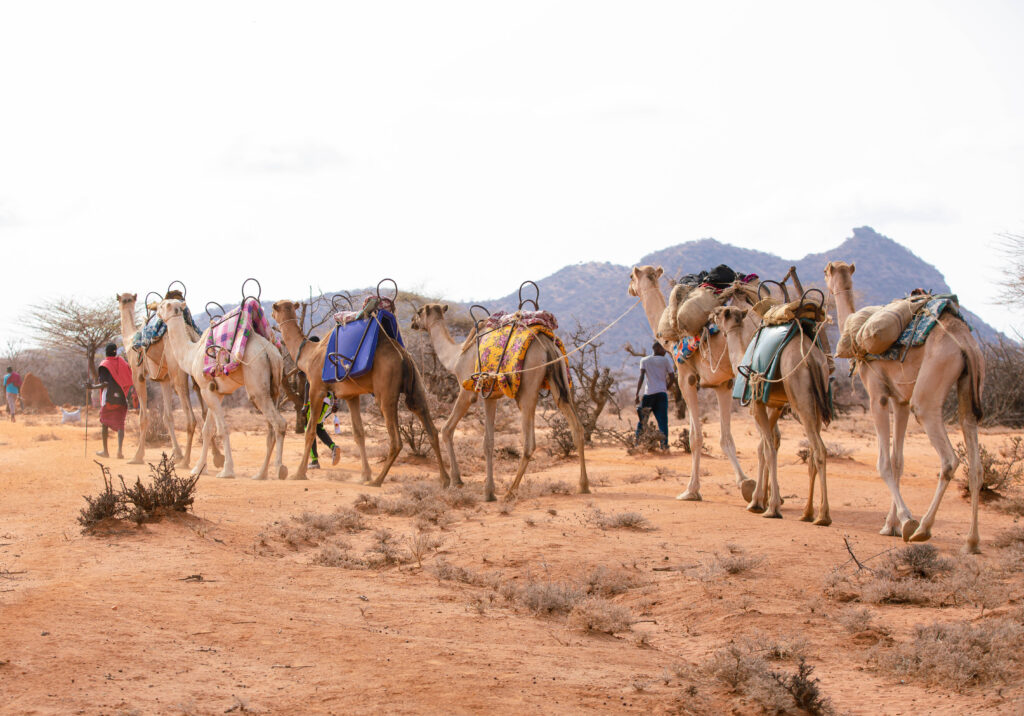
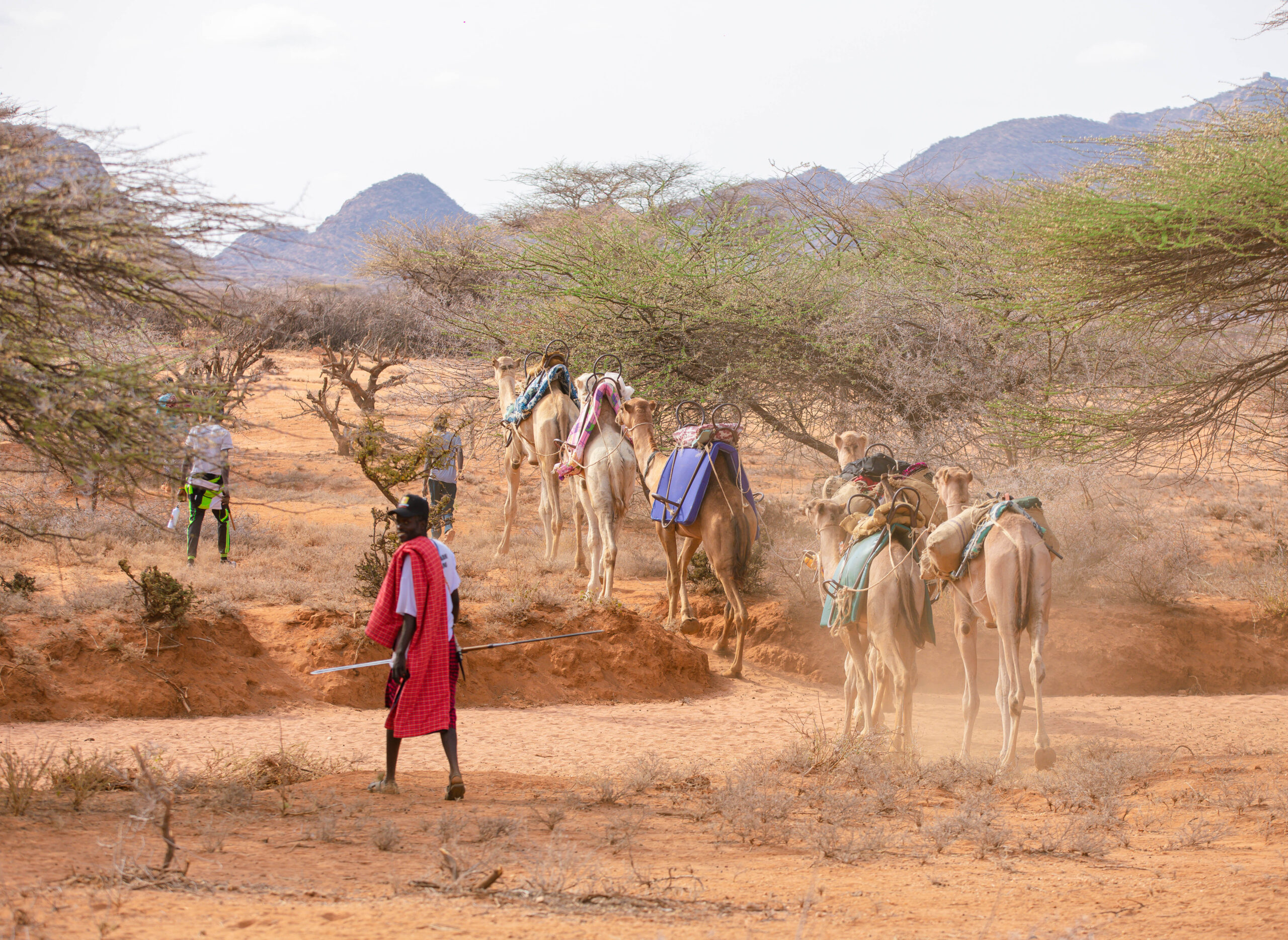
What do you picture when you hear the words, Camel Caravan?
Maybe you imagine a line of camels moving through Northern Kenya, a vibrant cultural procession, or a celebration of pastoralist traditions.
You wouldn’t be wrong. But you wouldn’t have the full story either.
The Ewaso Ng’iro River Camel Caravan is not defined by the camels that lead the journey. It is defined by the stories carried along the way.
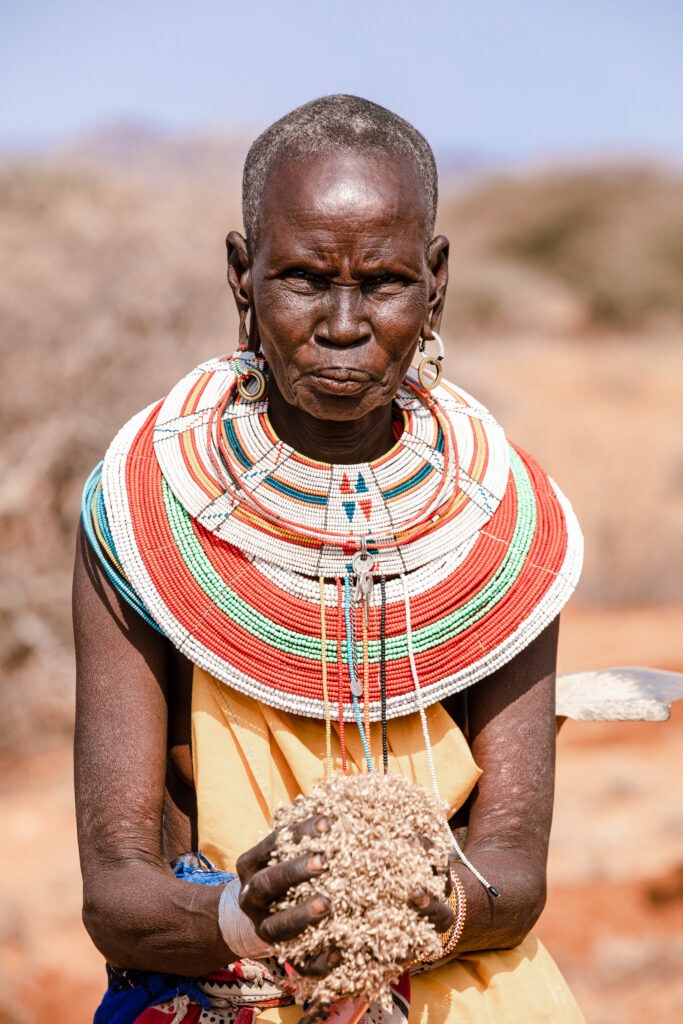
There is an elder who remembers when the river flowed longer, when the grass returned with the rains, and when grazing routes looked different. He doesn’t need satellite images to tell him the land is changing.
He has spent a lifetime reading it.
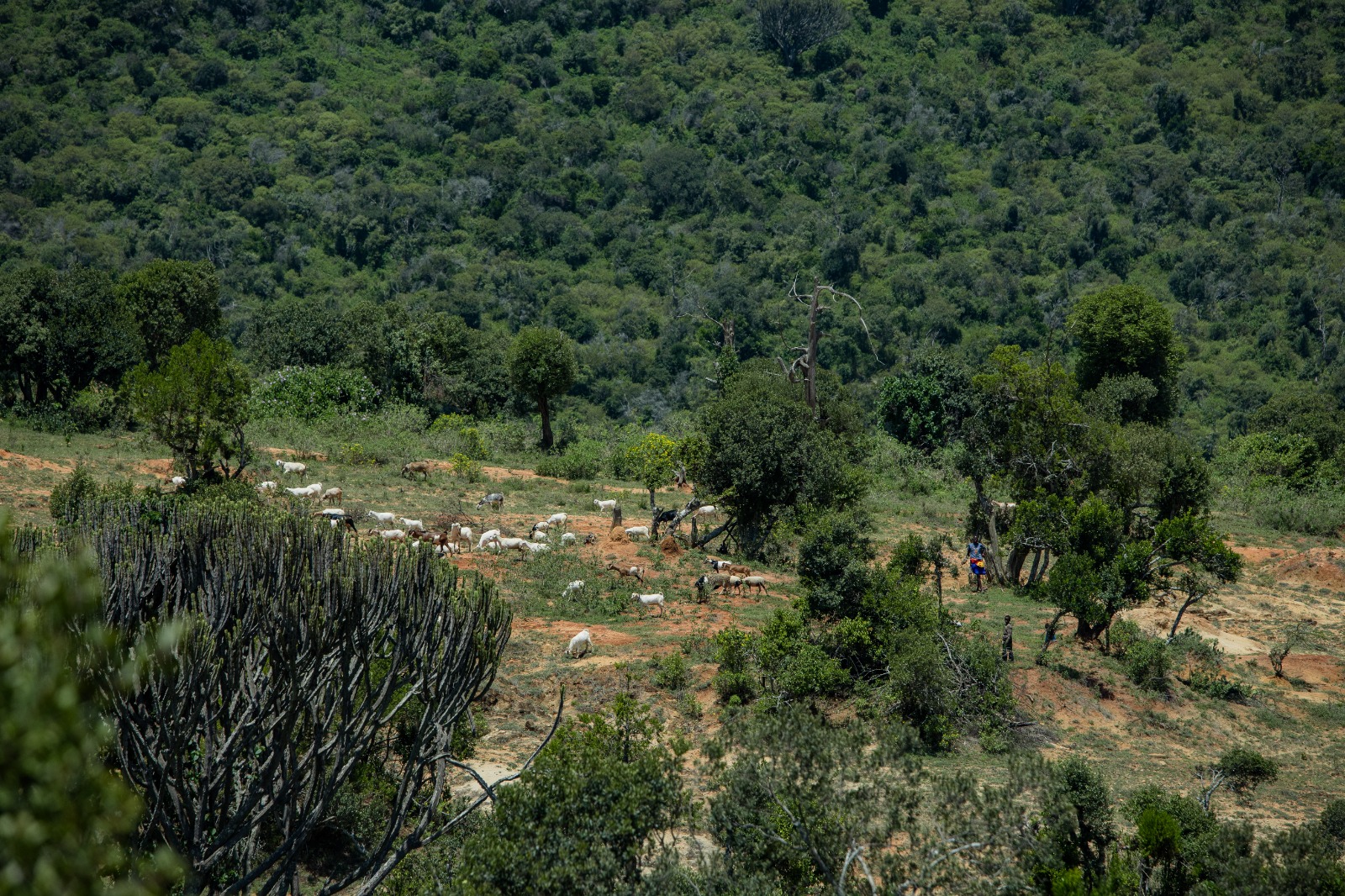
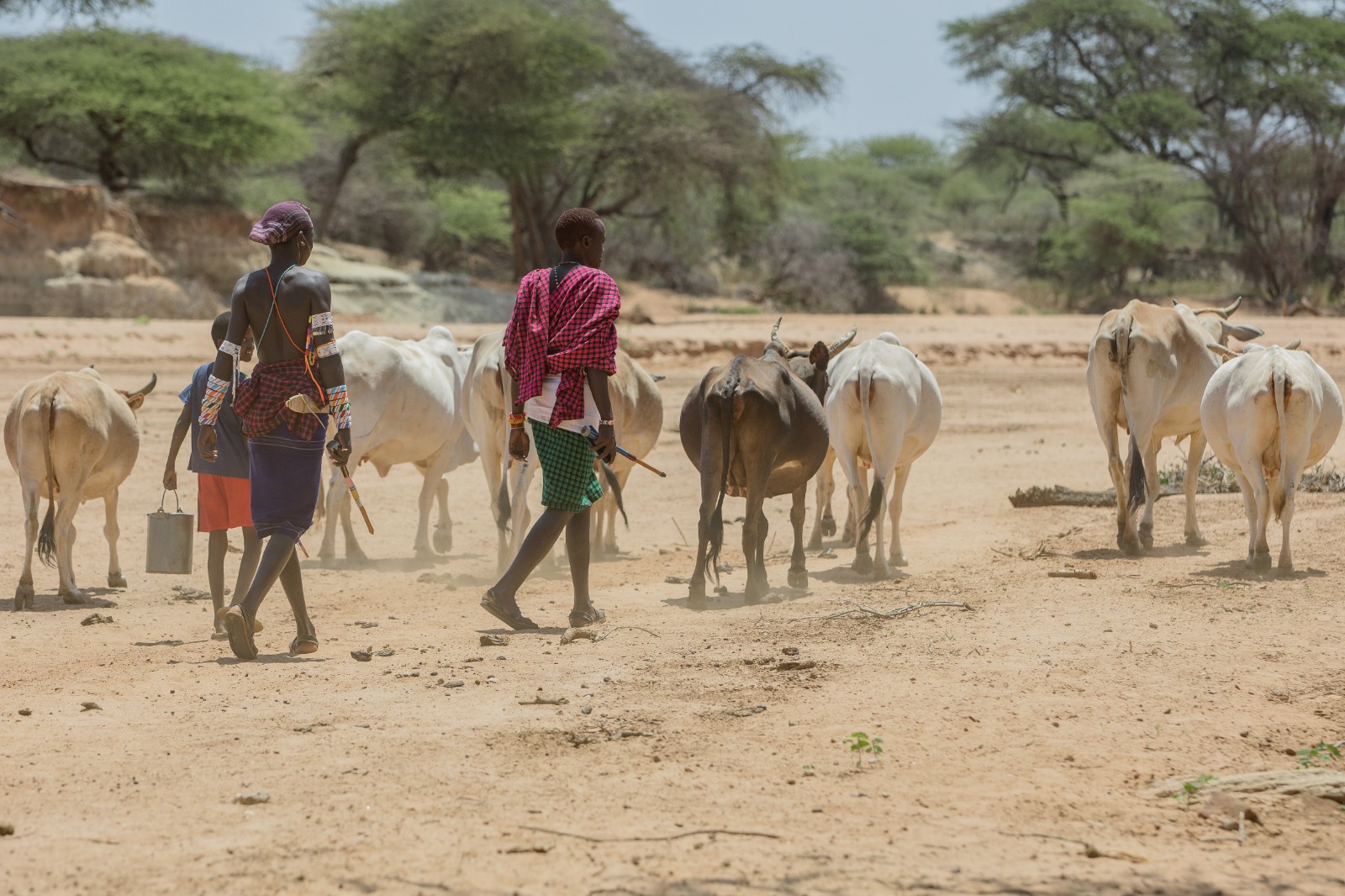
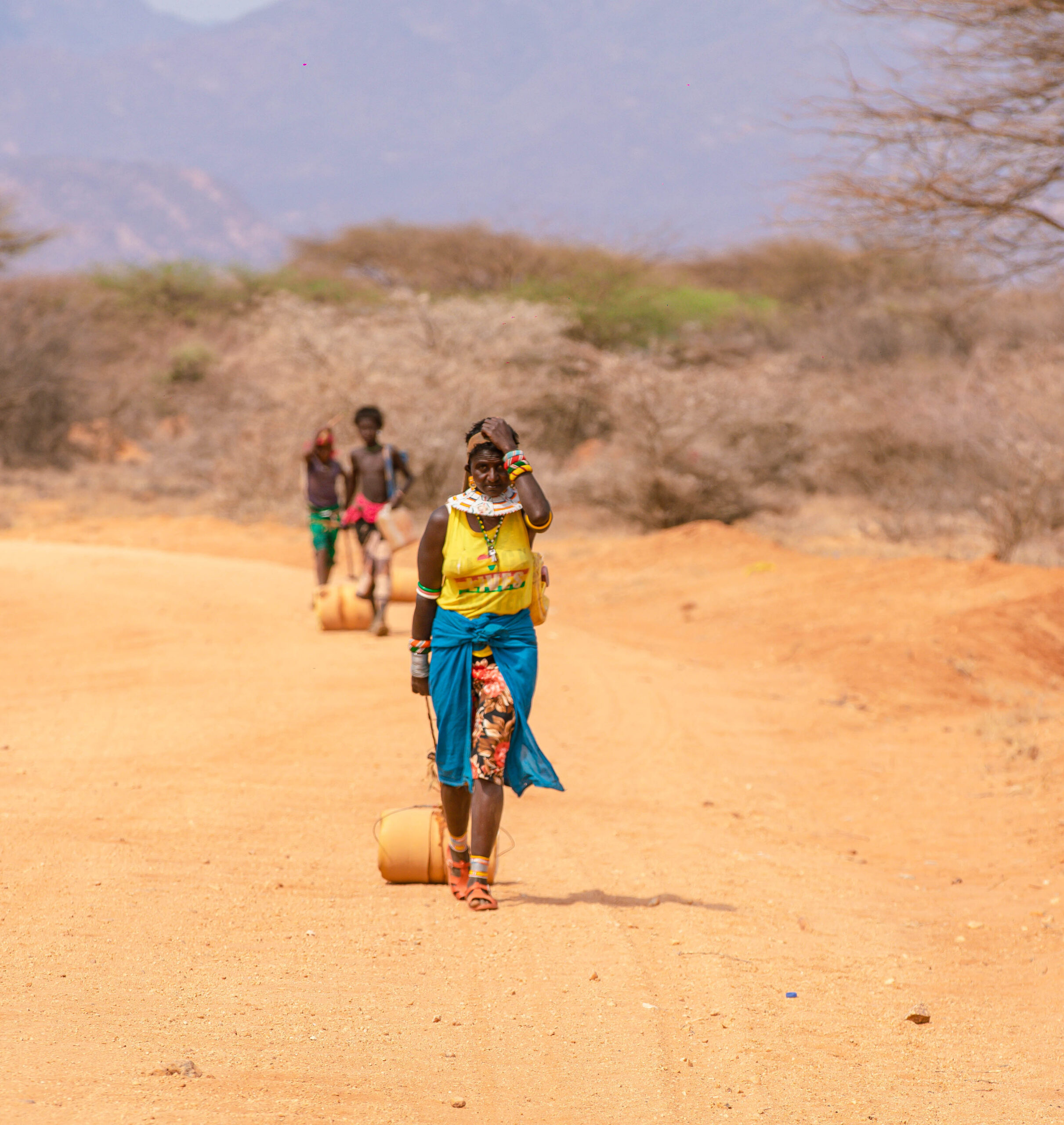
A young herder now walks farther in search of pasture than his father once did. A mother leaves home before sunrise because the nearest reliable water source is no longer where it once was.
These are not statistics. They are real life. And they are the stories that the Ewaso Ng’iro River Camel Caravan tells.
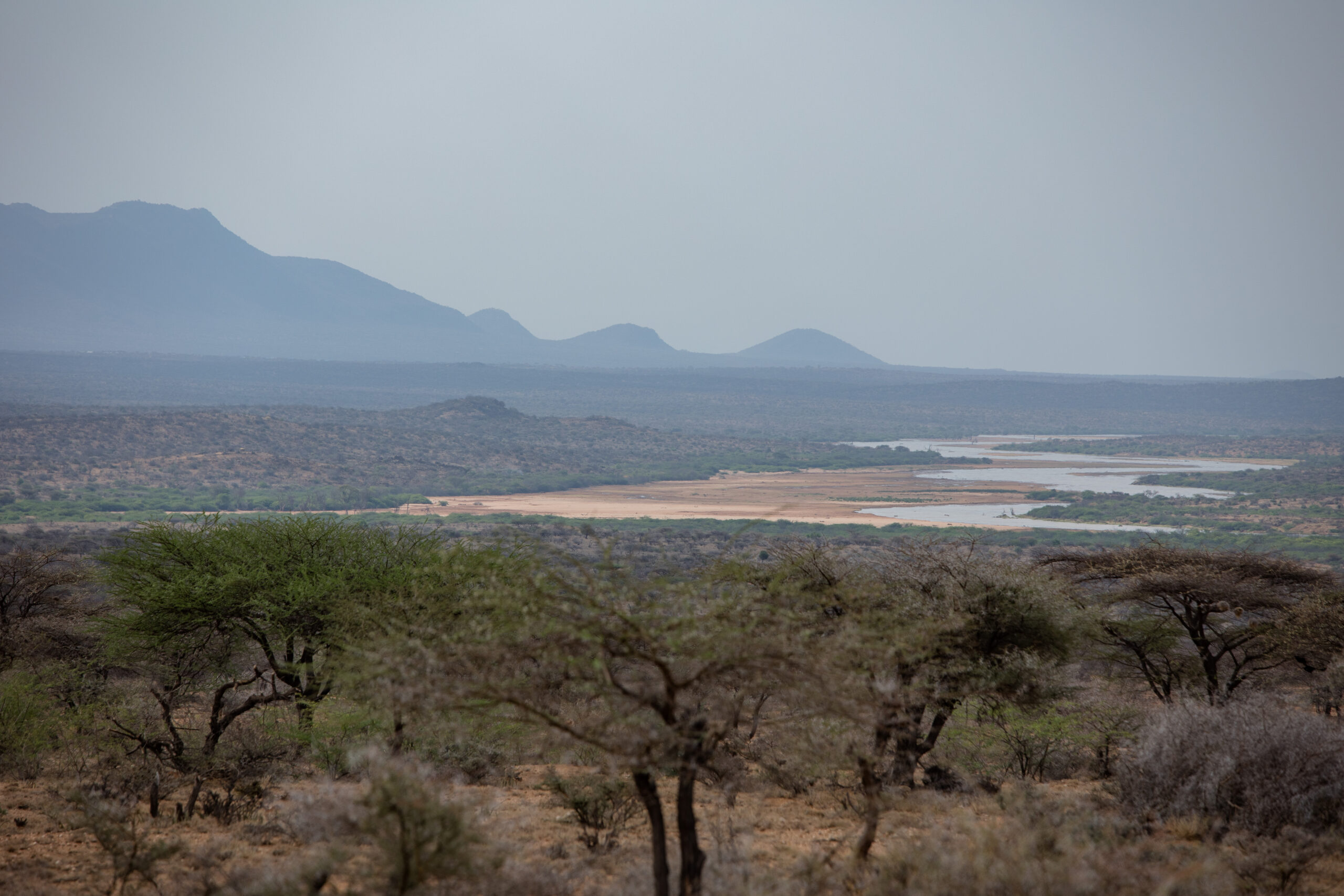
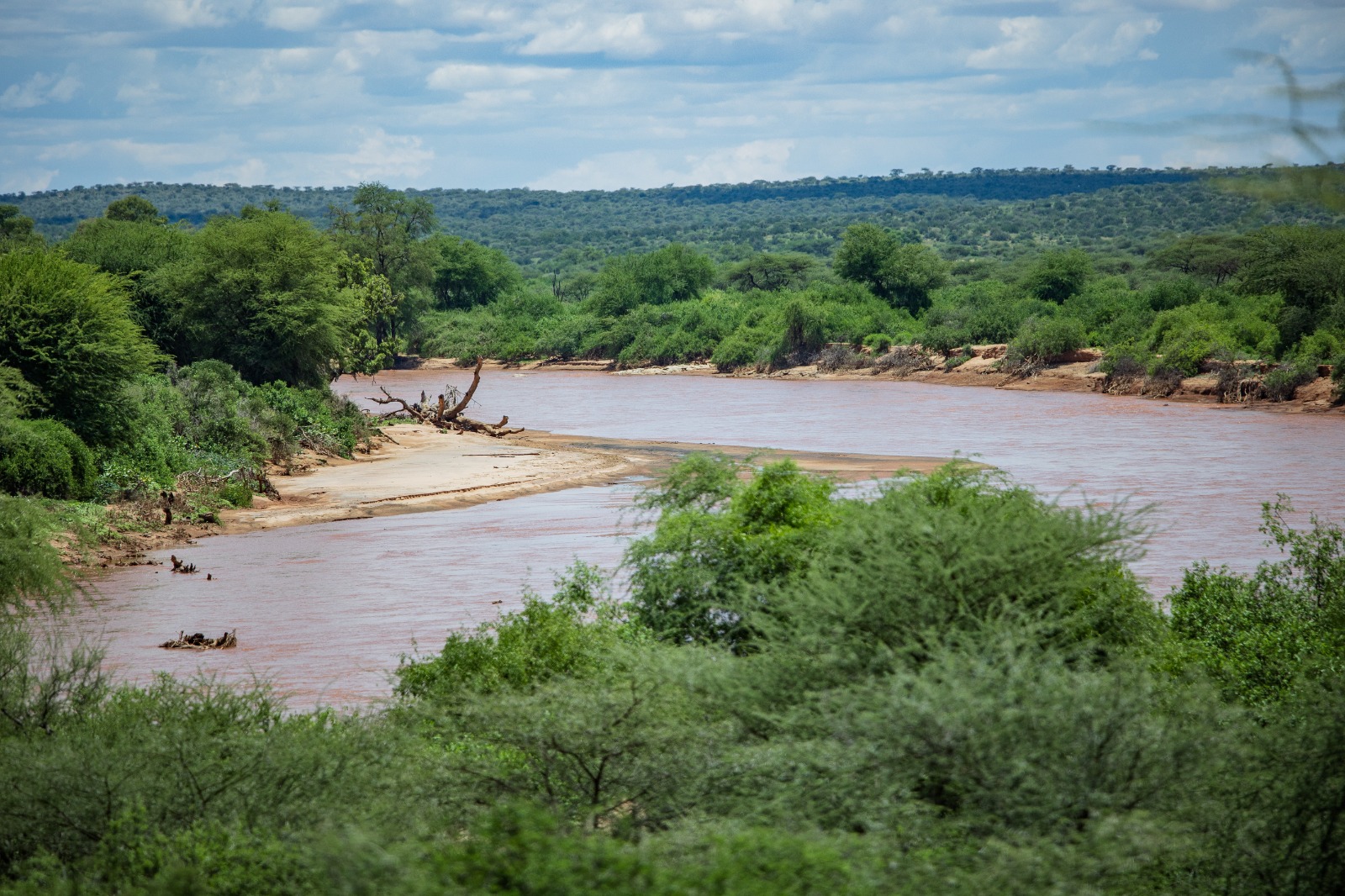
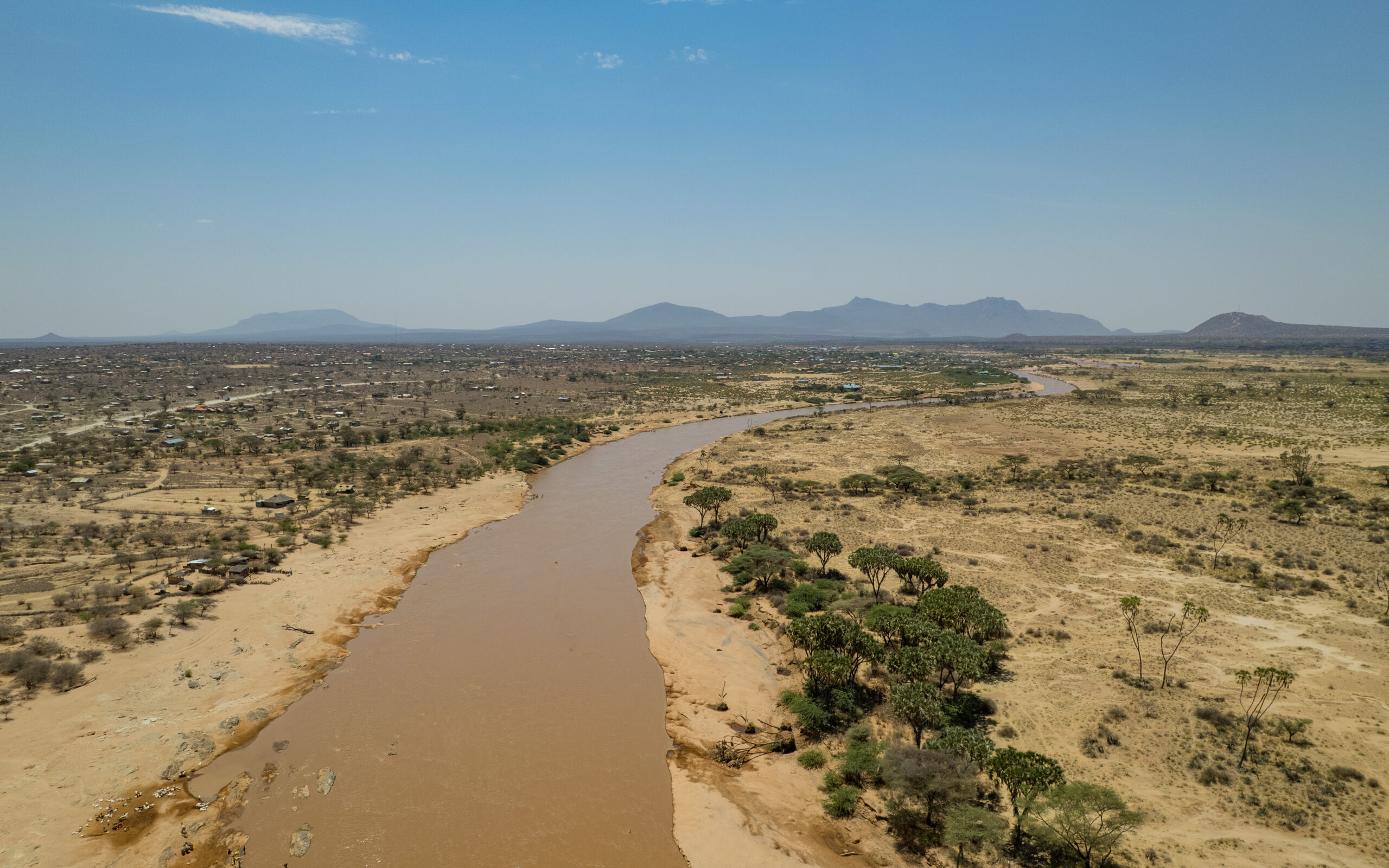
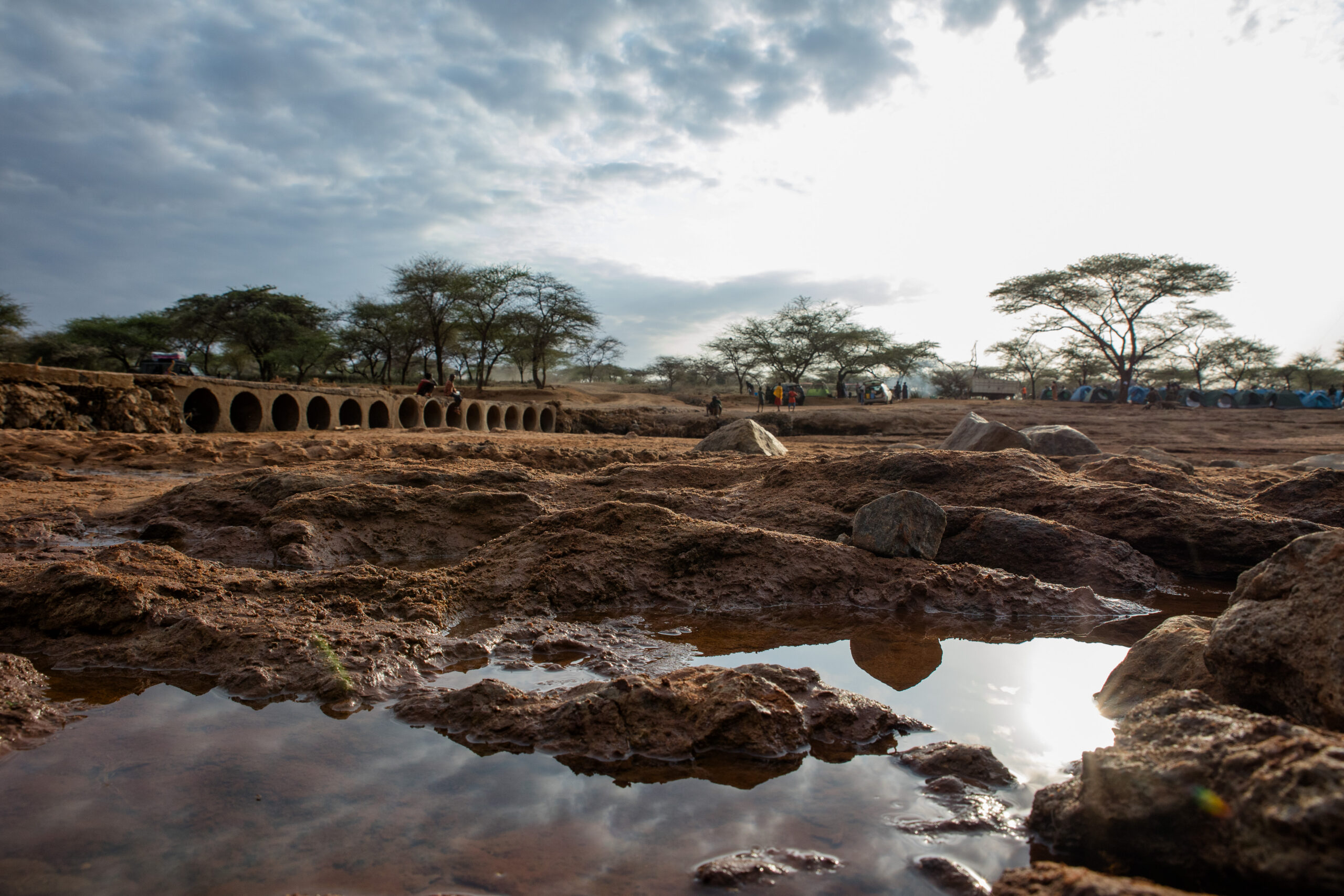
The river is a thread that supports people, livestock, and wildlife equally—the thread that runs through communities across the basin. But when its waters recede, the problems spill far beyond its banks. Less water means longer journeys to find pasture, putting pressure on grazing land and sometimes creating competition for the resources communities need. So protecting the river is not just about nature conservation but about improving livelihoods, promoting peaceful coexistence, and ensuring a common future.
As the caravan follows the Ewaso Ng’iro River, it is also traveling another path: the path of the stories of the people whose lives are knitted into its waters.
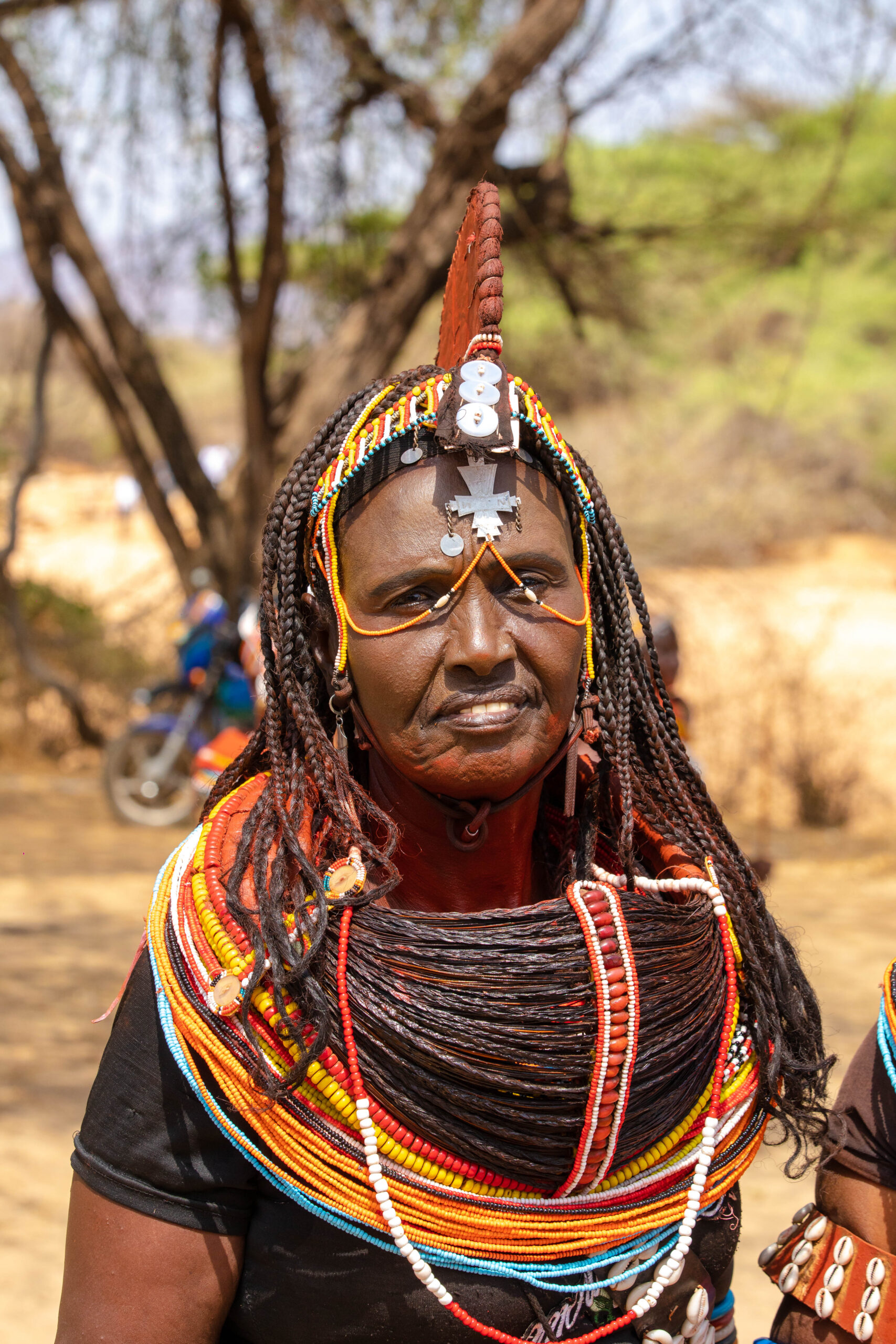
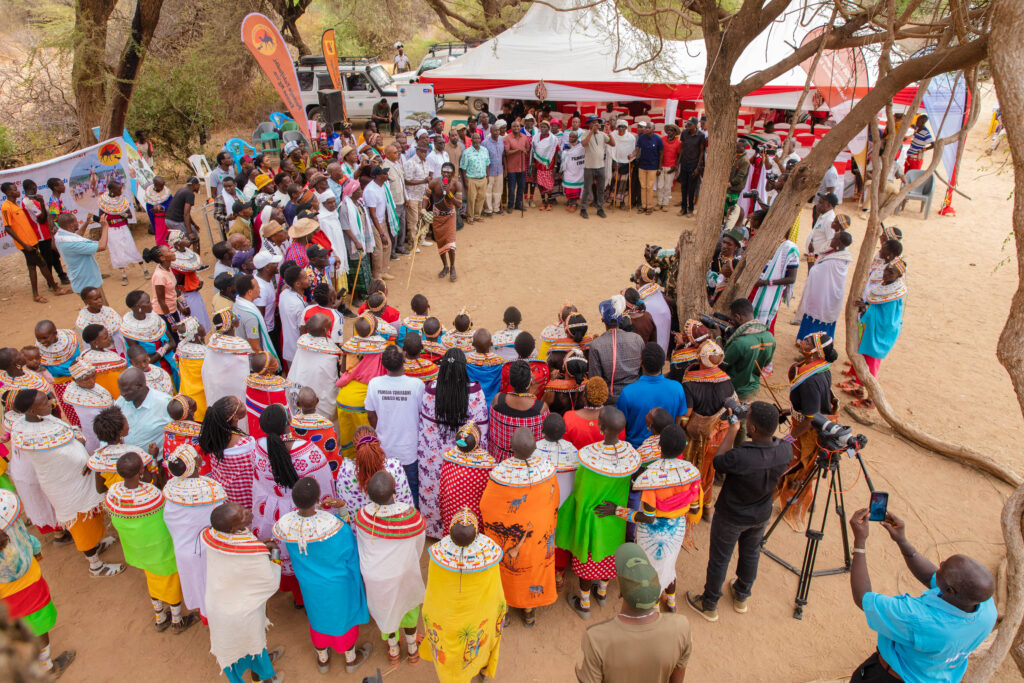
Every year, the Camel Caravan has brought together indigenous communities, elders, youth, women, governments, conservation partners, and agencies.
Every stop along the way sparks a conversation about the river’s future, the health of the rangelands, and the livelihoods that depend on both.
Communities share their lived experiences, policymakers listen, and partners unite around a shared responsibility to protect a river that has sustained people, livestock, and wildlife for generations.
While it may seem like a cultural event, the Camel Caravan is more than that; it is a platform for advocacy.
WHY YOU SHOULD LOOK FORWARD TO THIS YEARS'S CAMEL CARAVAN
The Camel Caravan gains even more relevance this year in being the world’s premier observance of the International Year of Rangelands and Pastoralists (IYRP 2026). As the global community focuses its attention on the importance of rangelands, the Ewaso Ng’iro Basin communities never fail to point out that healthy rivers, healthy rangelands, and healthy pastoralist communities go hand in hand.
At IMPACT Kenya, we see the Camel Caravan as more than an annual event. It is a space where communities lead the conversation about the landscapes they know best. Here, Indigenous knowledge is shared, partnerships are strengthened, and the voices of pastoralist communities help shape the future of the rangelands they have cared for for generations.
So, the next time you hear the phrase “Camel Caravan,” think beyond the animals. Think of the elder reading the land, the young herder heading out to find greener pastures, and the mother walking miles for clean water. These are the stories of the Camel Caravan ; and this year, we invite you to walk with us