Climate Change and Resilience: How Pastoralists Are adapting to Climate Shocks

Climate Change and Resilience: How Pastoralists Are adapting to Climate Shocks

Siaanoi Mali
Climate change is no longer just an environmental concern; it has become a psychological reality for pastoralists. The unpredictability of seasons, prolonged droughts, biodiversity loss, livestock losses, restricted mobility, and shifting grazing patterns are no longer occasional disruptions; they are part of everyday life. These pressures are shaping how pastoralists plan, adapt, and envision their future. At the same time, they are reinforcing the resilience of pastoralism, bringing to the forefront its strength as a dynamic and adaptive system in navigating an increasingly uncertain climate.
In 2022, the United Nations General Assembly declared 2026 as the International Year of Rangelands and Pastoralists (IYRP 2026), prompting a timely reflection: what does the future of pastoralism look like?
For decades, pastoralists have relied on their Indigenous knowledge systems to care for and protect their land. They steward vast rangelands across Africa, supporting millions of livelihoods. Pastoralists are not victims of climate change; they are solution-holders and key actors in rangeland stewardship, biodiversity conservation, and the advancement of resilient economies. They continue to manage rangelands through sustainable grazing, strategic mobility, and seasonal land-use planning. These efforts are supported by community-led weather forecasting and conservation practices, all rooted in traditional knowledge systems.
Pastoralist communities are devising ways of integrating their indigenous systems with the evolving world of modern sciences. One of the ways is through developing their own Bio-Cultural Protocols (BCPs) to document their Indigenous knowledge, customary rights, and stewardship of natural resources. These protocols enable the integration of Indigenous knowledge, cultural traditions, and spirituality into land management plans, policy influence, and intergenerational learning. They also support communities in responding to changing climatic conditions while sustainably managing their lands. Grounded in lived experience, BCPs ensure that pastoralists guide how they govern and manage their land.
In Northern Kenya, IMPACT Kenya, through projects such as the Inclusive Conservation Initiative (ICI), (https://impactkenya.org/community-knowledge-products/) supports communities in strengthening local stewardship and land management systems. This includes facilitating the development of BCPs and recognising customary governance institutions.
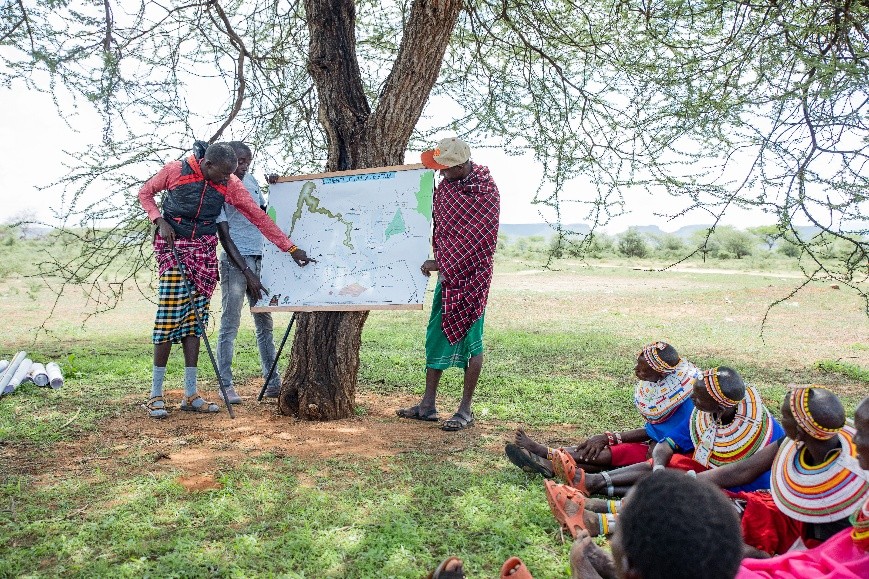
Building on this, communities are also developing Bio-Cultural Maps (BCMs) to define their territorial coverage and strengthen their climate resilience. Through these maps, they identify and document key resources such as grazing areas, migratory routes, wildlife corridors, water sources, and settlement areas. This helps them reduce conflicts over shared resources, particularly during periods of climate-induced scarcity. Their BCMs also support active ecosystem restoration efforts rooted in Indigenous knowledge developed over time.
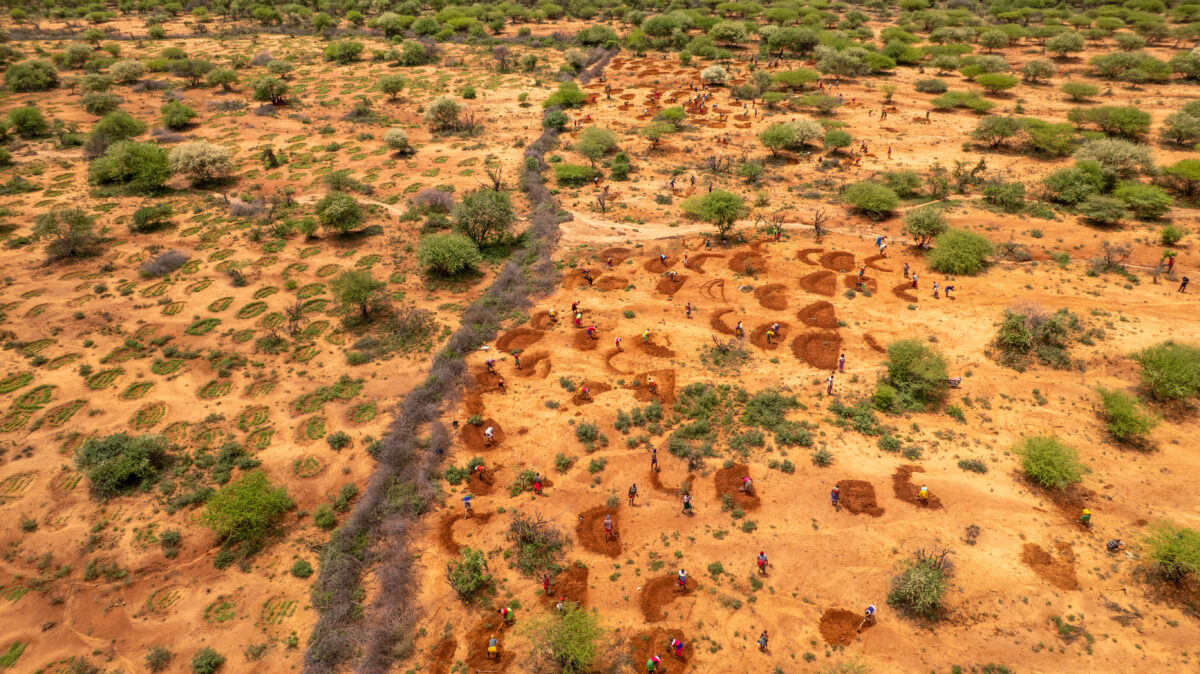
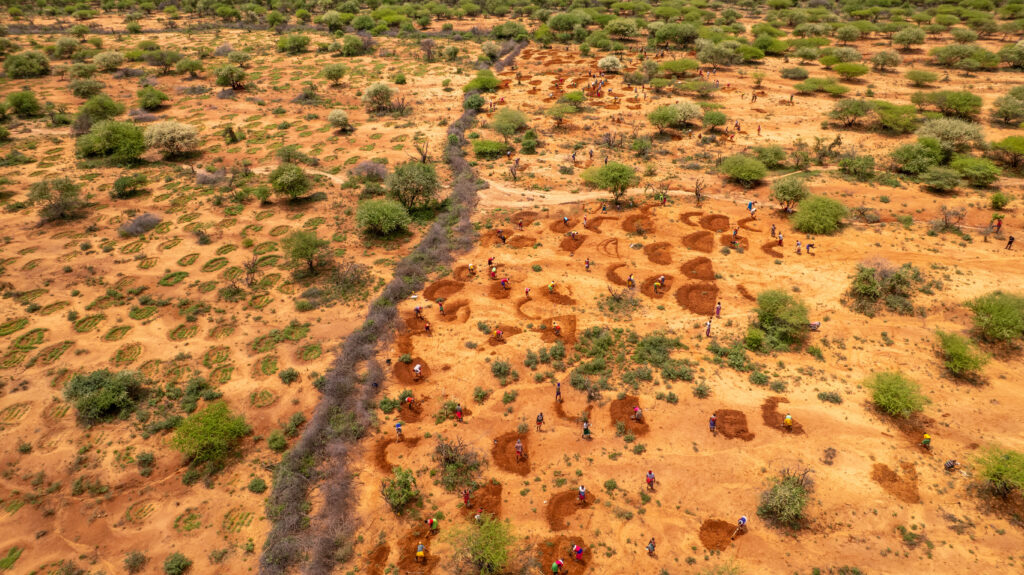
For instance, communities are leading initiatives that aim to restore degraded lands by managing the number of livestock to be grazed, the period of leaving land undisturbed to recover, and determining the level of pasture to be left on the land after grazing.
Others have gone a notch higher by planting indigenous trees and perennial grasses that are resilient to drought, ensuring the soil remains productive and biodiversity is preserved. Furthermore, these maps show trends within the landscape and also serve as early warning systems, enabling communities to better plan for sustainable management practices during seasonal changes.
Amid these shifting realities, a critical question emerges: how are pastoralists navigating these complexities and building resilience?
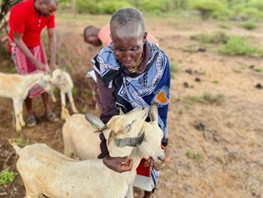
Across rangelands, resilience is taking on new forms. Pastoral communities are diversifying their livelihoods in practical and forward-looking ways, from adding value to livestock products and rearing adaptive breeds such as the Galla goat, to engaging in aloe vera farming, agroecology, beekeeping, and Village Savings and Loan Associations (VSLAs).
At the same time, pastoralists are exploring complementary income opportunities that support environmentally sustainable enterprises, reinforcing pastoralism as a viable and resilient livelihood system. The RASILIMALI Sacco (https://rasilimalisacco.org/) an initiative of IMPACT, supports the economic self-determination of pastoralists in Northern Kenya, an extension of a system that has always adapted. This self-determination is further reflected in Locally-Led Adaptation (LLA), where communities identify priorities, design projects, and take ownership of initiatives that strengthen resilience and build practical, hands-on capacity for the future.
Pastoralist communities in Northern Kenya, such as the Borana, Samburu, Maasai, and Rendille, have long relied on customary natural resource governance institutions, such as the Dheedha (Borana), Naapo (Samburu & Rendille), and Oloip (Maasai), led by traditionally elected elders who enforce community bylaws to regulate access to rangelands. These systems designate wet- and dry-season grazing areas, drought reserves, and rules of herd mobility, enabling structured pasture use and water access while fostering dialogue with neighbouring groups and mitigating the risks of drought and resource-based conflicts in the face of changing climatic conditions.
As the world looks toward the International Year of Rangelands and Pastoralists 2026, one thing is clear: pastoralism is not a system in decline, but one that continues to evolve. Supporting pastoralist communities means recognising their knowledge systems, strengthening their institutions, and investing in solutions that are already working on the ground.