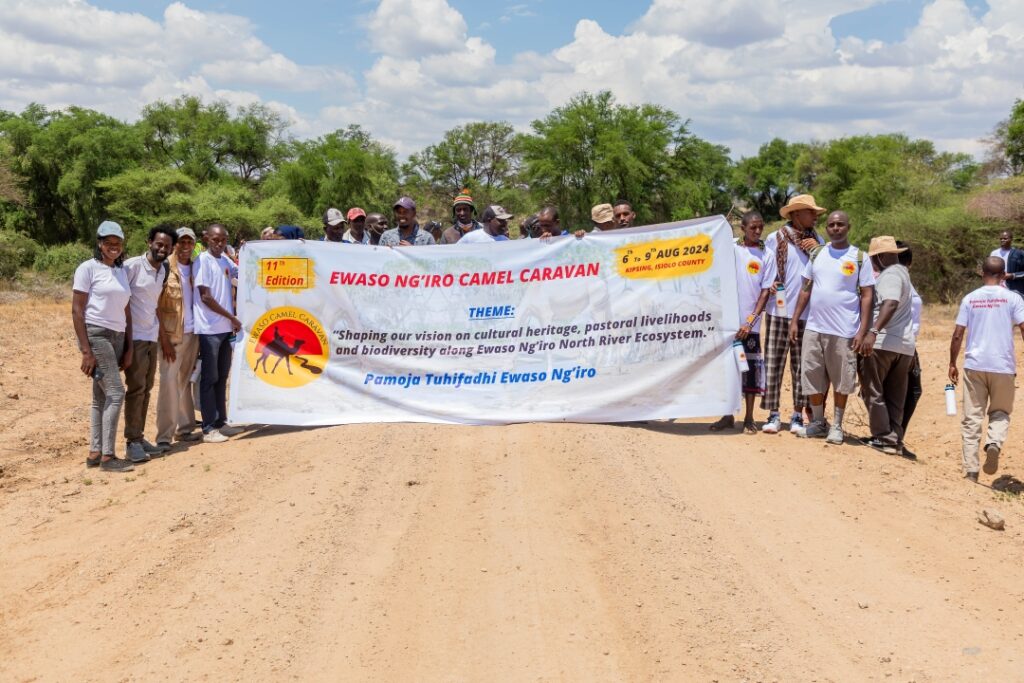
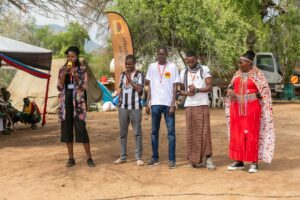
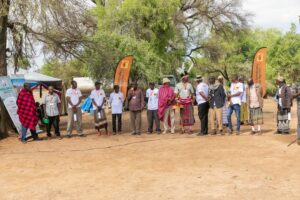
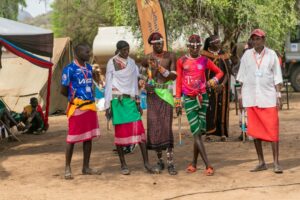
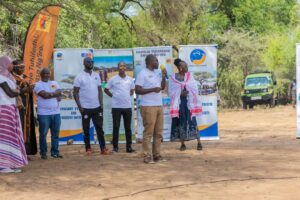
Dates: August 6th – 9th, 2024
Location: Kipsing, Isiolo County
Theme: “Shaping our vision on cultural heritage, pastoral livelihoods, and biodiversity along the Ewaso Nyiro North River Ecosystem.”
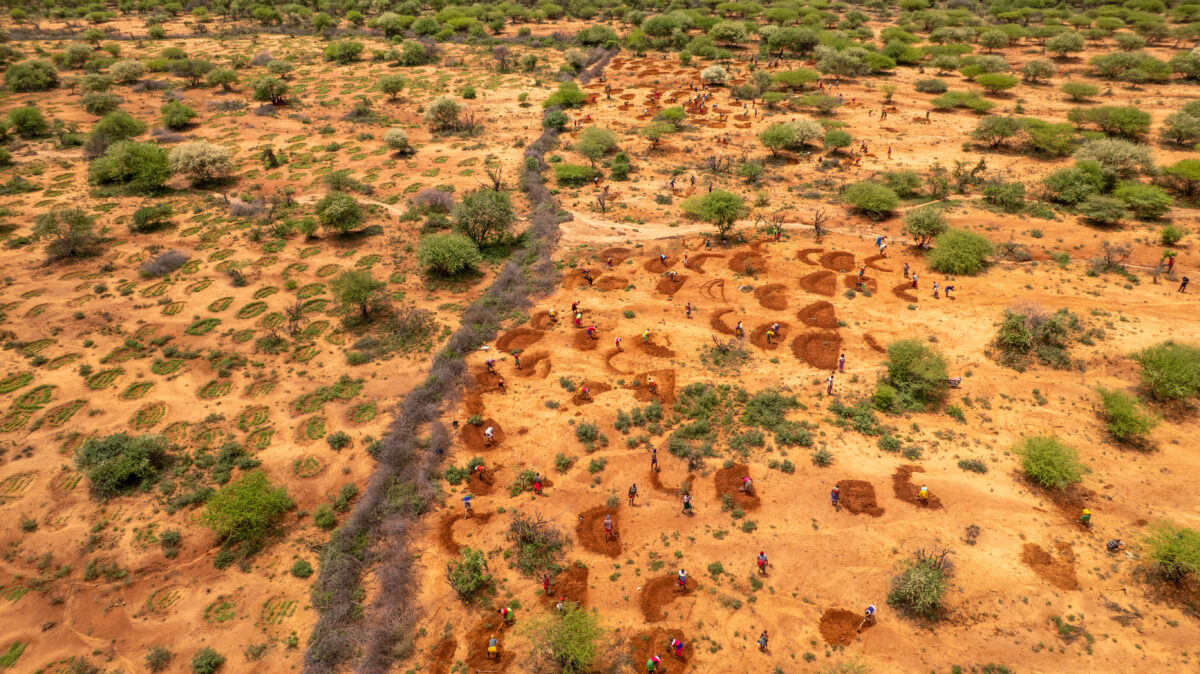
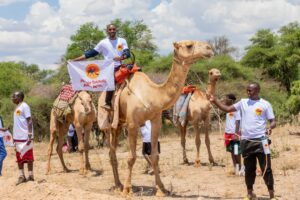
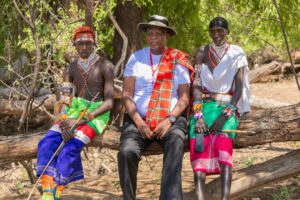
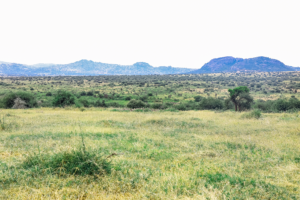
As the sun rises over the vast landscapes of Northern Kenya, a transformative journey is set to unfold. The Ewaso Nyiro Camel Caravan, a unique and iconic event, returns this year with a powerful mission: to unite communities, celebrate our rich cultural heritage, and forge a path toward sustainable management of the Ewaso Nyiro North River Ecosystem.
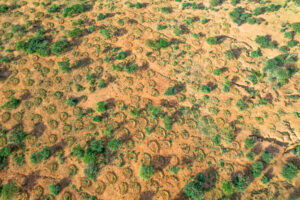
Since its inception in 2013, the Camel Caravan has been more than just a symbolic trek. It’s a movement that brings together diverse communities, government agencies, conservationists, and stakeholders to address the pressing challenges facing this vital ecosystem. From water scarcity to biodiversity loss, the Ewaso Nyiro Basin, a lifeline for millions, is under threat. But through collective action, we believe we can safeguard its future.
Why This Year’s Caravan Matters
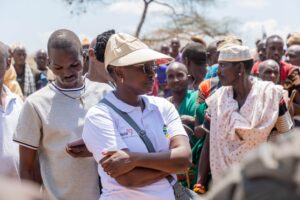
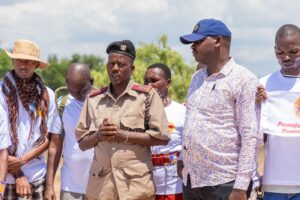
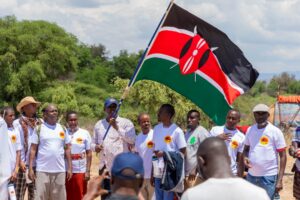
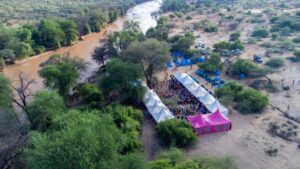
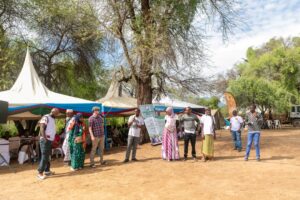
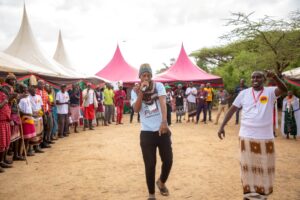
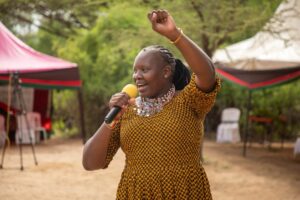
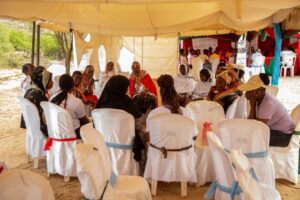
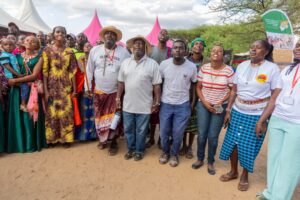
This year’s event is particularly special as we move away from the traditional daily caravan walk to a more symbolic walk on the first day only. This gives more time for reflections on what went well over the past years and gives more time for expressions on what a healthy Ewaso Ngiro ecosystem looks like, and further charter a clear roadmap/call to action of the best ways to tackle the challenges facing the ecosystem. Over the course of four days, participants from at least ten ethnic communities across the basin will come together in Kipsing, Isiolo County, to engage in meaningful dialogue, celebrate cultural diversity, and craft a shared vision for the future of the Ewaso Nyiro ecosystem.
Each day of the Caravan is packed with activities designed to inspire and empower:
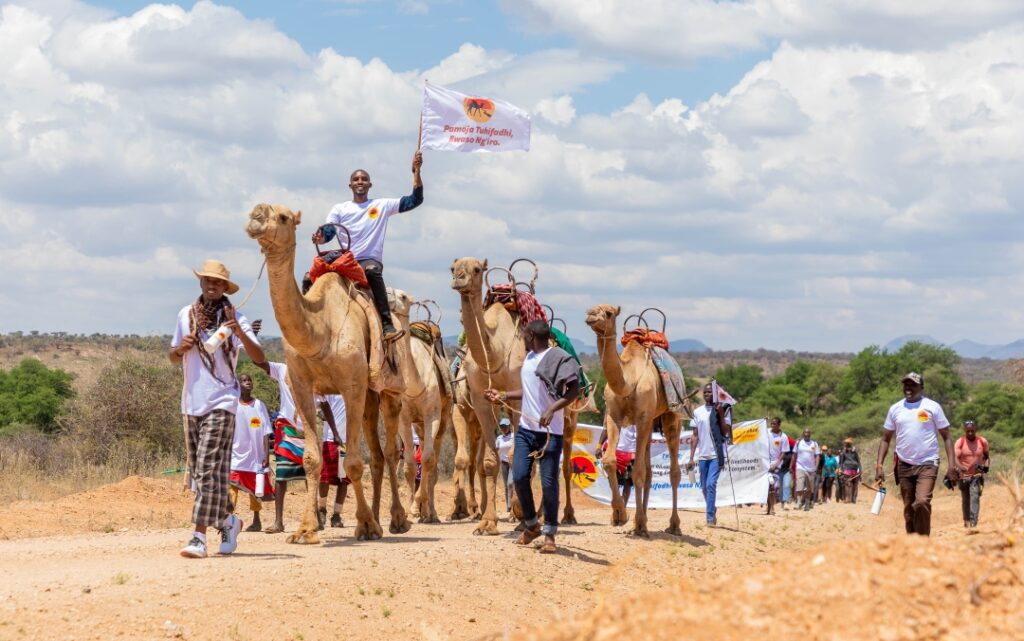
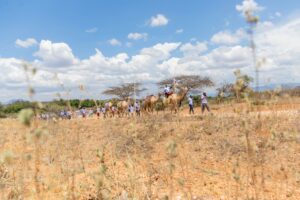
- Day 1: The journey begins as participants travel to the event location, where the caravan’s symbolic camel walk highlights resilience and unity among communities.
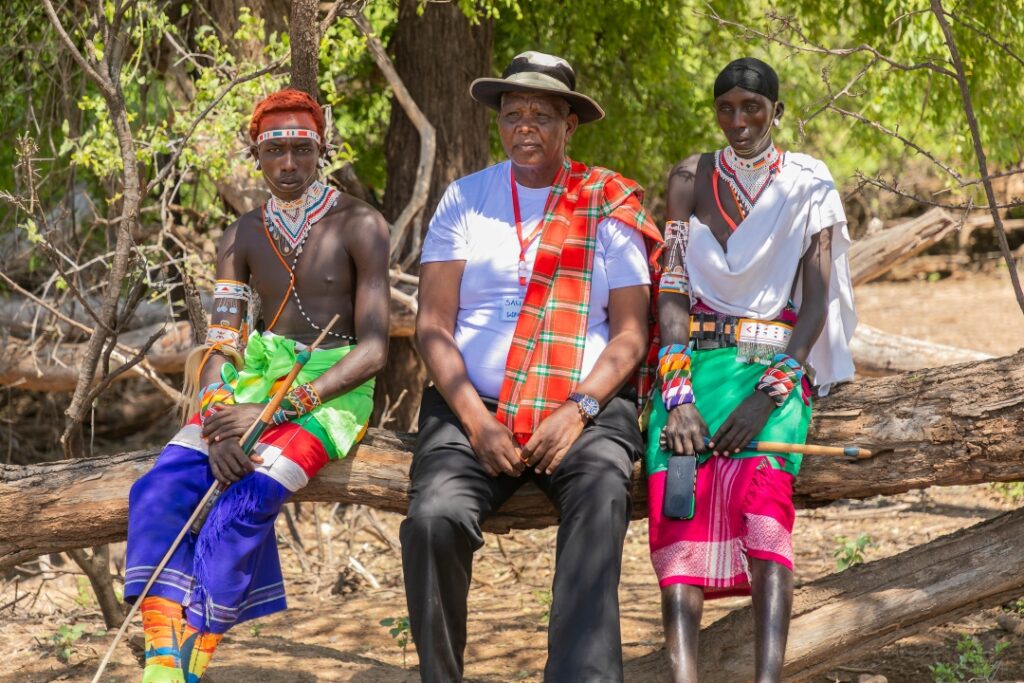
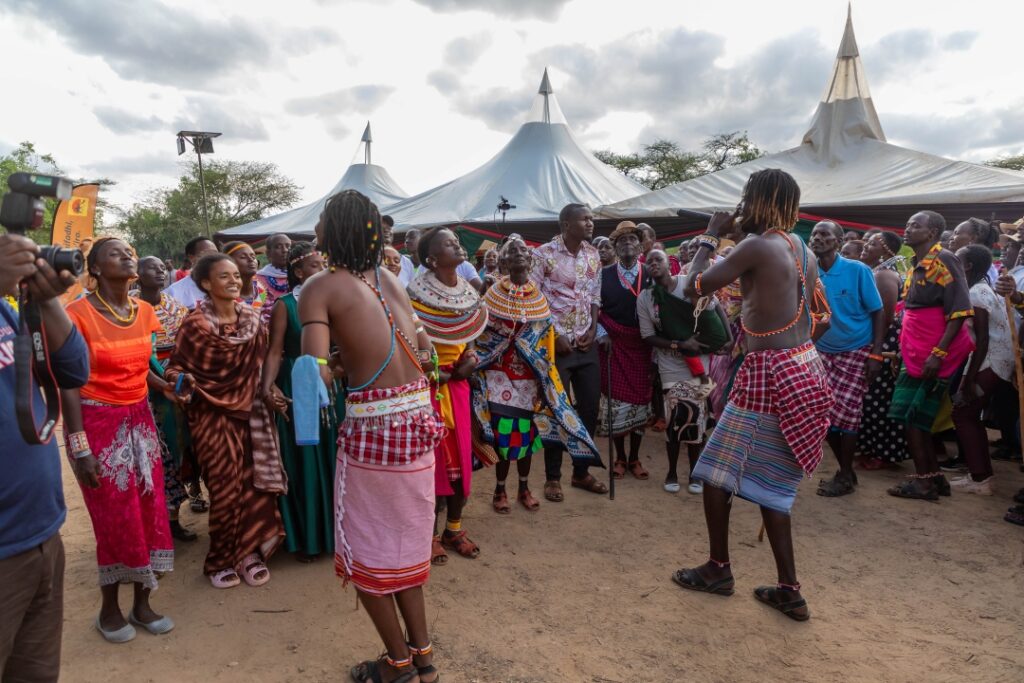
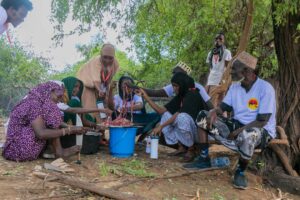
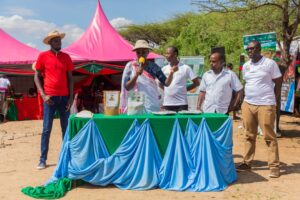
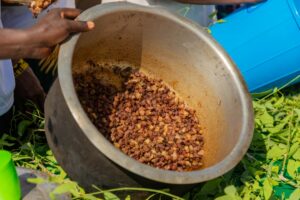
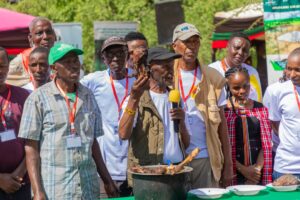
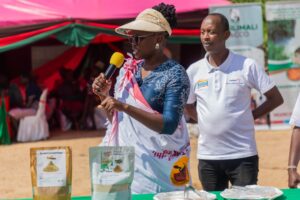
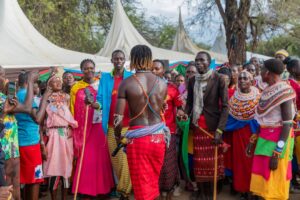
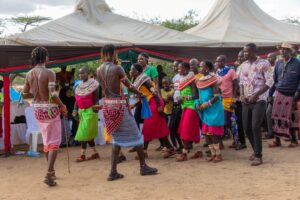
- Day 2: A vibrant Food Festival, Art, and Culture Day will showcase indigenous food systems, traditional arts, and the rich cultural heritage of the region, fostering mutual appreciation and knowledge sharing.
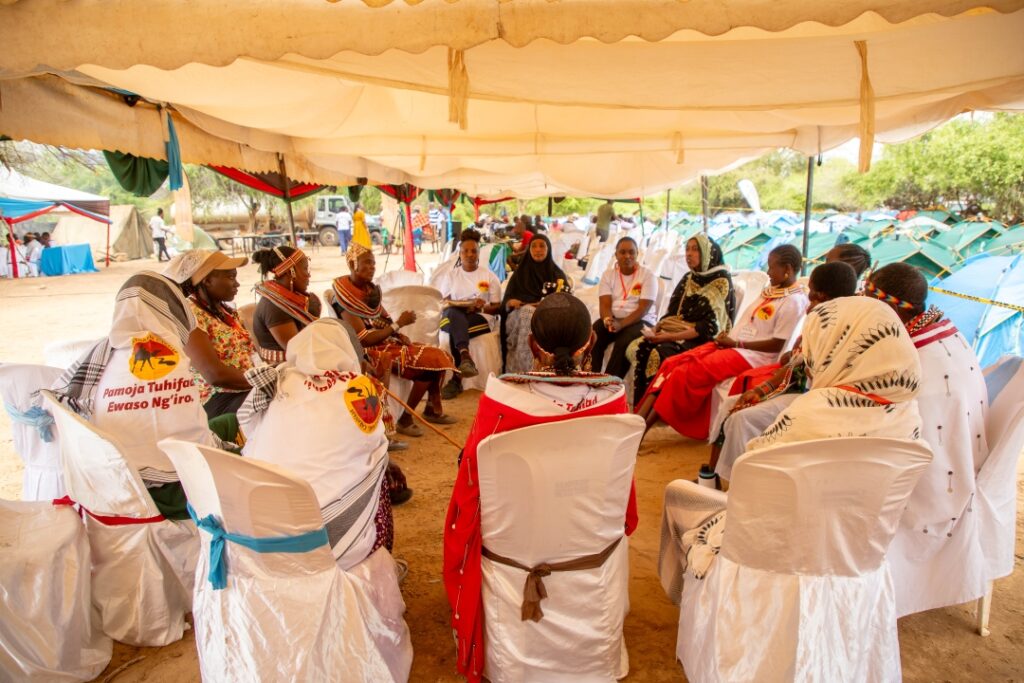
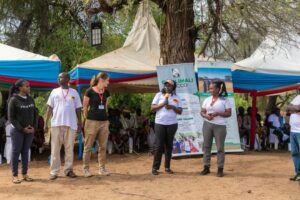
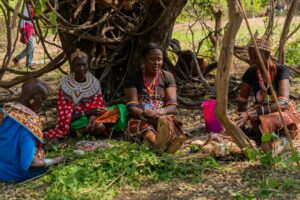
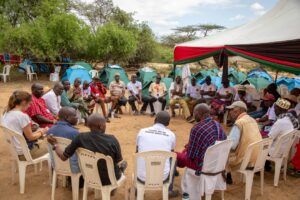
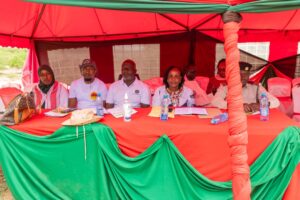
- Day 3: Community Dialogue Sessions will bring together different social groups—morans, elders, women, and men—to discuss shared experiences, challenges, and aspirations, all aimed at shaping a collective vision for the ecosystem.
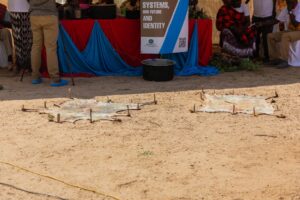
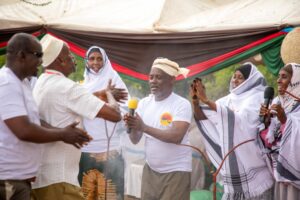
- Day 4: The grand finale will mark the celebration of the International Day of Indigenous Peoples. A Call to Action will be presented to key stakeholders, including communities, the government, the private sector, and conservation organizations, urging them to commit to sustainable practices and equitable resource sharing.
Join Us in Shaping the Future
The Ewaso Nyiro Camel Caravan is more than an event; it’s a call to action. By aligning with international frameworks like the Sustainable Development Goals (SDGs), the UN Decade on Ecosystem Restoration, and Kenya Vision 2030, we are committed to fostering a resilient and inclusive future for the communities and ecosystems that depend on the Ewaso Nyiro River.
As we count down the days to this year’s Caravan, we invite you to be part of this transformative journey. Whether you’re a community member, a conservationist, or a supporter of sustainable development, your participation and support are crucial.
Together, we can ensure that the Ewaso Nyiro North River continues to be a source of life, culture, and resilience for generations to come.
Stay Connected
Follow our updates on social media, and don’t miss the latest news and stories from the Caravan. Together, we’re stronger—together, we can make a difference.
#CamelCaravan2024 #EwasoNyiro #IndigenousPeoplesDay #SustainableFuture #CollectiveAction