Beyond 33Kilometres: Stories from the 14th Ewaso Ng’iro Camel Caravan
Lucy Lemaikai
on
26 August, 2026
Beyond 33Kilometres: Stories from the 14th Ewaso Ng’iro Camel Caravan
Some journeys are measured in kilometers. Others are measured in conversations, friendships, lessons learned, and the things you carry home with you.
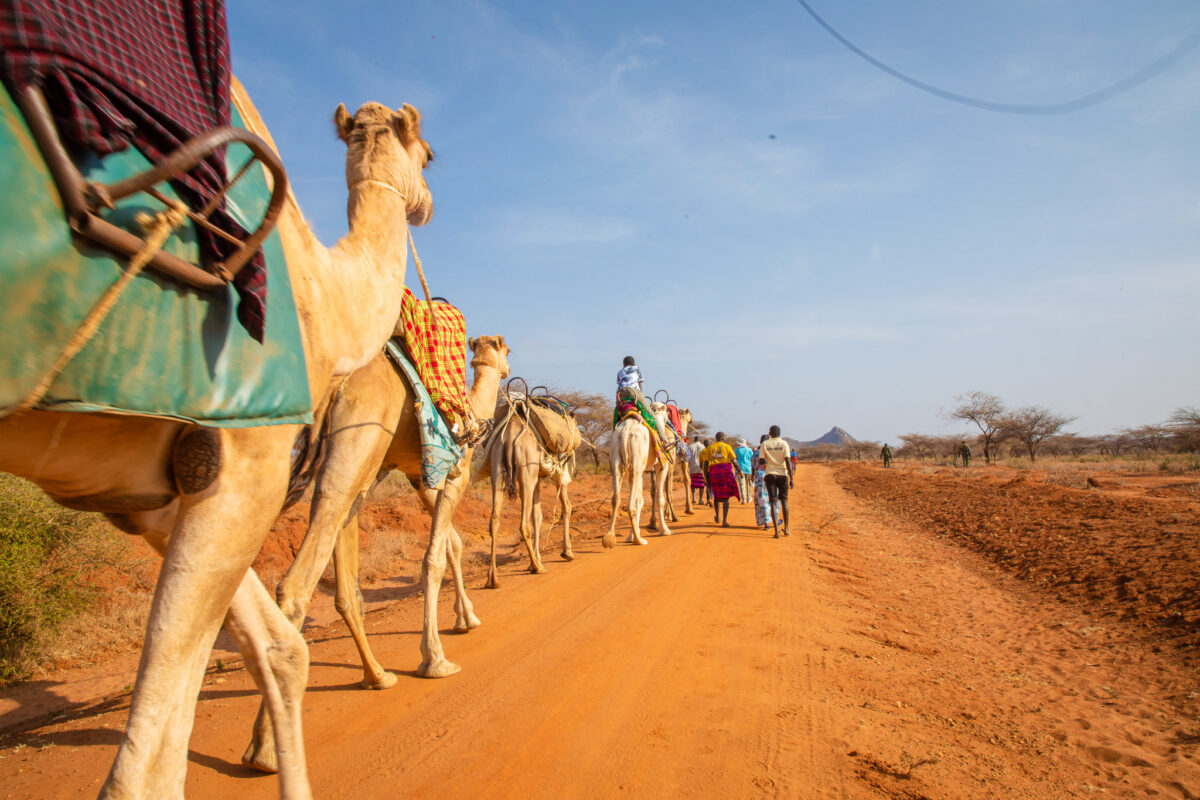
There is something humbling about walking alongside camels.
At first, the excitement is easy to understand. The landscape stretches ahead, the camels are moving, people are laughing, cameras are out, and you are thinking, “This is going to be amazing.”
Then someone tells you, “14 kilometers today.” You think, 14? Easy enough. Until kilometer 8.
Then your feet begin asking questions your mind does not want to answer.
The journey
On 6 August, participants walked 14 km from Nkutuk Elmuget to Lpus Livestock Market, followed by another 19 km from Lpus to Nkaroni Girls Secondary School the next day.
33 kilometers in total.
For first-time participant Edwin Tobiko Lenangetai, the first day was tough.
“The body demanded hydration with every step.”
But the second day felt different. The first day’s challenge had prepared him physically and mentally. He completed the 19 kilometers—and discovered that sometimes you only know what you are capable of after taking the first step.
The walking also became a platform to advocate for the protection of the Ewaso Ng’iro River, peaceful coexistence, and responsible management of shared resources and pastoral livelihoods.
More than a walk
At the end of the day, the journey did not stop.
There were camping nights under the open sky, conversations around the camp, and the simple experience of spending time together away from the usual routines. These moments created space for people from different communities and backgrounds to connect, share stories, and learn from one another.
The Caravan brought different cultures into the same space. The Indigenous Food Festival was one of those moments—communities shared traditional foods, explained their preparation, and spoke about the knowledge and cultural practices connected to what they eat.
There were also conversations that required more than celebration.
Through public participation on historical land injustices, communities shared experiences and engaged on land, rights, and justice. Peace and rangeland management dialogues created space to discuss shared resources, peaceful coexistence, and the role communities can play in managing their rangelands.
And there was action on the ground.
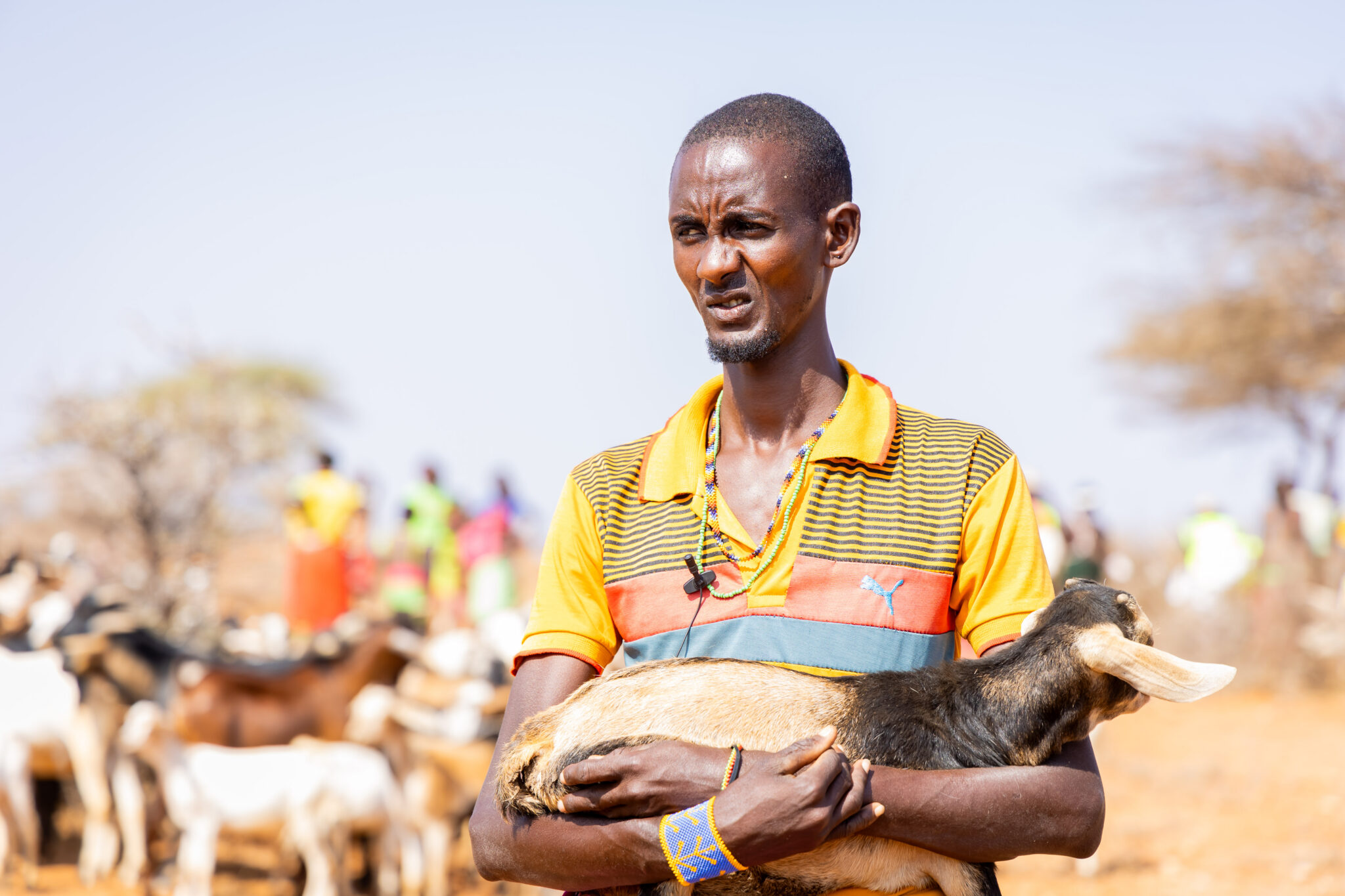
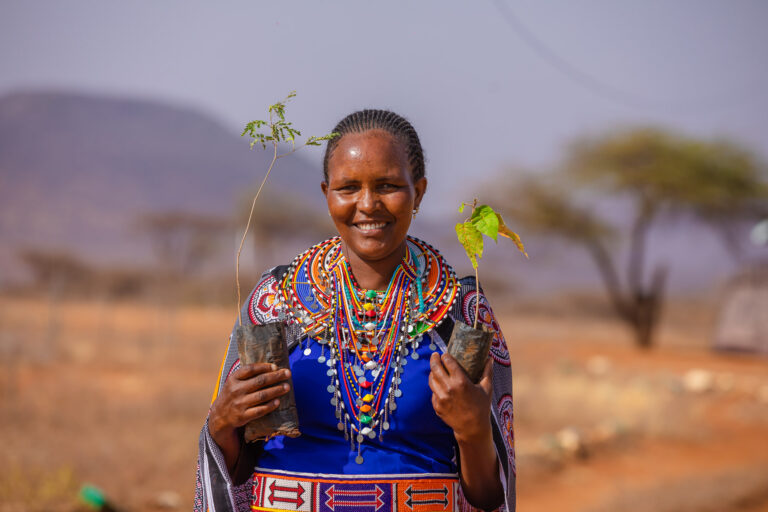
680 trees were planted at Nkaroni Girls Secondary School, while 42,014 sheep and goats were vaccinated against PPR and S&G. Strong community mobilization and active veterinary engagement helped bring the vaccination campaign closer to livestock keepers, with demand continuing until available vaccines were exhausted.
Celebrating knowledge and culture
The Caravan also marked the International Day of the World’s Indigenous Peoples under the theme “Honouring Indigenous Midwives: Safeguarding Life and Well-being.”
The day provided an opportunity to recognize Indigenous midwives and traditional birth attendants and the knowledge they carry across generations.
Together with the food festival, cultural exchange, dialogues and camping experience, it reminded us that Indigenous knowledge is not something separate from everyday life. It lives in food, language, relationships, land, livestock, health, stories and the ways communities care for one another.
What stays after the Caravan?
The numbers tell part of the story:
33 km walked.
680 trees planted.
42,014 sheep and goats vaccinated.
But the Caravan left something less measurable too: new conversations, shared experiences, stronger connections, and a deeper appreciation of the different cultures and knowledge systems that make up pastoralist communities.
During the International Year of Rangelands and Pastoralists 2026, this matters.
The Caravan showed that rangelands are not just landscapes. They are places where people live, cultures thrive, livestock are raised, knowledge is passed on, resources are shared, and futures are shaped.
The 14th Ewaso Ng’iro Camel Caravan may have ended, but the journey continues—with communities, partners and all those committed to healthy rangelands, peaceful coexistence, Indigenous knowledge, and resilient pastoralist communities.
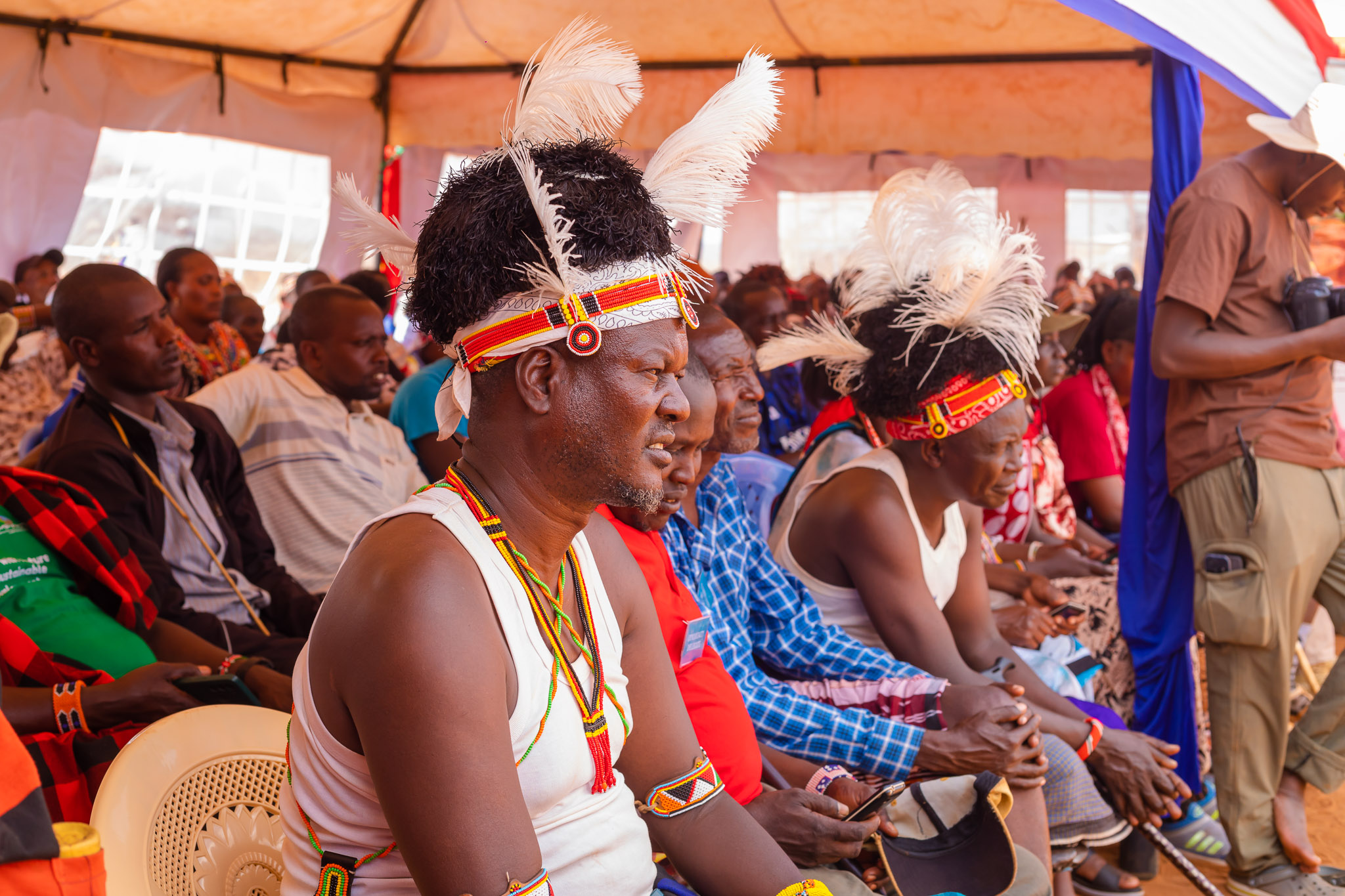
The road ended at Nkaroni. The journey did not.