Search
Close this search box.

Beyond 33Kilometres: Stories from the 14th Ewaso Ng’iro Camel Caravan

Beyond 33Kilometres: Stories from the 14th Ewaso Ng’iro Camel Caravan
Some journeys are measured in kilometers. Others are measured in conversations, friendships, lessons learned, and the things you carry home with you. 

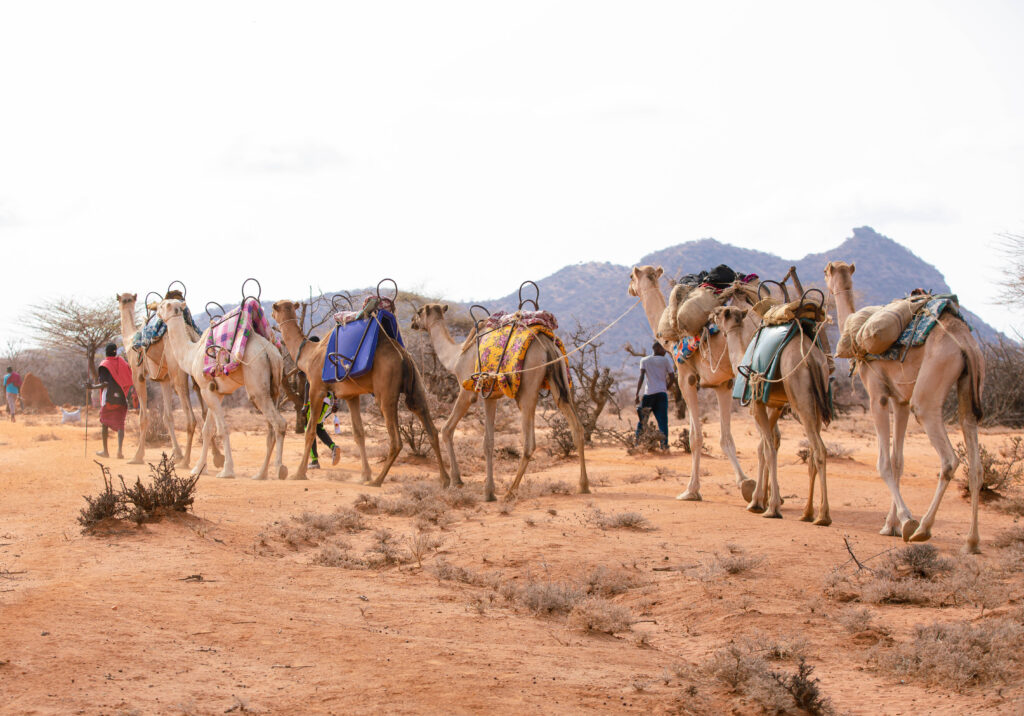
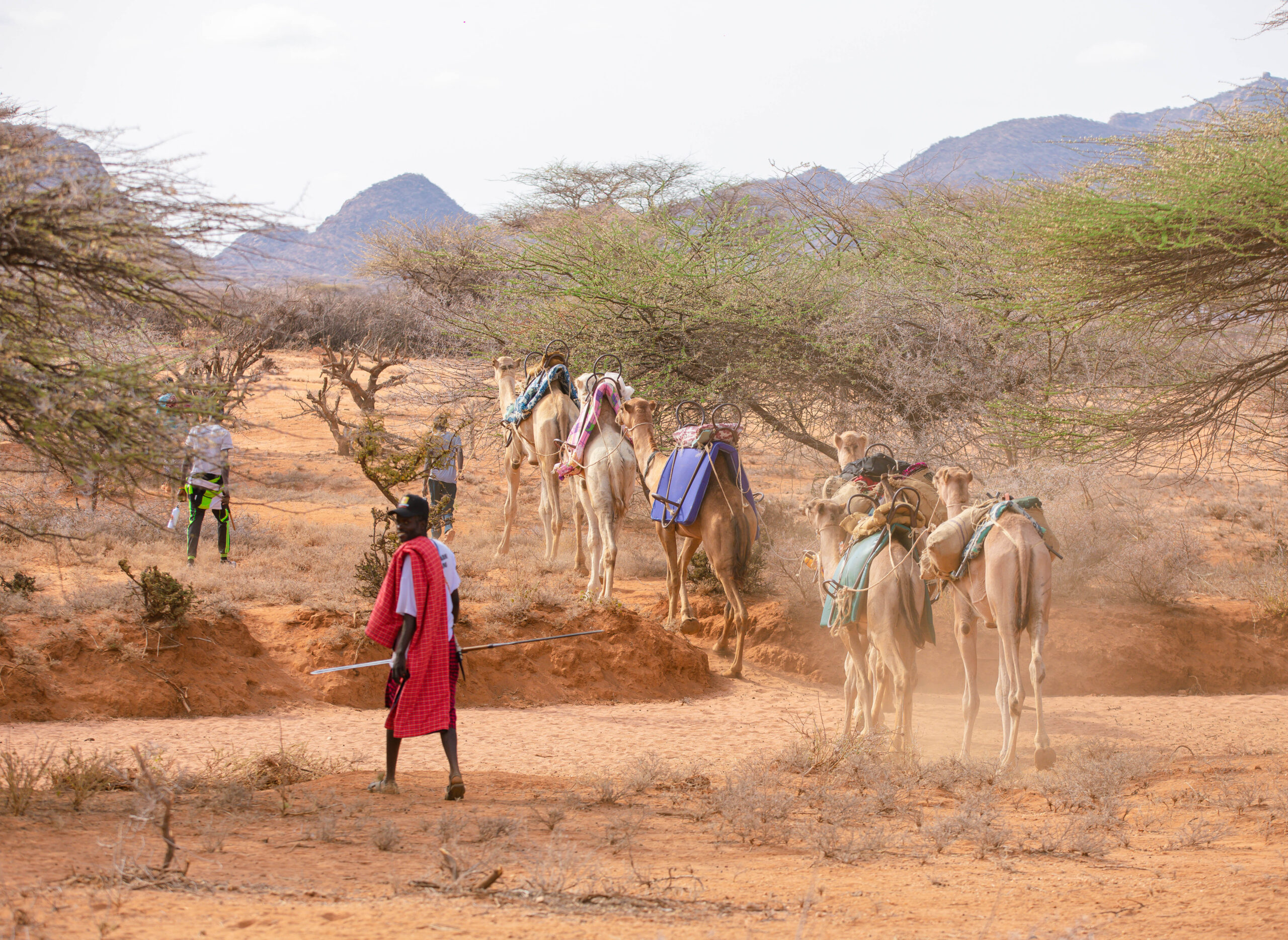
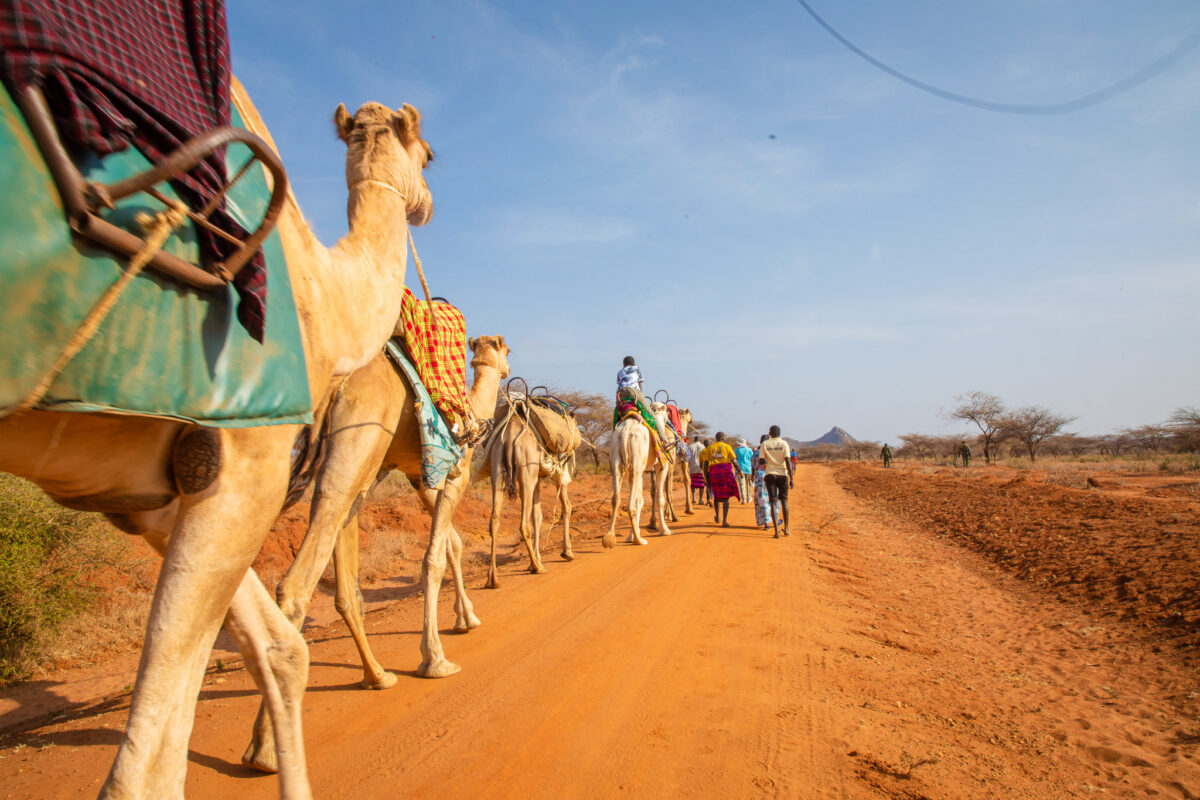
There is something humbling about walking alongside camels.

At first, the excitement is easy to understand. The landscape stretches ahead, the camels are moving, people are laughing, cameras are out, and you are thinking, “This is going to be amazing.”

Then someone tells you, “14 kilometers today.” You think, 14? Easy enough. Until kilometer 8.

Then your feet begin asking questions your mind does not want to answer.

The journey

On 6 August, participants walked 14 km from Nkutuk Elmuget to Lpus Livestock Market, followed by another 19 km from Lpus to Nkaroni Girls Secondary School the next day.

33 kilometers in total.

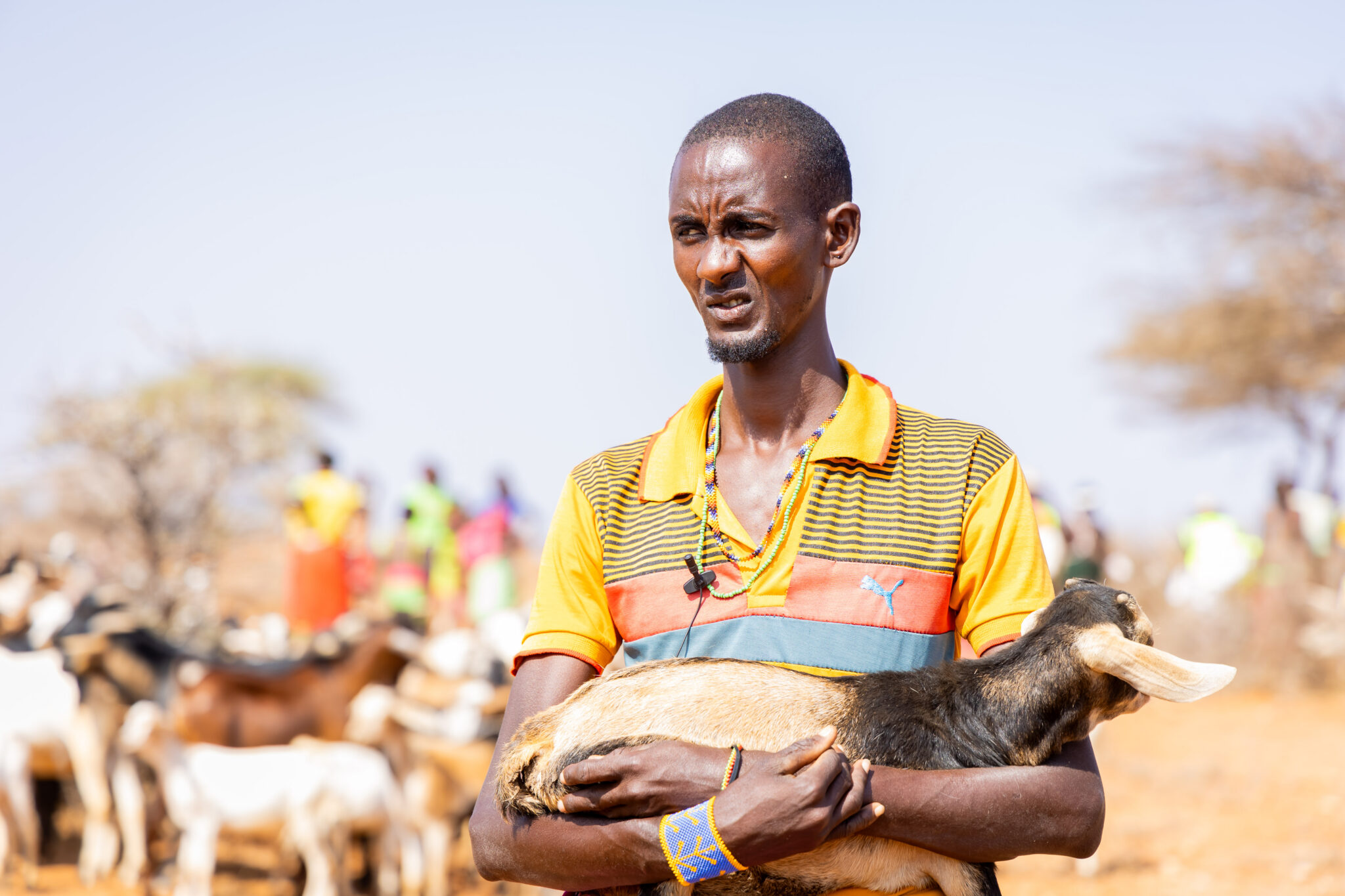
For first-time participant Edwin Tobiko Lenangetai, the first day was tough.

“The body demanded hydration with every step.”

But the second day felt different. The first day’s challenge had prepared him physically and mentally. He completed the 19 kilometers—and discovered that sometimes you only know what you are capable of after taking the first step.

The walking also became a platform to advocate for the protection of the Ewaso Ng’iro River, peaceful coexistence, and responsible management of shared resources and pastoral livelihoods.

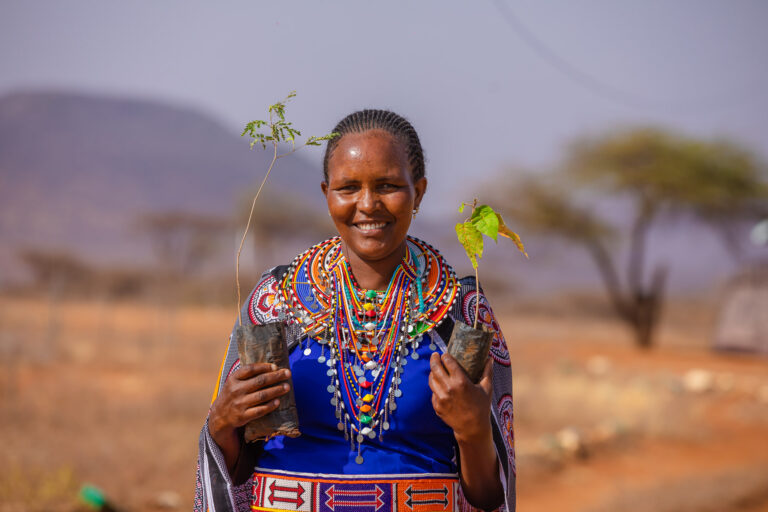
Edwin Tobiko Lenangetai

More than a walk

 At the end of the day, the journey did not stop.

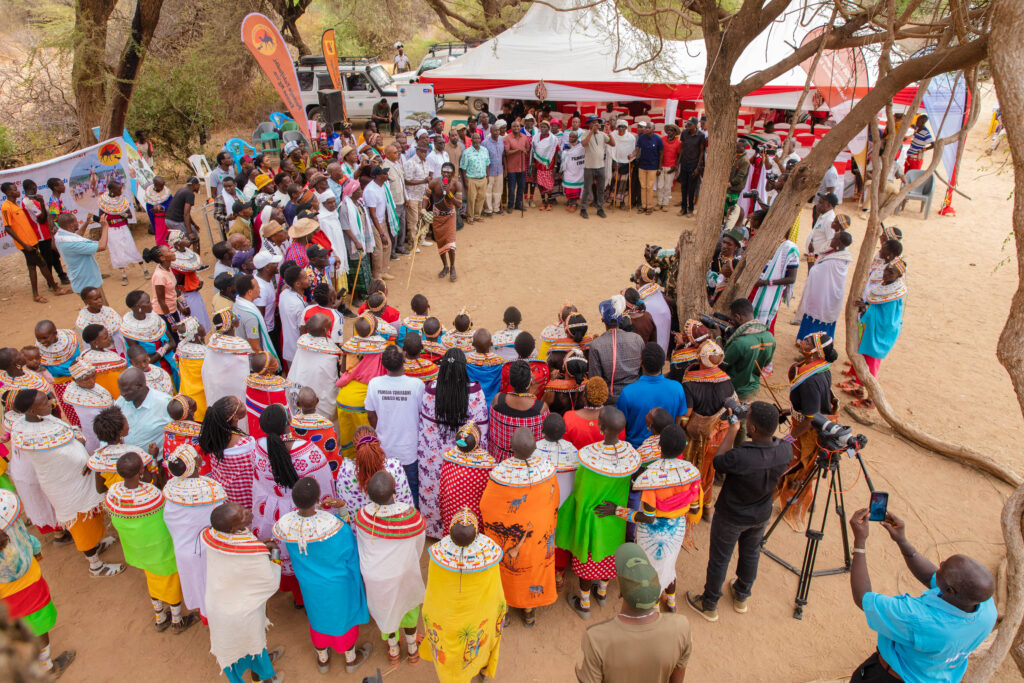
There were camping nights under the open sky, conversations around the camp, and the simple experience of spending time together away from the usual routines. These moments created space for people from different communities and backgrounds to connect, share stories, and learn from one another.

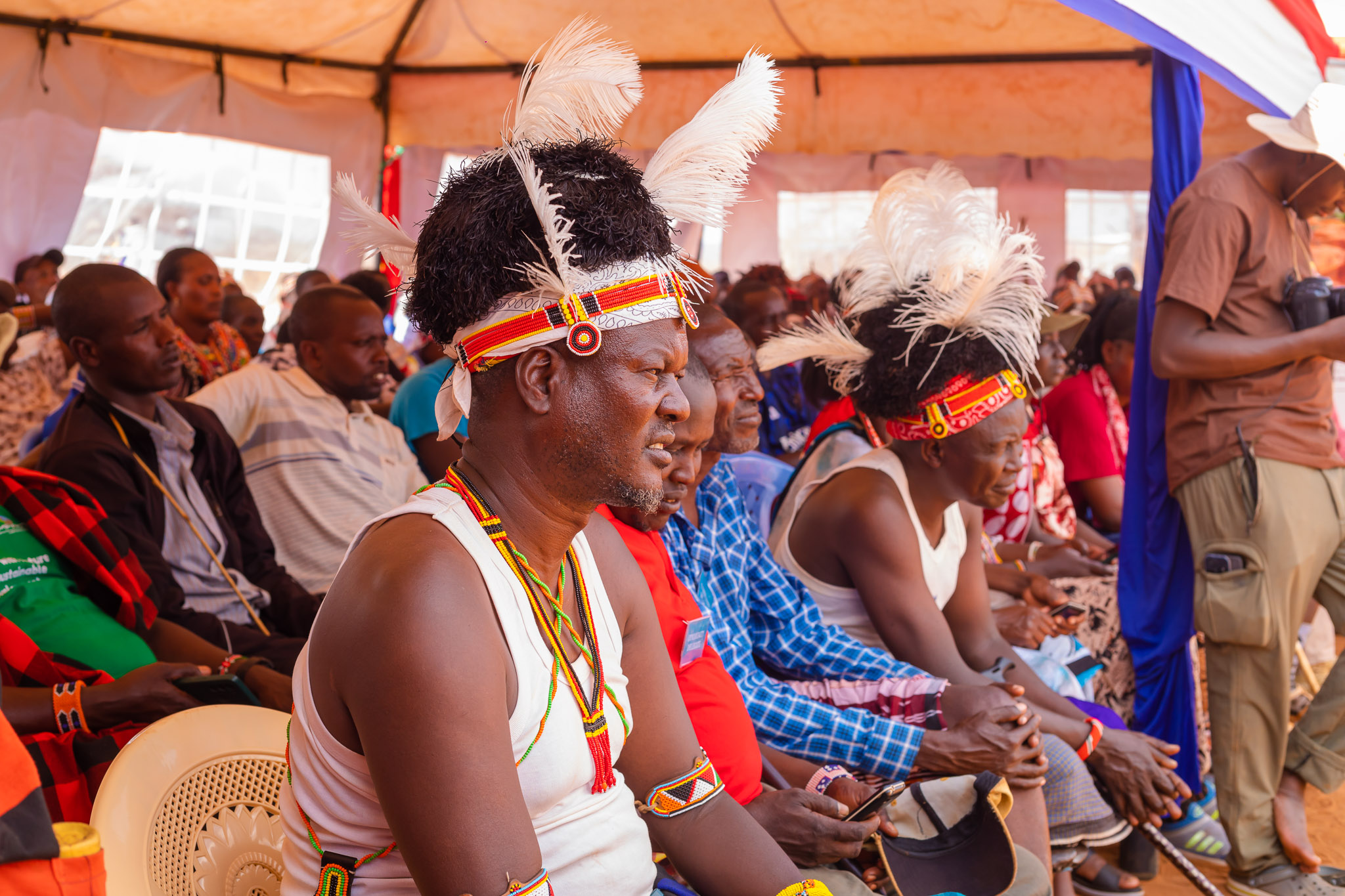
The Caravan brought different cultures into the same space. The Indigenous Food Festival was one of those moments—communities shared traditional foods, explained their preparation, and spoke about the knowledge and cultural practices connected to what they eat.

There were also conversations that required more than celebration.

Through public participation on historical land injustices, communities shared experiences and engaged on land, rights, and justice. Peace and rangeland management dialogues created space to discuss shared resources, peaceful coexistence, and the role communities can play in managing their rangelands.

And there was action on the ground.

680 trees were planted at Nkaroni Girls Secondary School, while 42,014 sheep and goats were vaccinated against PPR and S&G. Strong community mobilization and active veterinary engagement helped bring the vaccination campaign closer to livestock keepers, with demand continuing until available vaccines were exhausted.

Celebrating knowledge and culture

The Caravan also marked the International Day of the World’s Indigenous Peoples under the theme “Honouring Indigenous Midwives: Safeguarding Life and Well-being.”

The day provided an opportunity to recognize Indigenous midwives and traditional birth attendants and the knowledge they carry across generations.

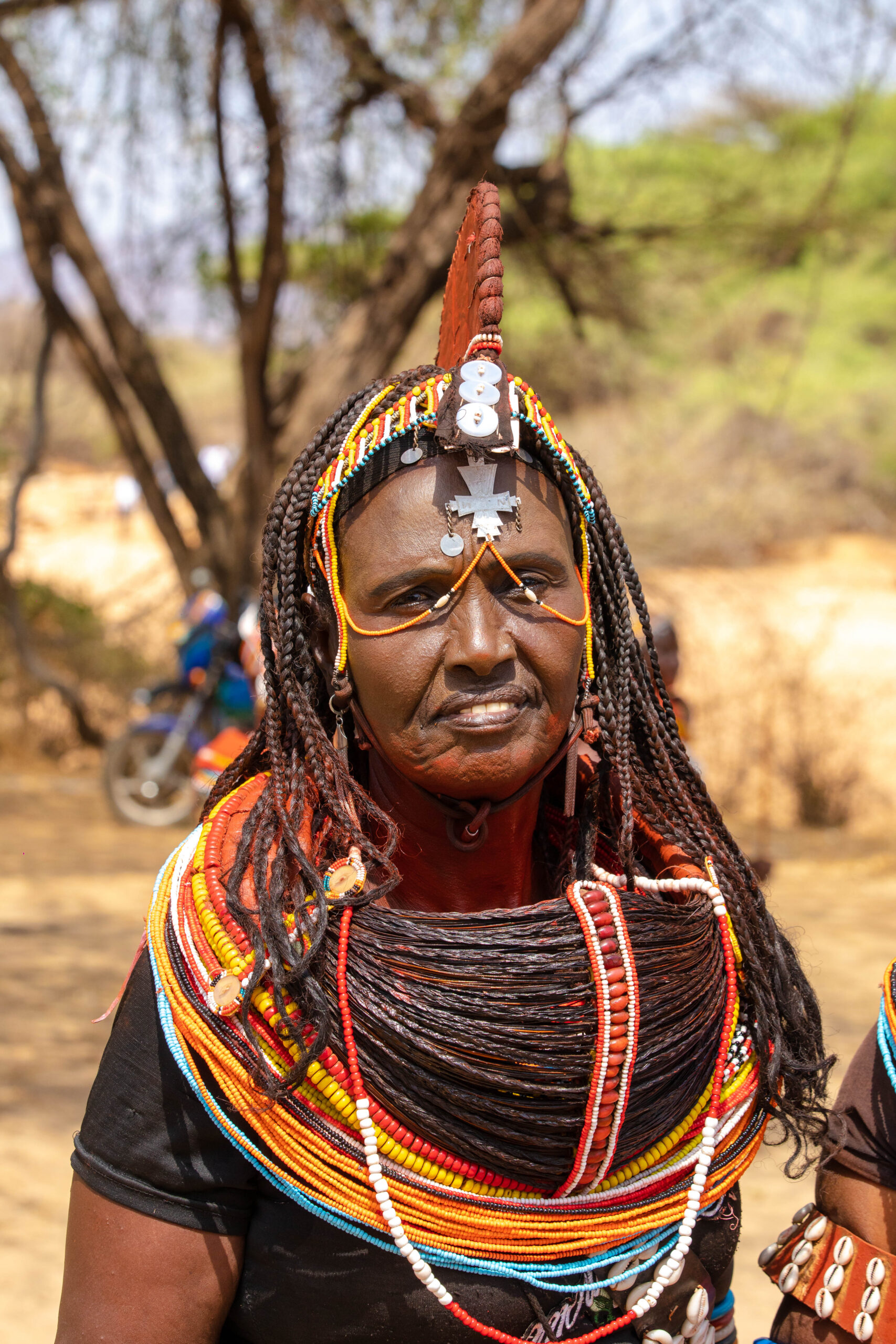
Together with the food festival, cultural exchange, dialogues and camping experience, it reminded us that Indigenous knowledge is not something separate from everyday life. It lives in food, language, relationships, land, livestock, health, stories and the ways communities care for one another.

What stays after the Caravan?

The numbers tell part of the story:

    33 km walked.
    680 trees planted.
    42,014 sheep and goats vaccinated.

But the Caravan left something less measurable too: new conversations, shared experiences, stronger connections, and a deeper appreciation of the different cultures and knowledge systems that make up pastoralist communities.

During the International Year of Rangelands and Pastoralists 2026, this matters.

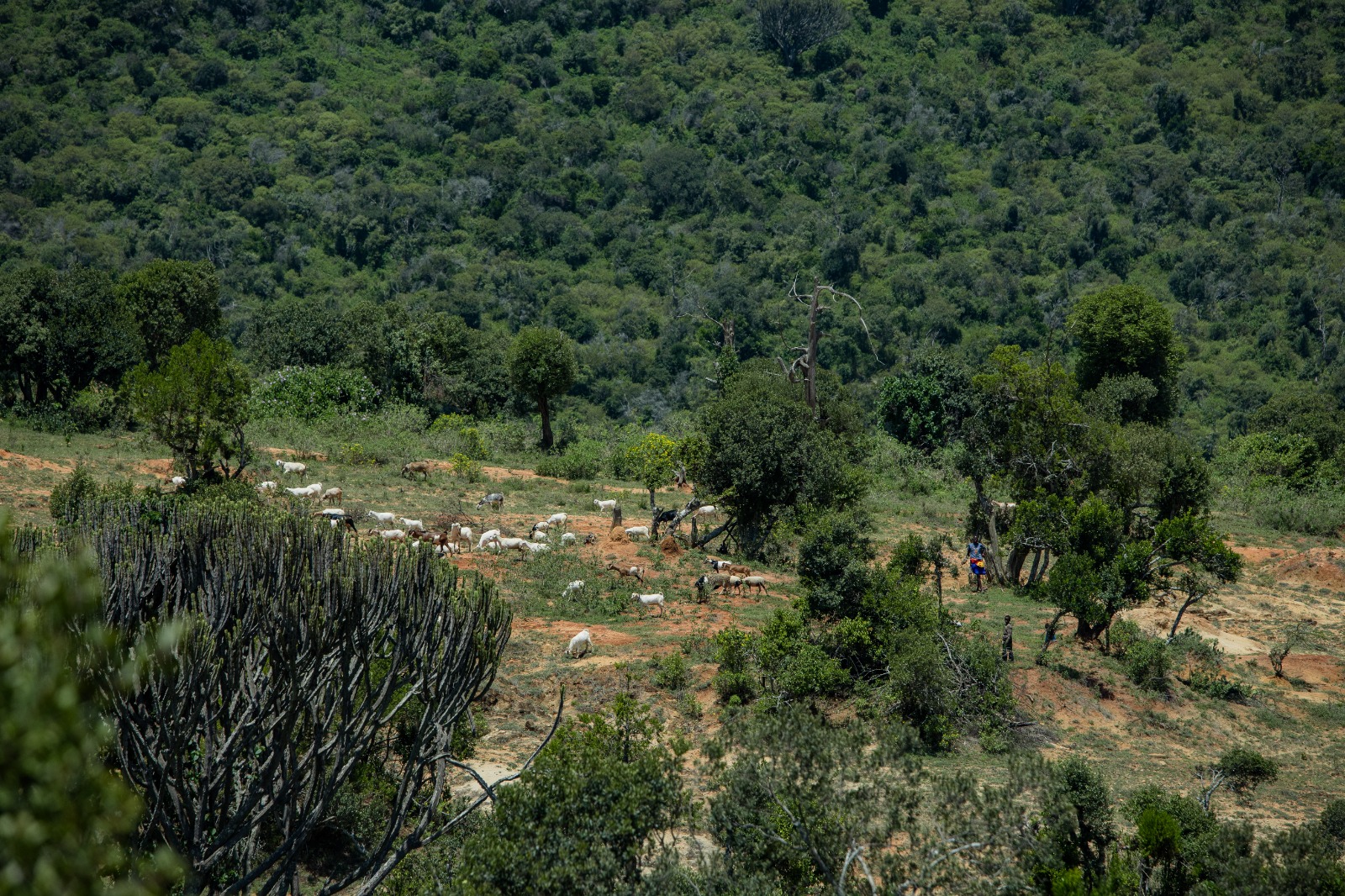
The Caravan showed that rangelands are not just landscapes. They are places where people live, cultures thrive, livestock are raised, knowledge is passed on, resources are shared, and futures are shaped.

The 14th Ewaso Ng’iro Camel Caravan may have ended, but the journey continues—with communities, partners and all those committed to healthy rangelands, peaceful coexistence, Indigenous knowledge, and resilient pastoralist communities.
The road ended at Nkaroni. The journey did not. 🐪🌿

More Than Camels: The Story Behind the Ewaso Ng’iro River Camel Caravan

More Than Camels: The Story Behind the Ewaso Ng'iro River Camel Caravan

What do you picture when you hear the words, Camel Caravan?

Maybe you imagine a line of camels moving through Northern Kenya, a vibrant cultural procession, or a celebration of pastoralist traditions.

You wouldn’t be wrong. But you wouldn’t have the full story either.

The Ewaso Ng’iro River Camel Caravan is not defined by the camels that lead the journey. It is defined by the stories carried along the way.

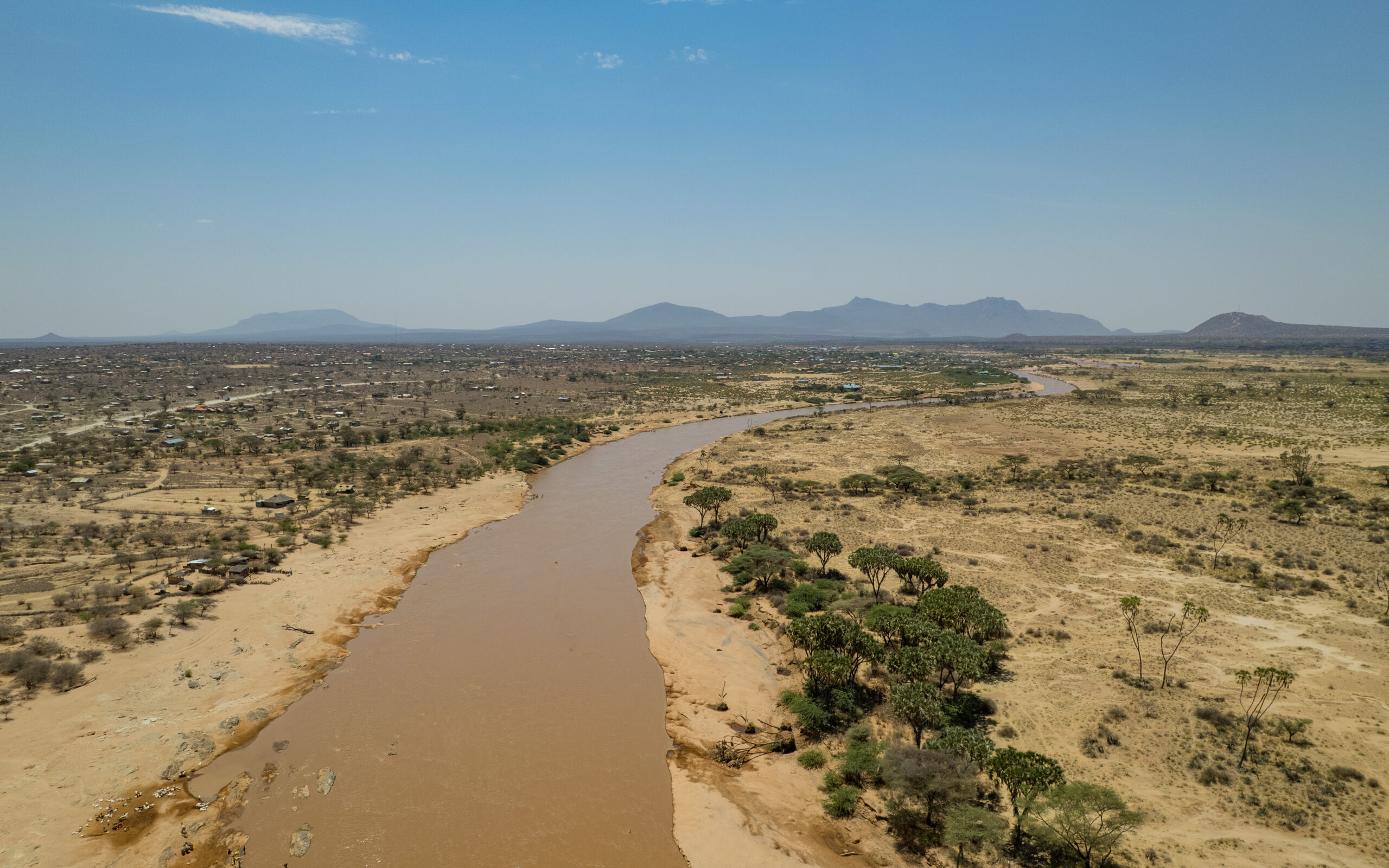
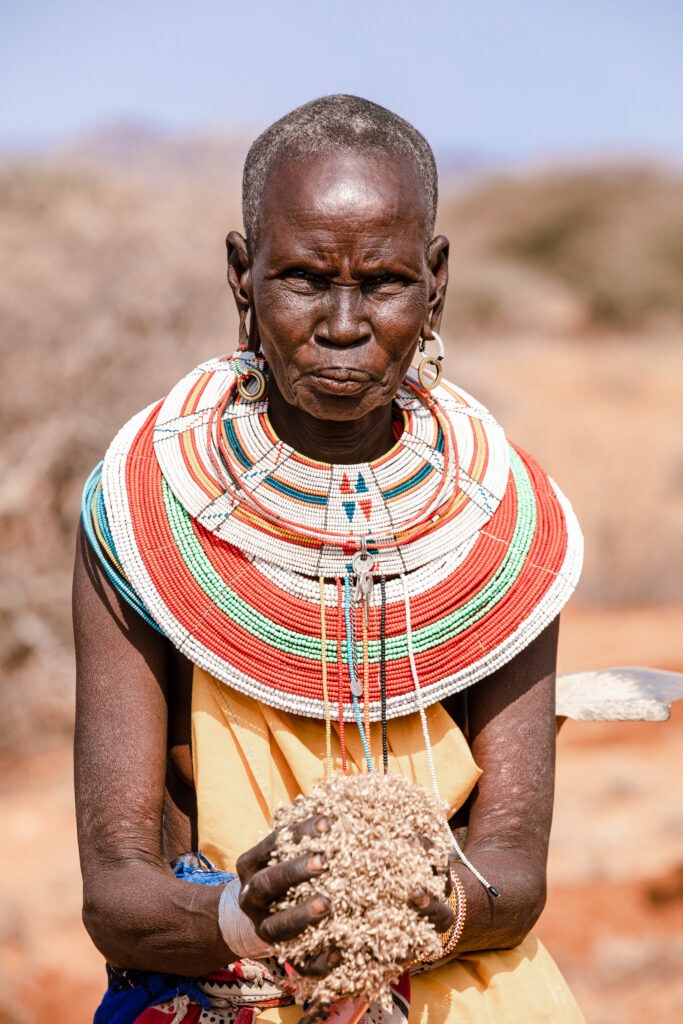
There is an elder who remembers when the river flowed longer, when the grass returned with the rains, and when grazing routes looked different. He doesn’t need satellite images to tell him the land is changing.

He has spent a lifetime reading it.

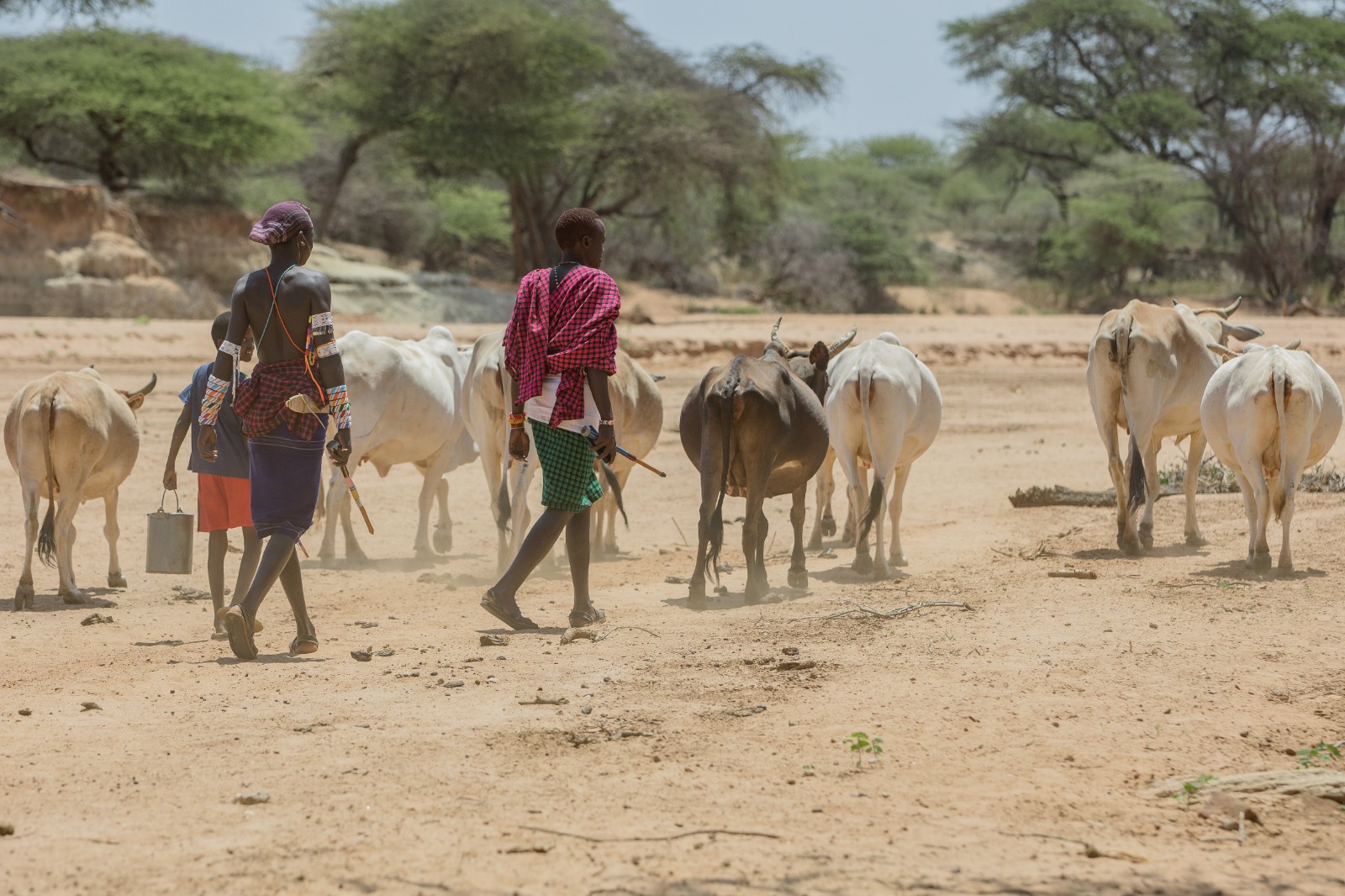
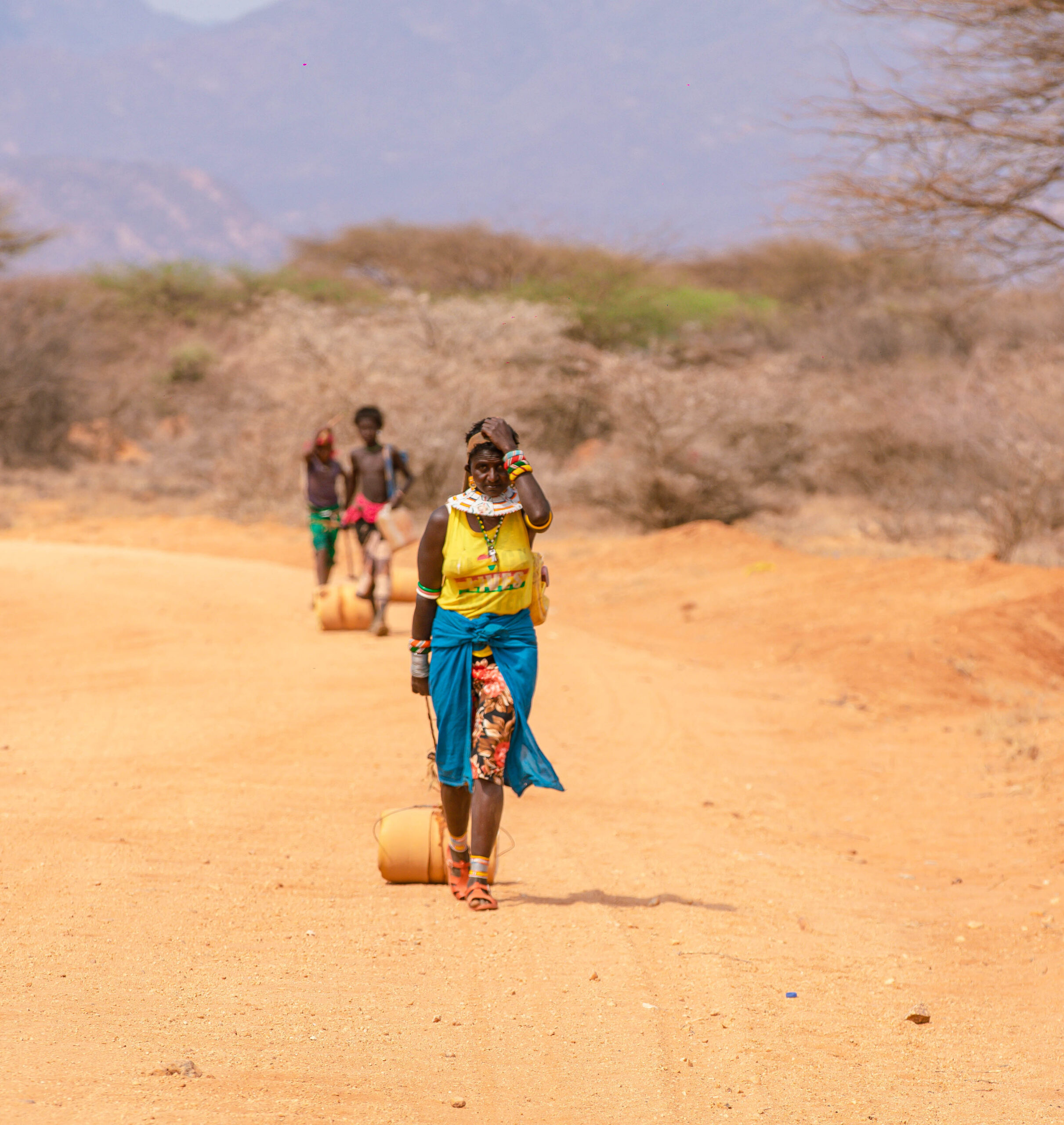
A young herder now walks farther in search of pasture than his father once did. A mother leaves home before sunrise because the nearest reliable water source is no longer where it once was.

These are not statistics. They are real life. And they are the stories that the Ewaso Ng’iro River Camel Caravan tells.

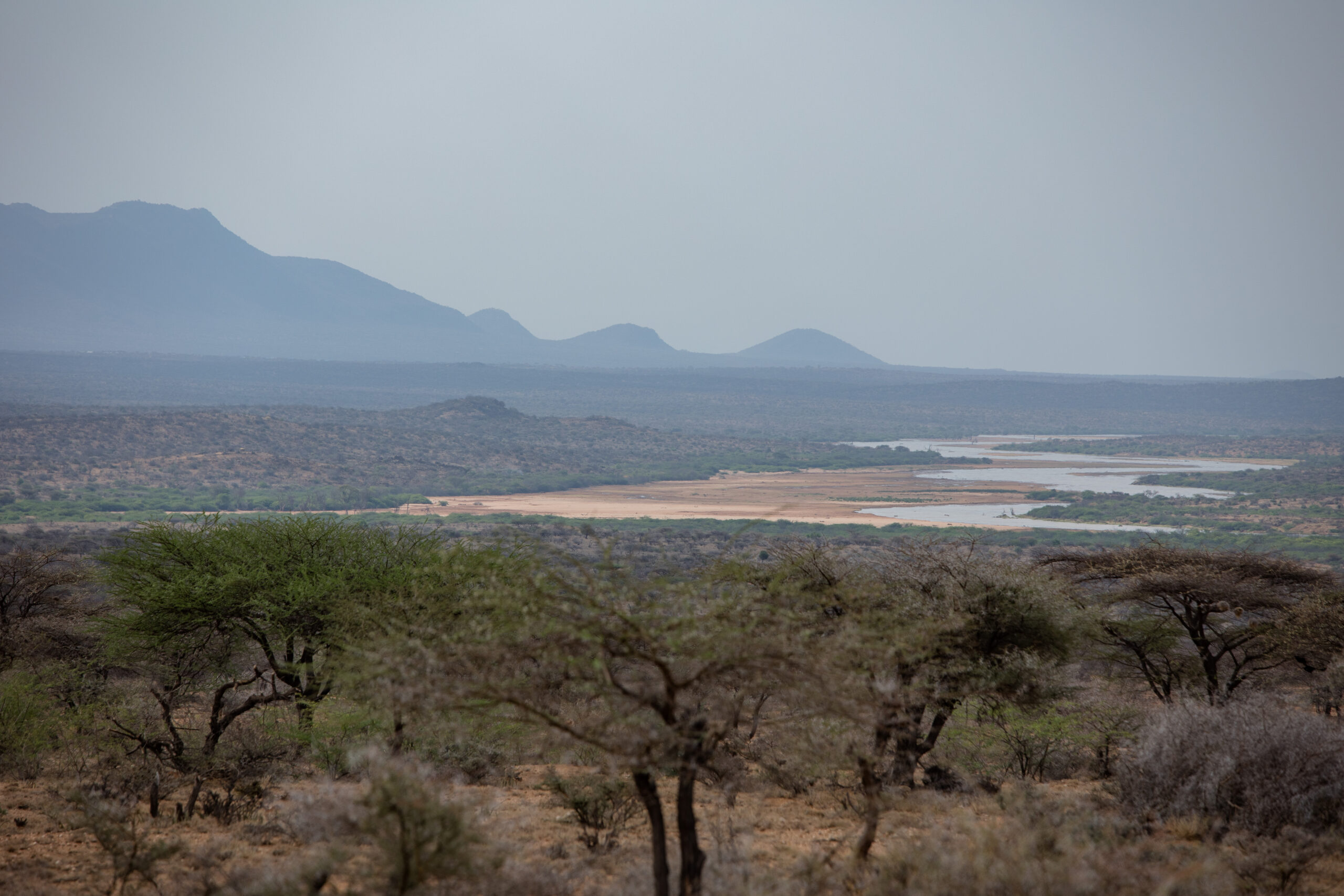
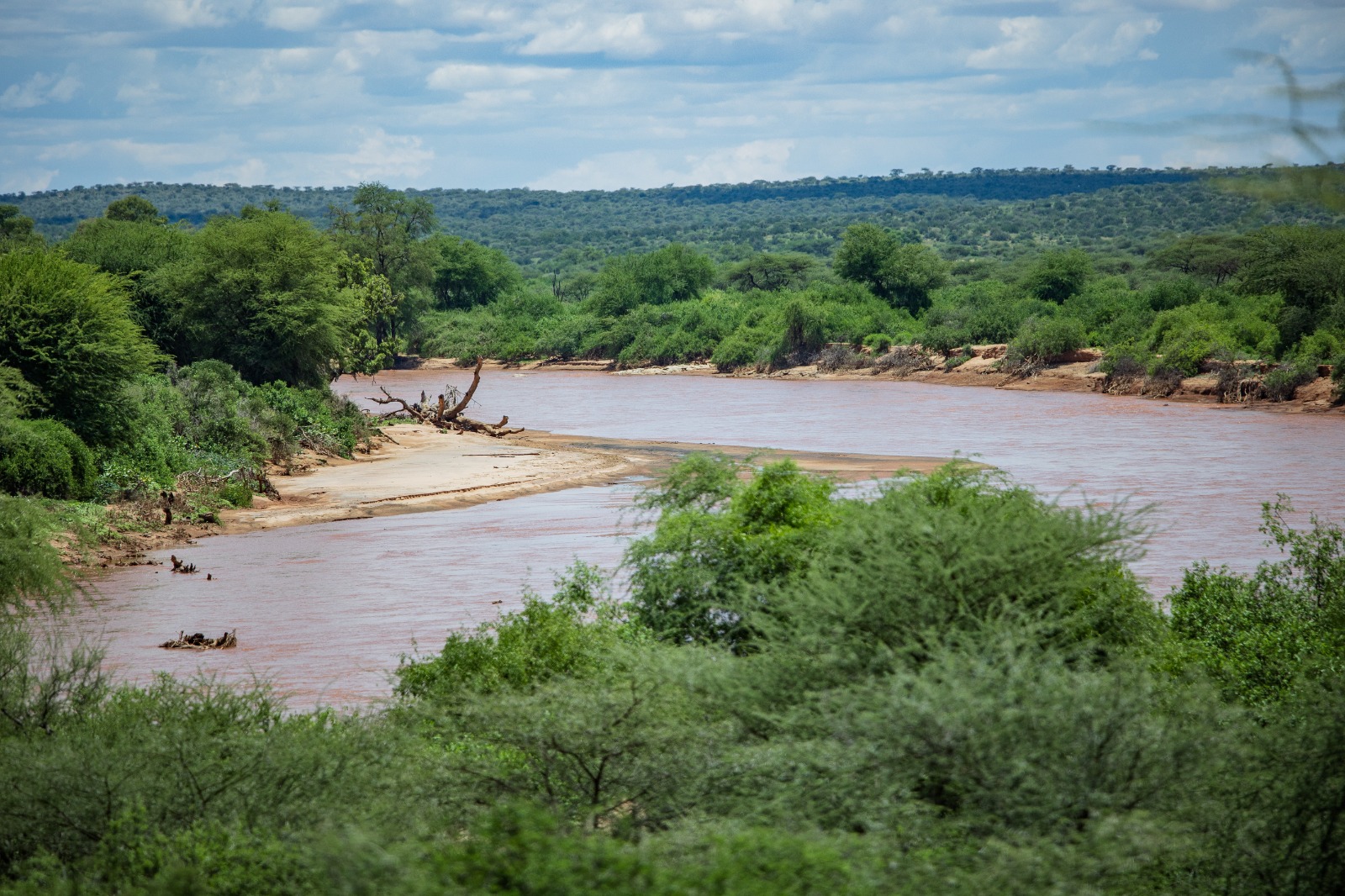
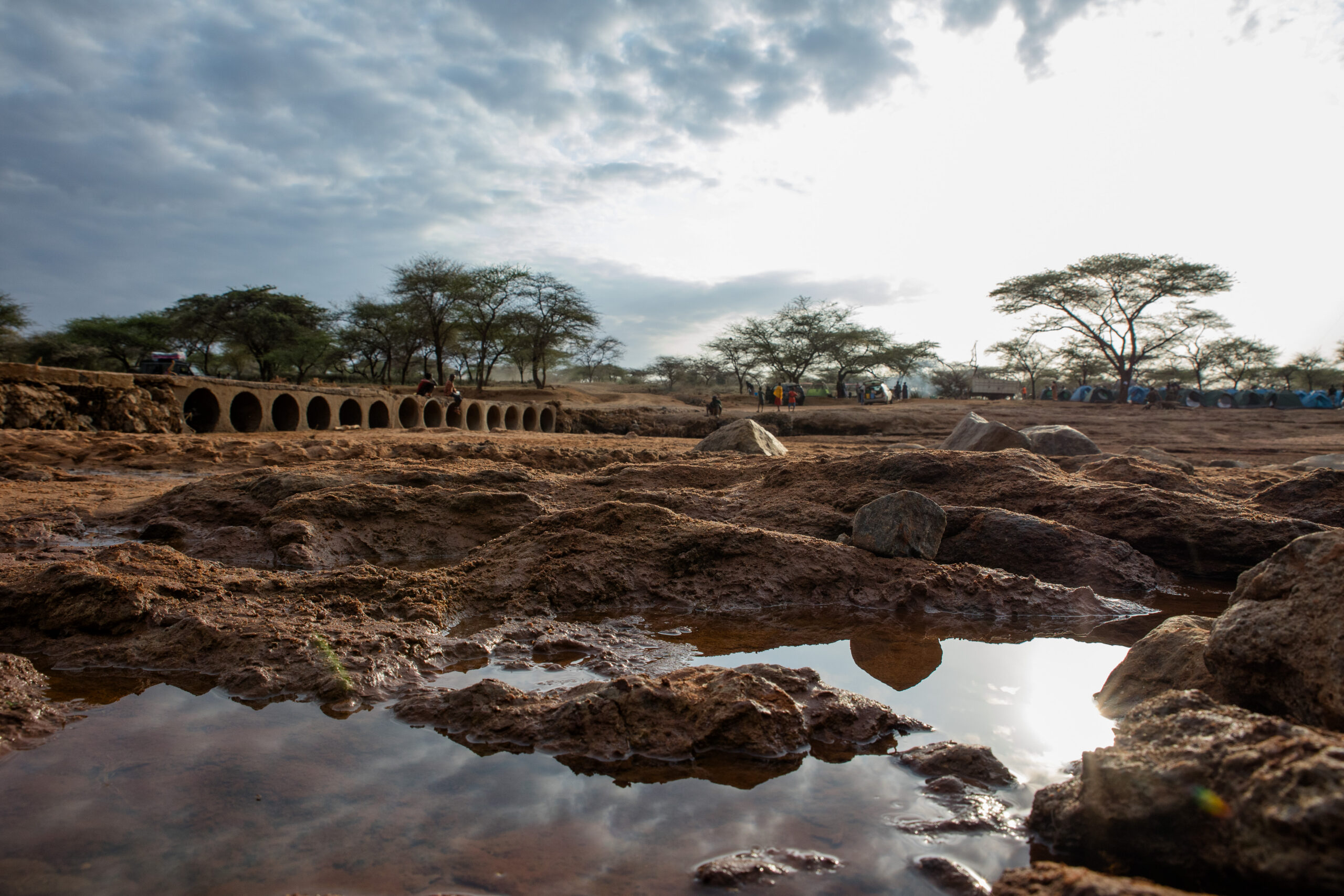
The river is a thread that supports people, livestock, and wildlife equally—the thread that runs through communities across the basin. But when its waters recede, the problems spill far beyond its banks. Less water means longer journeys to find pasture, putting pressure on grazing land and sometimes creating competition for the resources communities need. So protecting the river is not just about nature conservation but about improving livelihoods, promoting peaceful coexistence, and ensuring a common future.

As the caravan follows the Ewaso Ng’iro River, it is also traveling another path: the path of the stories of the people whose lives are knitted into its waters.

Every year, the Camel Caravan has brought together indigenous communities, elders, youth, women, governments, conservation partners, and agencies. 

Every stop along the way sparks a conversation about the river’s future, the health of the rangelands, and the livelihoods that depend on both.

Communities share their lived experiences, policymakers listen, and partners unite around a shared responsibility to protect a river that has sustained people, livestock, and wildlife for generations.

While it may seem like a cultural event, the Camel Caravan is more than that; it is a platform for advocacy.


WHY YOU SHOULD LOOK FORWARD TO THIS YEARS'S CAMEL CARAVAN

The Camel Caravan gains even more relevance this year in being the world’s premier observance of the International Year of Rangelands and Pastoralists (IYRP 2026). As the global community focuses its attention on the importance of rangelands, the Ewaso Ng’iro Basin communities never fail to point out that healthy rivers, healthy rangelands, and healthy pastoralist communities go hand in hand.

At IMPACT Kenya, we see the Camel Caravan as more than an annual event. It is a space where communities lead the conversation about the landscapes they know best. Here, Indigenous knowledge is shared, partnerships are strengthened, and the voices of pastoralist communities help shape the future of the rangelands they have cared for for generations.

So, the next time you hear the phrase “Camel Caravan,” think beyond the animals. Think of the elder reading the land, the young herder heading out to find greener pastures, and the mother walking miles for clean water. These are the stories of the Camel Caravan ; and this year, we invite you to walk with us

.