Search
Close this search box.

Indigenous Peoples’ Voices

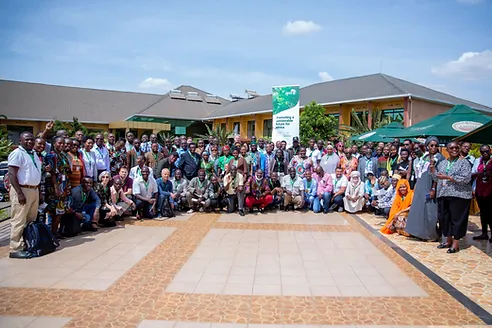
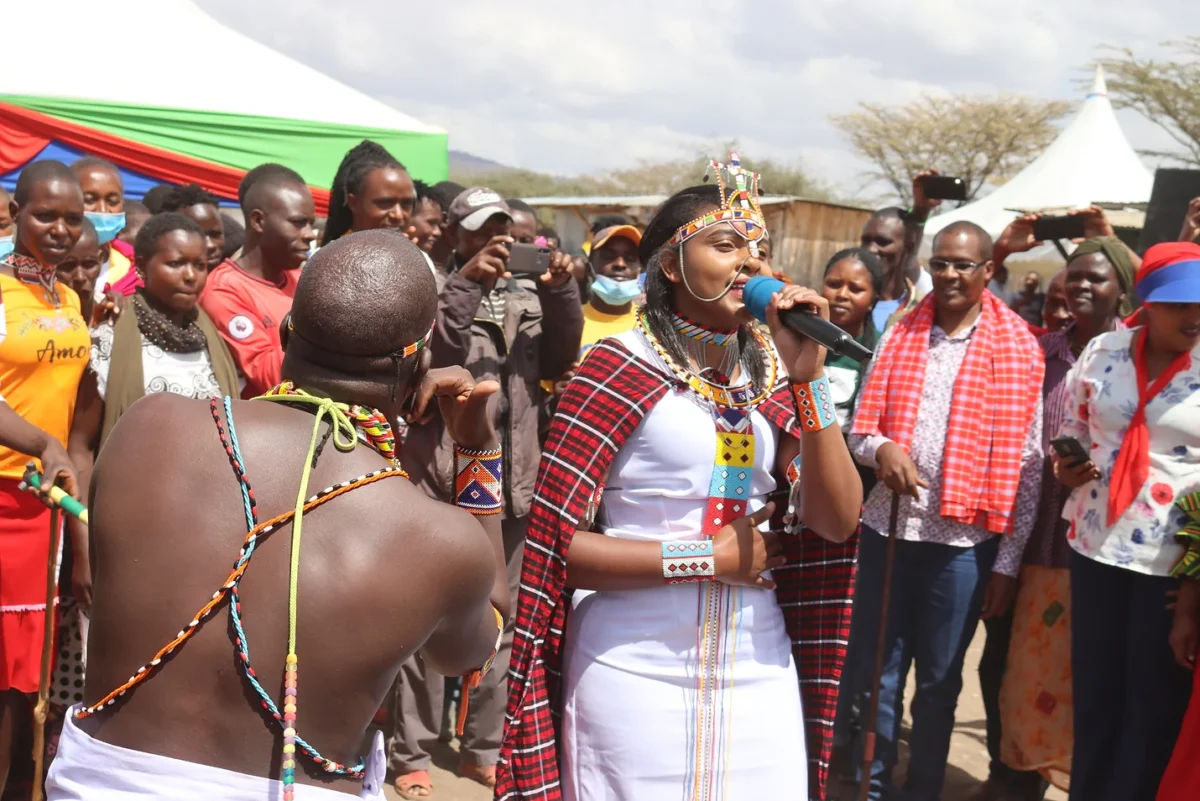
The African protected Areas Congress preparatory meeting was organized and held in Nairobi by IMPACT Kenya and other African Indigenous organizations, with the aim to discuss and set ground on the 30*30 conservation target on Indigenous peoples’ pathways to inclusive and just conservation, securing tenure rights towards biodiversity and traditional knowledge, and financial resource mobilization and management in regards to the 1.7billion Glasgow pledge in preparation to the upcoming APAC in Kigali, Rwanda.

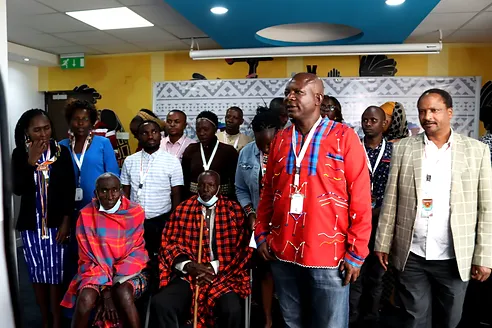
Our CEO Mali Ole Kaunga urged the participants of the need to work collectively as one and frame well how to advance their grievances at the APAC in Rwanda.” Its time to stop complaining and take action as conservationists, we need to challenge government policies that do not recognize Indigenous people. The government should formulate pastoral friendly policies and agendas that recognize the voices of indigenous peoples’ He said

Jennifer Corpus of Nia Tero during her presentation on the 30*30 conservation target and the 1.7billion Glasgow pledge reminds us of the need for the FPIC tool for the recognition of Indigenous people’s territories and contributions. She further encourages us to consider other options as the protected areas belong to the governments, like the conserved areas which bring good biodiversity outcomes governed using Indigenous Peoples elements

During this workshop, a delegate speaking of the current eviction situation in Tanzania quoted ‘our hearts are bleeding, many Maasai’s are out in hiding and this makes it the right time to say no to violations of Indigenous peoples’.

High-value biodiversities are located in Indigenous people’s lands, conservation should include the space of Indigenous peoples in regard to land injustices,and therefore conservation practices that do not have the rights of the people should be revised.


Speaking to Citizen tv on behalf of the Indigenous Peoples our CEO Mali Ole Kaunga says we stand in solidarity with the people of Loliondo Tanzania and urged their government to stop the act of detaining, killing and evicting Indigenous Peoples.

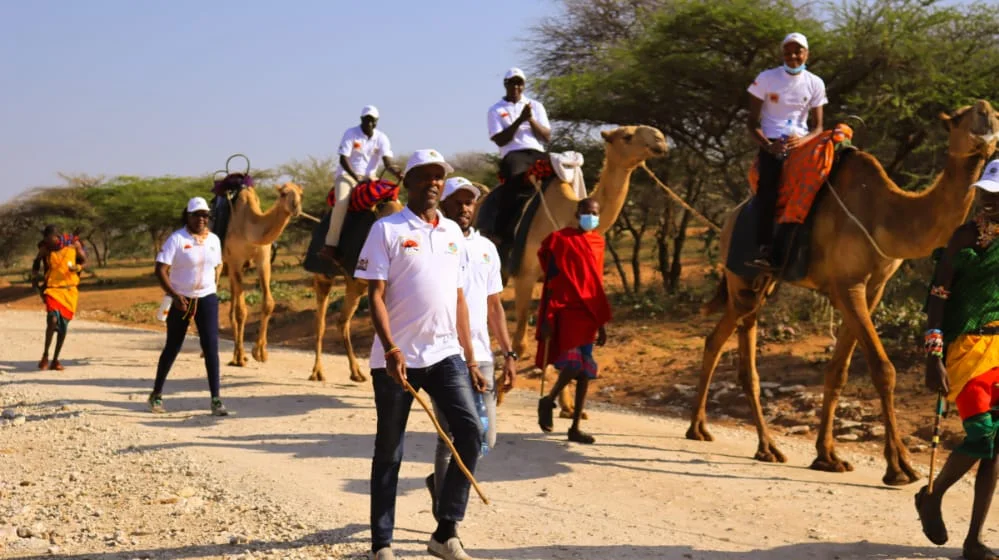
Camel Caravan 2022

The Ewaso Ngiro river unifies and divides communities in the basin in equal measure. In this period of increasing human population, large-scale agricultural activities, infrastructure development, and climate change, the river dries up and gets polluted.Water users, including communities, livestock &wildlife, the public sector, and corporate entities, both upstream middle and downstream, often lack a shared understanding of the threats facing the river system and fail to effectively collaborate around integrated water resources management,this leads to conflicts and an escalation of the threats facing the river system.


In another context, climate change has led to an increase in the frequency and intensity of natural disasters, natural resource scarcity, and environmental degradation, which in many contexts has contributed to the exacerbation of conflict in the Ewaso ecosystem. These has resulted to inter-communal and pastoral violence over natural resources, including access to land, water and minerals. Changes in weather patterns have affected women’s lives more as they walk further in search of water and fuelwood, It has also affected their capacity to earn income and feed their families. For pastoralists, climate change has brought drastic changes to their everyday life, including long and sometimes treacherous journeys in search of water and greener pastures.


The Drastic water flow reduction in the Ewaso Nyiro River is a sign of disaster to both animals and communities, the prolonged drought and desertification in the area is the downfall of the socio-economic aspect of the pastoral communities living along the river. Decreased plant cover, soil erosion, adverse heat, and minimum water flows are some of the problems currently facing the Ewaso Nyiro River.


The upstream communities play a big role in the upper stream of the river and Lake Olbolossat which is the headwaters of River Ewaso Ng’iro and therefore, during the Camel Caravan this year we are reversing the flow by walking upstream involving farmers’ communities, conservancies, water resource users’ associations, and private farms to make them understand the impact of their activities upstream to the pastoralist in the mid and lower stream.


At the end of the Camel Caravan,we expect communities to have a deepened, broadened, and increased knowledge on the importance of Ewaso Ng’iro River to the pastoral communities downstream, and increased capacity for environmental conservation.In the long run other pressing issues will also be resolved and some results seen as mentioned below:

  • Improved well usage of the river, which will consequently prevent the river from the verge of drying up.

  • Increased number of stakeholders with interest in saving the Ewaso Ng’iro River

  • Through the media, there will be an increased popularization of the need to conserve wetlands in Kenya.

  • VI.Increased commitment by the government to allocate time and resources to the saving of the river.

  • High interest by other donors to support this noble initiative.

  • A good communications strategy between upstream and downstream river users.

  • Increased protection of the catchment areas and minimized encroachment.

  • Improved water management and the general conservation of the environment

The Dying Lake Ol’Bolosat

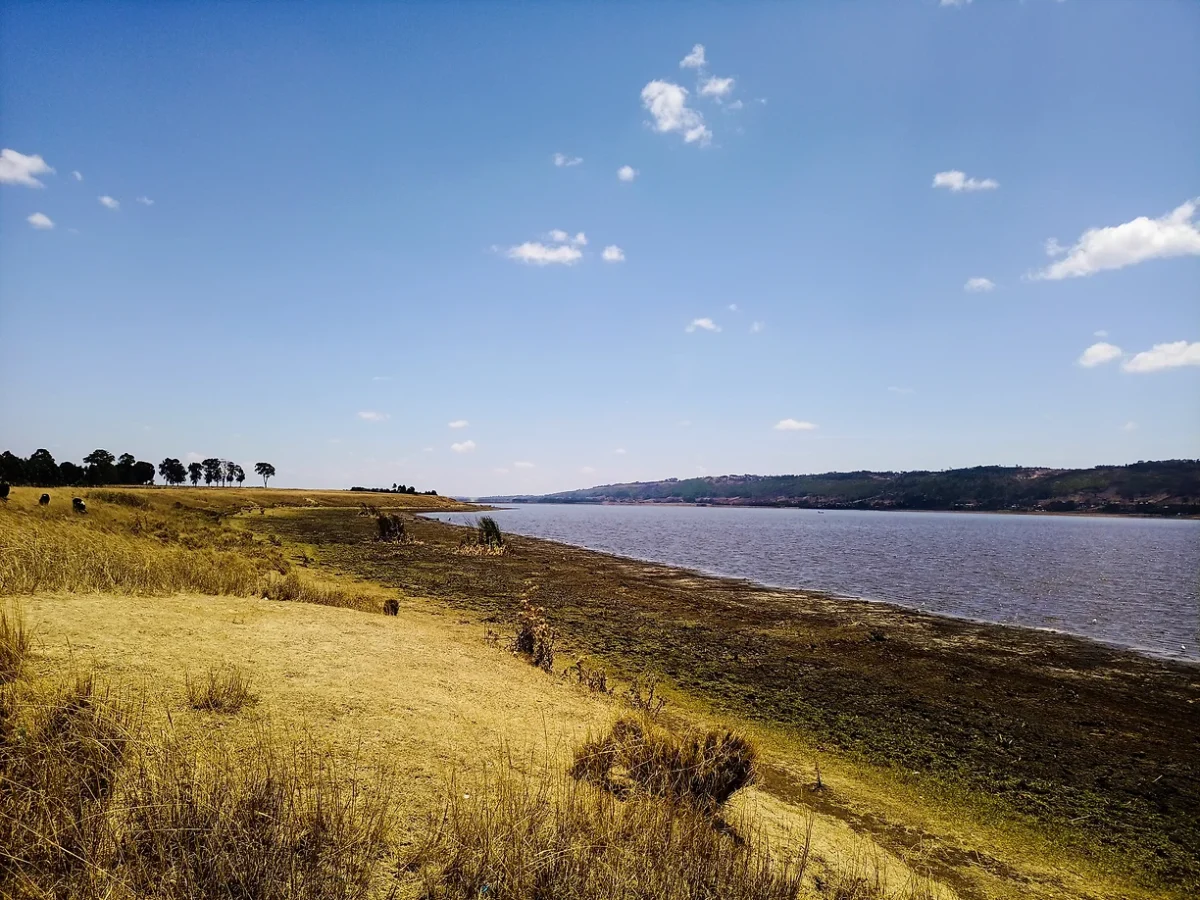
Ol’Bolosat is a Maasai word that means a “Marshy area”, Lake Ol’Bolosat is the only natural lake in central Kenya located in Nyandarua County on the northwestern side of the Aberdare ranges. The lake forms the headwaters for the Ewaso Ng’iro River, which supports the livelihoods of communities, livestock and wildlife in the dry Laikipia, Samburu, Isiolo and Garissa Counties. The fresh and saltwater lake is a habitat for Tilapia, Catfish, hippopotamus and over 300 bird species (both residents and migrants) which have disappeared over the years. The Ewaso Nyiro River has supported the thriving wildlife tourism in Buffalo Springs, Shaba National Reserve and Lorian swamp in Wajir, where the river goes underground to re-emerge in Somalia where it joins the Jubba River.

The lake affects the lives of people along the Ewaso Ng’iro basin, the downstream (Ewaso Ng’iro) has been drying faster towards the upper side. Death is coming and it’s coming from downstream upstream, conflicts over natural resources have increased downstream causing many deaths, one of these resources that is very crucial to both humans and wildlife is water. Their main source of water is Lake Ol’Bolosat whose death is the death of the millions of people in Northern Kenya.


On our quest to find out the cause of the drying Ewaso ng’iro river, we visited Lake Ol’Bolosat where we met one elder who is a resident of an area (Ol Joro Orok) next to the lake and this is what he had to say “this lake has been declining over a period of time, the severe drought has had it completely dry. Community encroachment with activities like farming has also played a big role in the death of this lake, the northern side of the lake has become a very thin and muddy strip”


Residents have encroached the land around the Lake and put up homes, they look at the lake as the only source of water because they do not harvest water. Most of them are agro-business people growing horticultural plants, they obstruct water by using gravity pipes and portable pumps especially during dry seasons to divert water directly from the lake for irrigation. These obstructions upstream from the lake that feeds into the Ewaso ng’iro river have caused a permanent loss to it, in that some parts of the river have no water passing from upstream at all.

The people upstream are killing the Lake and people who depend on it at the expense of unsustainable irrigation systems.


The Peace Summit

Violent conflicts have become a common thing in Northern Kenya in the recent past, characterized with loss of lives and livelihoods.This informed the need to bring together decision-makers from six counties of Northern Kenya to deliberate together with community representatives on the roadmap towards sustainable peace.


We held peace concert events as build up activities towards the Peace Summit in Leparua, Isiolo County and in Naibor,Laikipia county to discuss the increased conflicts that escalates during migration due to the scarcity of resources in the areas ,we advocated for communities to share the available resources and to resolve their differences in a non-violence manner. We used musicians from different communities who came together and composed songs that promote peace and cultural diversity .


The Peace Summit was attended by many communities from Northern Kenya among them being the Turkana, Pokot,Samburu,Maasai and Borana, who came together with Government officials to discuss conflict drivers and what can be done to reduce conflicts in Northern Kenya.

Some of the main conflict drivers mentioned by several if not all communities were scarcity of resources especially due to the severe drought,Illiteracy,tribalism and the influx of guns in the area.”Women suffer a great deal by carrying the weight of losing their children on a daily basis due to this conflicts and they should be on the forefront of promoting peace.” said MP Sarah Korere of Laikipia North


Some of the resolutions made which are to be implemented by the government and CSOs are the disarmament off all communities,affirmative action for education,policies for job creation,security infrastructures to be put in place and initiating projects like borehole drilling and the mega dam. IMPACT has been working tirelessly by doing peace building through supporting inter-community dialogues and training peace ambassadors ,the morans and community leaders in our efforts to promote peace.


In His speech the County Commissioner of Laikipia County Mr Joseph Kanyiri encouraged communities to work hard to retain the peace that they enjoyed before and abide by the law,he further urged the government and CSOs to support grazing committees and help in managing the available resources to avoid conflicts.


IMPACT together with the County Governments and other CSOs will be working together on the resolutions given by the community delegates in the struggle to promote a peaceful co-existence among all communities of northern Kenya. As communities play their role in being ambassadors of peace and adapting to alternative livelihoods that are viable to avoid conflicts .

Education at the Doorstep—Manyatta Learning Centers

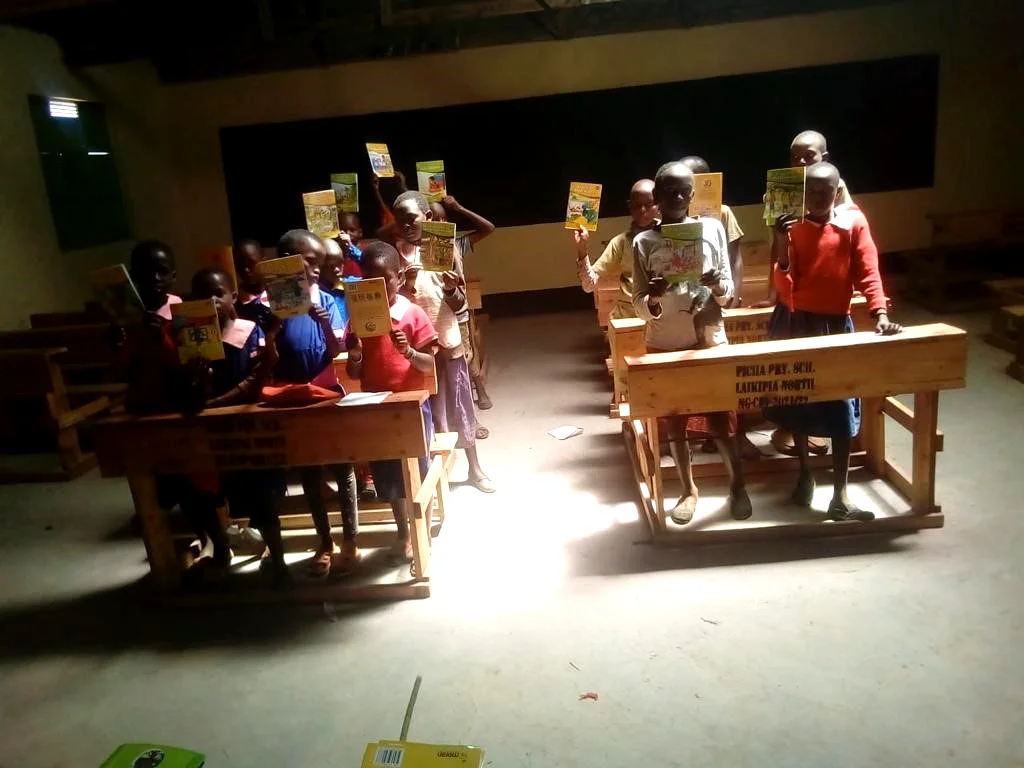
A strategy was adopted in 2010 by the Kenyan government to recognize the unique nature of nomad education and propose ways of reconciling the fundamental choices nomadic children face. The problem is recognized by the Kenyan government and by international agencies working in this field. ‘Education for all is more likely to be achieved if boys and girls are not forced to choose between herding and schooling’ writes UNICEF. The Kenyan Ministry of Education’s nomadic education policy framework states: ‘nomadic pastoralists require flexible education delivery modes that take into account their children’s work at home. As a means to counter this, IMPACT in partnership with GRIC developed Manyattta learning centers that do not hinder the learners from practicing their lifestyle but bring education to their doorsteps at the Village level.

The Manyatta learning center has a hive of activities ranging from learning the level-based content, informal learning through storytelling and borrowing of story books to create summaries by the learners. Below is Sheila’s story ….


Sheila putunoi is a grade 5 learner who attends the Saturday sessions in Picha learning center; she was amongst the learner’s lace at the center for the intervention. Sheila was placed at the Aya level during the assessment and the coordinator reports that she has been making gradual advancements and she has moved to the story level. The coordinator also reports that Sheila attends the sessions regularly and is a very active learner. The recent introduction of porridge we did encourages learners like Sheila to continually come to the center unlike before since they face several challenges at home like affording a 3-course meal, Pamela Sintaroi (Picha Mlc coordinator) told the story.