Search
Close this search box.

The Carbon Question from the Grassroot Level

The Carbon Question from the Grassroot Level

Could carbon be the new “elephant in the room”, a global pursuit where everyone seeks a stake in, yet few are willing to confront the uncomfortable questions it leaves behind?

Carbon markets are rapidly gaining momentum, presenting economic, environmental, and social opportunities. But as this wave accelerates, a critical question remains: are the stewards of the land rightfully, meaningfully and equitably included? Are communities stakeholders, or merely beneficiaries on their own land and from their own sources of revenue?

A sentiment from the ground captures this tension vividly:

“Carbon ni ya wenye nguvu, ni ya wenye wanajua kupigana na wanaweza leta vurugu ndio wanyamazishwe na pesa, sisi wengine wote tunapewa mia mia kwa mikutano ya Free, Prior and Informed Consent (FPIC)”

Which translates to: “Carbon is for the powerful, for those who know how to fight and can cause chaos so they can be silenced with money. The rest of us are just given small token amounts during the Free, Prior and Informed Consent (FPIC) meetings.”

This reality raises deeper questions: Is the approach truly bottom-up, or is it still top-down in practice? And is FPIC a meaningful participatory process or sometimes reduced to a box-ticking exercise meant to arrive at a quick “yes” or “no”?

Ideally, Free, Prior and Informed Consent is not a procedural formality. It is a lived and ongoing process, one where communities receive information early, understand it fully, internalize it, and are able to give informed feedback without pressure, rush, or manipulation.

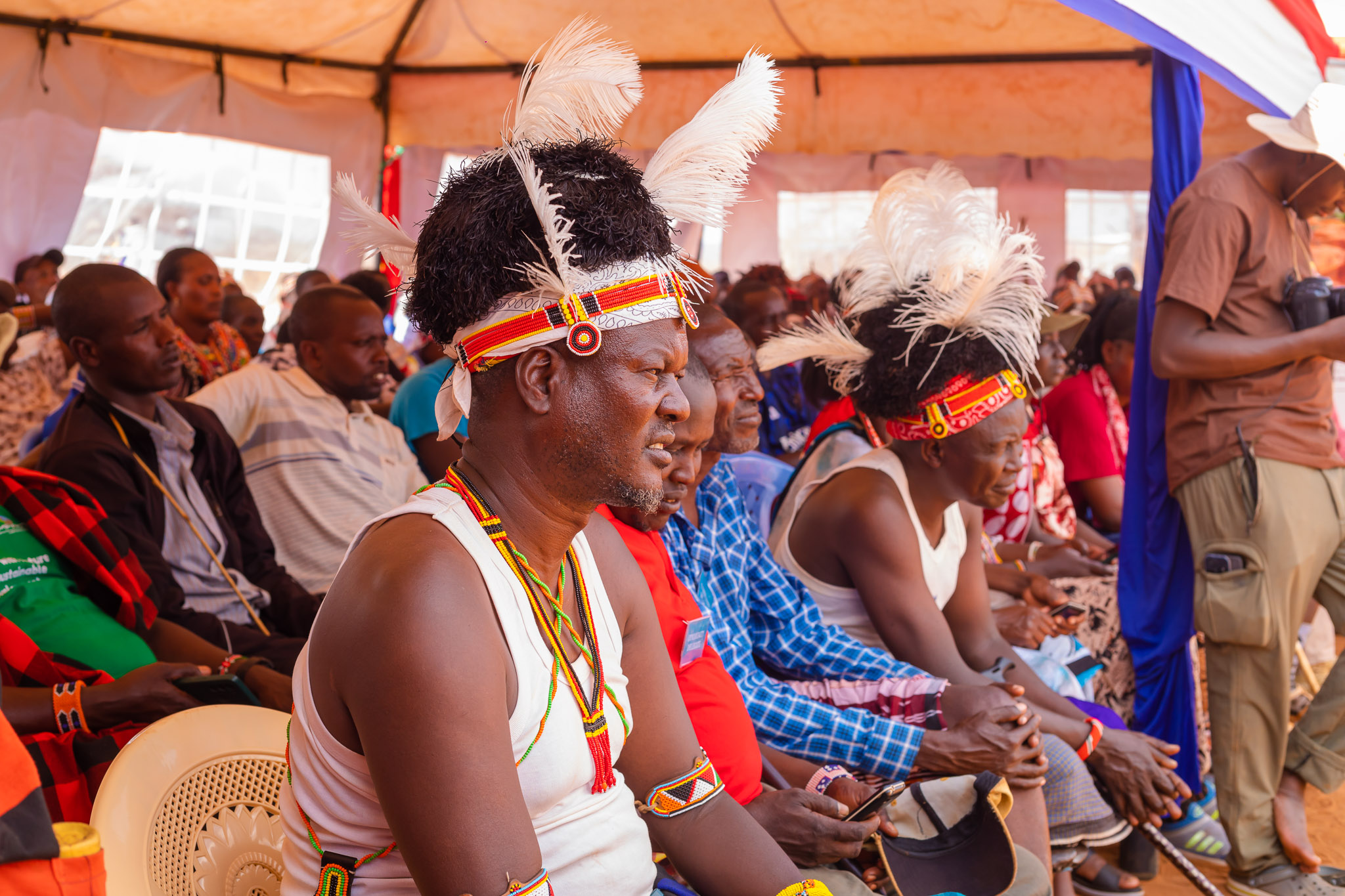
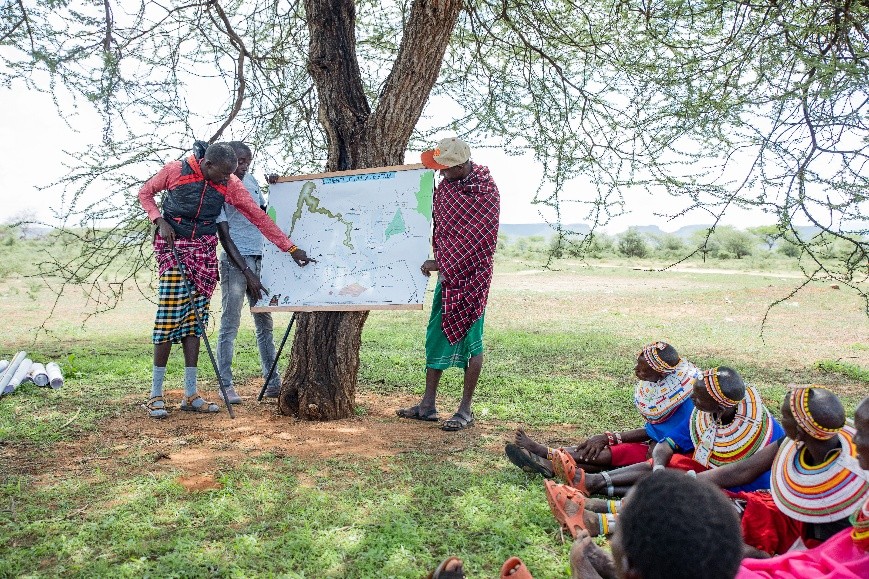
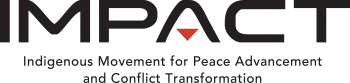
Amid the vast landscapes of Laikipia, these questions took centre stage. Community voices from Il Ngwesi, Lekurruki, Leparua, Nkutuk e Ngiron, and Naibunga Community Lands, including Murpusi, Il Polei, Munishoi, Nkiloriti, Musul, Kijabe, Tiamamut, Koija, and Il Motiok, gathered alongside diverse actors working at the intersection of land tenure rights, climate justice, conservation, and the equitable distribution of resources accruing from carbon credits for a grounded and timely dialogue.

Because to truly understand the promises and pitfalls of carbon initiatives, we must move beyond boardrooms and policy spaces into community landscapes, listening directly to those who live with, depend on, and protect these ecosystems. Much like in Maa tradition, where conversations held under a tree signify seriousness, openness, and collective reflection, this was no mere meeting but a pivotal convergence rooted in lived realities.

As carbon credits continue to gain traction globally, Kenya is emerging as a significant player, leveraging its rich ecosystems and expanding portfolio of climate initiatives. From landscape restoration to clean energy solutions, the opportunities are vast and promising.

However, as momentum builds, underlying concerns cannot be overlooked. Persistent questions around land ownership, fairness in benefit-sharing, access to information, and gaps in regulatory frameworks continue to shape how communities engage with these processes.

In the midst of this progress, a critical reflection remains: are these systems truly inclusive, and do they deliver meaningful value to the people on the ground?

A light moment emerged when a question was raised, what exactly is carbon? What is this “thing” that has attracted so much attention, investment, and global ambition?

It was at this point that a community member noted that it is difficult to meaningfully engage with something one does not fully understand. And in many ways, this brings us back to a fundamental concern: are communities truly aware of what carbon credits and carbon markets are, and what they mean for their land, livelihoods, and future?

A community member posed a question that strikes at the very heart of community sovereignty:

'If I rear a cow, nurturing it from birth until it reaches its prime, and then decide to sell it, who determines the price? The owner or the buyer?'

This is more than a matter of commerce; it is a trial of agency. If we permit the buyer to dictate the value of what we have bled to build, do we truly own the fruit of our labour? Or have we unknowingly become unpaid caretakers for a world that values our convenience more than our sacrifice?

We must confront the ultimate tension: who defines the worth of a life’s work—the soul who knows its history, or the stranger who only sees its end? This struggle for economic self-determination is not merely about the physical animal, but about the right of the producer to stand as a sovereign partner in the global market.

Perhaps it is this exact question that must guide the future of carbon markets. In this emerging economy, will communities be the ones setting the terms based on their ancestral stewardship, or will they merely be adapting to terms set by other actors? For sovereignty to be real, the “owner” of the land and its benefits must be the one who defines its value.

Inclusive and Rights-Based Approaches to Conservation and Development Short Course Launch.

THE OFFICIAL LAUNCH EVENT FOR THE SHORT CERTIFICATE COURSE ON:

Inclusive and Rights-Based Approaches to Conservation and Development; Indigenous Peoples in the African Context

IMPACT Kenya in partnership with the University of Nairobi (UON)

AT THE 25TH UN Permanent Forum on Indigenous Issues (UNFPII) 2026

Date

23rd April 2026

Time

12:00 – 14:00

Venue

3rd Floor, Jay Suites Grand Central 369 Lexington Avenue, New York

Overview:

IMPACT Kenya, in collaboration with the Institute for Development Studies at the University of Nairobi (IDS-UON), has co-designed a three-week course titled ‘Inclusive and Rights-Based Approaches to Conservation and Development: Indigenous Peoples in the African Context’.

This course addresses the urgent need for inclusive and just conservation practices in Africa that respect the rights, knowledge and contributions of Indigenous Peoples, in response to widespread human rights violations linked to exclusionary “fortress” conservation models. 

Such models have led to forced evictions, loss of ancestral lands, denial of FPIC, restrictions on cultural and subsistence practices, and gender-based violence, with many documented cases across Kenya, Tanzania, and the Democratic Republic of Congo etc,. International evidence shows that Indigenous stewardship fosters healthier ecosystems and more sustainable outcomes than state- or privately-led conservation approaches. The course will, therefore, equip participants with the knowledge and skills to design and implement conservation and development initiatives that honor Indigenous rights, integrate traditional knowledge and cultural practices, restore dignity, and ensure sustainable, equitable results.

This co-design process began in early 2024, guided by a tailored, in-depth, and inclusive participatory roadmap. It involved rigorous consultations and co-creation engagements to ensure the meaningful integration of diverse expertise, including the voices and contributions of Indigenous Peoples. Additionally, regional and international forums were leveraged to gather inputs and refine the curriculum, drawing on insights from Indigenous leaders, practitioners, and policy actors. This approach strengthened contextual relevance and enhanced the curriculum’s legitimacy and responsiveness to real-world needs.

The course:

The course aims to equip participants with practical skills, experiences, and knowledge to advance conservation models that respect Indigenous rights, recognize Indigenous knowledge, and promote equitable and sustainable outcomes.

It combines a 10-day tailored adult learning with a 5-day immersive fieldwork experience among Indigenous Communities, allowing participants to directly engage with Indigenous knowledge holders. The hybrid model blends theoretical and policy-based insights with lived realities, enabling participants to develop practical skills in indigenous-led conservation.

It explores 5 modules:

  • Module 1: Historical and contemporary context of Indigenous peoples in conservation
  • Module 2: Principles and frameworks for inclusive and rights-based conservation
  • Module 3: Indigenous-led approaches to biodiversity conservation
  • Module 4: Intersectionality in conservation practice.
  • Module 5: Applied experiential learning in Indigenous-led conservation

The course is designed for Indigenous leaders, conservation practitioners, development professionals, policy makers, academics, NGOs, and government representatives from Anglophone Africa. It will be delivered by a diverse faculty including Indigenous traditional knowledge holders, academics, human rights advocates, and conservation experts.

By the end of the course, participants will:

  • Emerge as champions of inclusive conservation, equipped to design and implement initiatives that uphold Indigenous rights, restore dignity, and deliver sustainable outcomes.
  • Contribute to global knowledge through the documentation and publication of their work as case studies, thus, building an evidence base and resource pool accessible to governments, donors, funders, and the wider conservation and development community.
  • Become part of a Community of Practice on Inclusive and Rights-Based Conservation, joining a pool of practitioners, experts, and Trainers of Trainers (ToTs) who collaboratively design, replicate, implement and advocate for inclusive conservation models, strategies, and frameworks that respond to pressing, context-specific challenges.

Overall, this course represents a transformative opportunity to embed Indigenous perspectives into conservation and development in Africa. It will provide the tools, networks, and vision to challenge exclusionary models, promote self-determination, and catalyze more equitable and sustainable stewardship of lands, resources, and biodiversity.

Opportunities for scalability and replication:

After the prove of concept has been attained, IMPACT will explore possible pathways for scaling and replication in various contexts through:

  1. Adoption of the course as an elective unit in mainstream Masters or Bachelor’s degrees
  2. Partnership with Francophone university to adopt the course to their own context and approach.
  3. Offering workshop-based learning on the sidelines of regional and global conferences

Get in touch with us:

Malih Ole Kaunga

Executive Director, IMPACT
olekaunga@impactkenya.org

Vivian Silole

Strategic Partnerships, Collaborations and Sustainability, IMPACT
vsilole@impactkenya.org

Grace Muraya

Coordinator, IDS-University of Nairobi

grace.muraya@uonbi.ac.ke

Partners

Restoring Hope: Galla Goats Revive Livelihoods in Northern Kenya

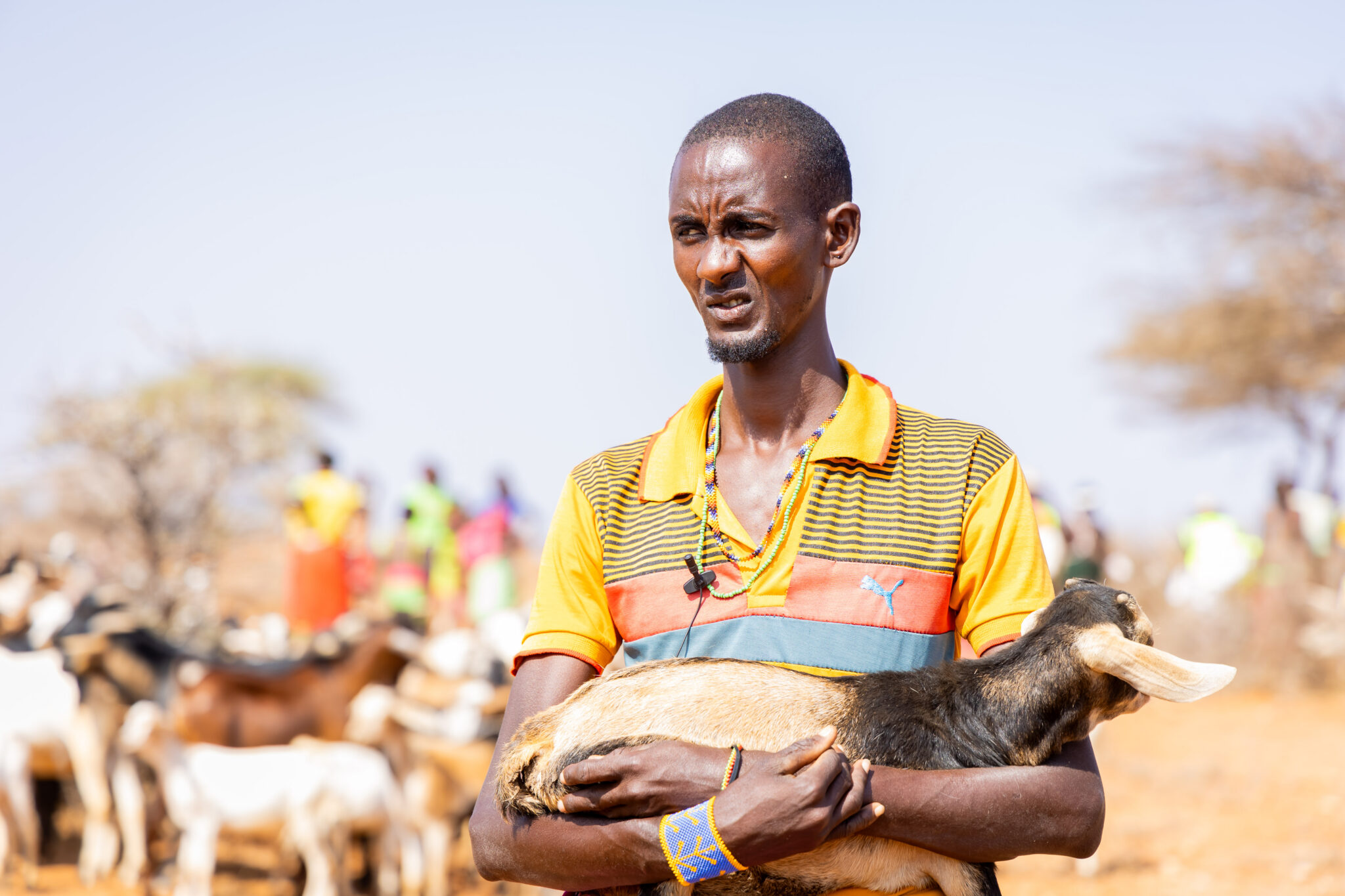
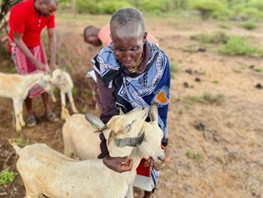
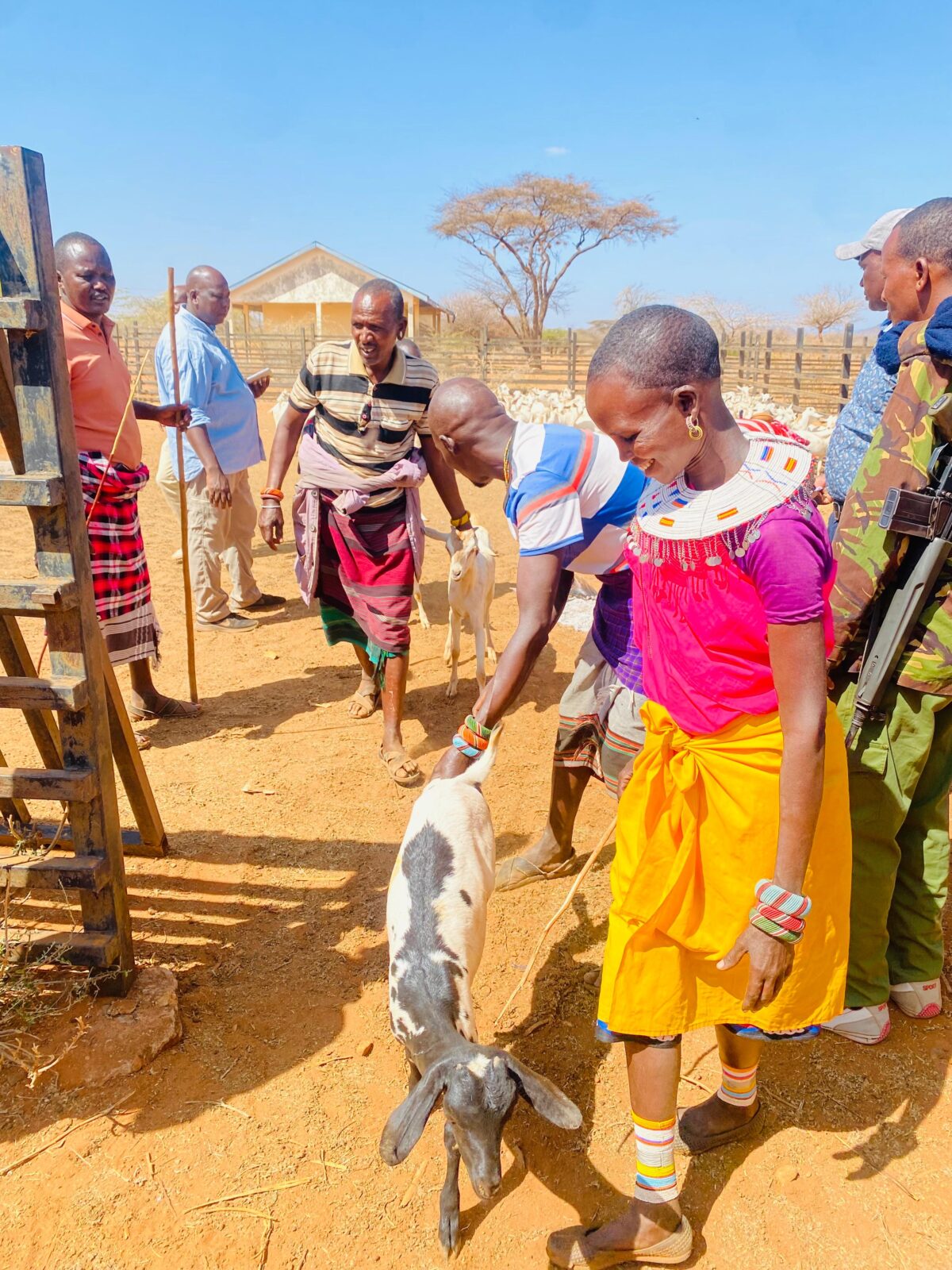
For many pastoralist families in Northern Kenya, prolonged droughts have had devastating effects, leading to significant livestock losses and economic hardship. To help communities rebuild, IMPACT, with support from Home Planet Fund, has distributed 600 Galla goats to 120 vulnerable households in Lpus, Ltirimin, Sesia and Nkaroni community lands in Wamba West ward, Samburu East. This initiative is not just about replenishing herds but also restoring hope and resilience.

The Struggles of Pastoralist Families

Drought has left many families struggling to maintain their traditional livelihoods. Florence Lemalusia, a resident of Ltirimin in Samburu East, witnessed her livestock perishing one by one. “Every morning, I feared going out to check on my animals, knowing I would find another gone,” she shared. Once owning a thriving herd, she was left with only a few animals as the drought took its toll.

Nashaki Lolngojine from Lodung’okwe village faced similar difficulties. She held onto her goats for as long as possible, only selling them when absolutely necessary. “Despite my efforts, I lost more than half of my herd within a year,” she recounted. For pastoralists like Florence and Nashaki, livestock is not just a source of income but a symbol of stability and survival.

Why Galla Goats?

The selection of Galla goats for this initiative is strategic. Known for their resilience in arid conditions, they grow quickly and provide both milk and meat, making them a sustainable option for rebuilding herds. According to Serianae Lenawualbene of IMPACT, “Galla goats adapt well to harsh climates and gain weight rapidly, making them a valuable asset for pastoral communities.” Their size, with some reaching up to 70 kg, enhances their market value, contributing to economic recovery.

Empowering Communities for a Sustainable Future

Each participating household receives five Galla goats, providing them with a foundation to gradually rebuild their herds. Since 2024, a total of 1,540 Galla goats have been distributed in Laikipia, Samburu, and Isiolo counties, benefiting over 300 households.

IMPACT’s initiative extends beyond livestock distribution. By equipping families with resilient animals, the program promotes long-term food security, financial stability, and climate adaptation. The gratitude expressed by the beneficiaries and community leaders underscores the profound impact of this support.

Through collective efforts, we are fostering a future where pastoralist communities can thrive despite environmental challenges.

Transforming Northern Kenya rangeland: A Community-Driven Ecological Restoration Initiative

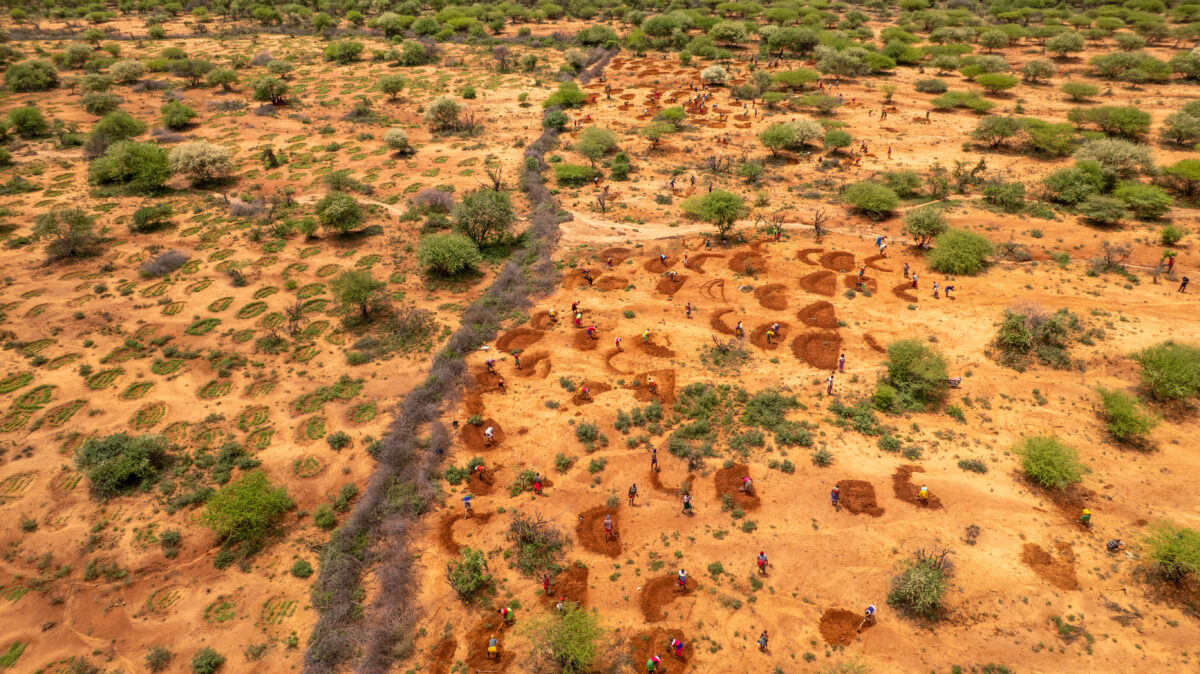
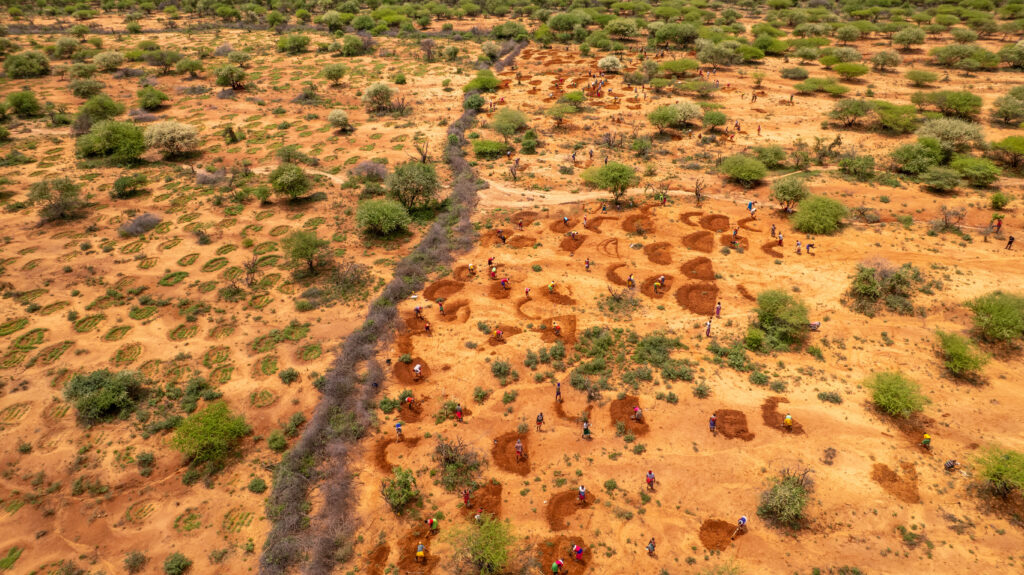
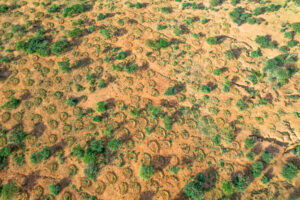
The ecological restoration initiative in Northern Kenya stems from a critical need to address the region’s growing environmental challenges, including persistent droughts, land degradation, and the spread of invasive plant species like Opuntia stricta and Prosopis juliflora. Historically, the area was characterized by rich grasslands that supported both wildlife and pastoral livelihoods. However, over the years, land degradation has led to reduced forage availability, soil erosion, and declining biodiversity, which in turn threaten the livelihoods of local communities that depend on the land for pastoralism and agriculture. The situation necessitates urgent action to restore the environment, ensure sustainable resource management, and build the resilience of these communities against the growing impacts of climate change.
Local communities in Northern Kenya are now leading a transformative ecological restoration initiative, blending traditional knowledge with modern practices to rejuvenate their rangelands and empower residents.

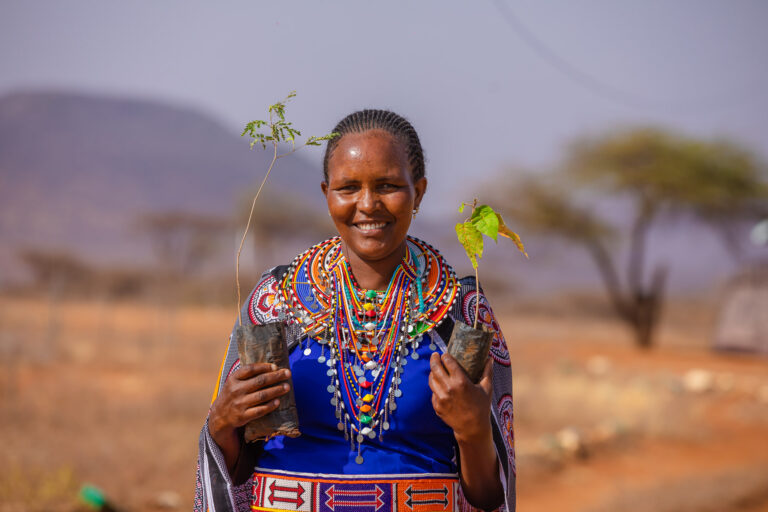
IMPACT Kenya, an Indigenous Peoples’ organization, plays a pivotal role by partnering with community land management committees, cultural leaders, women, and youth across Laikipia, Samburu, Isiolo, and Marsabit counties. Through awareness campaigns and hands-on training, it has engaged 1,550 individuals across ten community lands covering more than 150,000 acres, resulting in the successful restoration of 800 acres through reseeding efforts and the establishment of demonstration sites for drought-resistant fodder. Importantly, water management initiatives rehabilitated six boreholes and constructed a new one to ensure reliable water access, encouraging grazing in the rangeland. This initiative showcases the environmental and economic benefits of sustainable practices, paving the way for a resilient future.

In Samburu County, the Nkaroni community exemplifies this grassroots movement. Together, they have tackled invasive species and reseeded degraded grasslands. Their efforts have not only revived local ecosystems, bringing back wildlife like antelopes and diverse bird species, but also fostered a profound sense of unity and purpose.

As 2024 came to a close, the Nkaroni community celebrates their achievements, reflecting on the ecological recovery and renewed hope they have cultivated. Their collaborative spirit and dedication serve as a beacon of resilience, demonstrating that meaningful change begins at home.

The Camel Caravan 2023

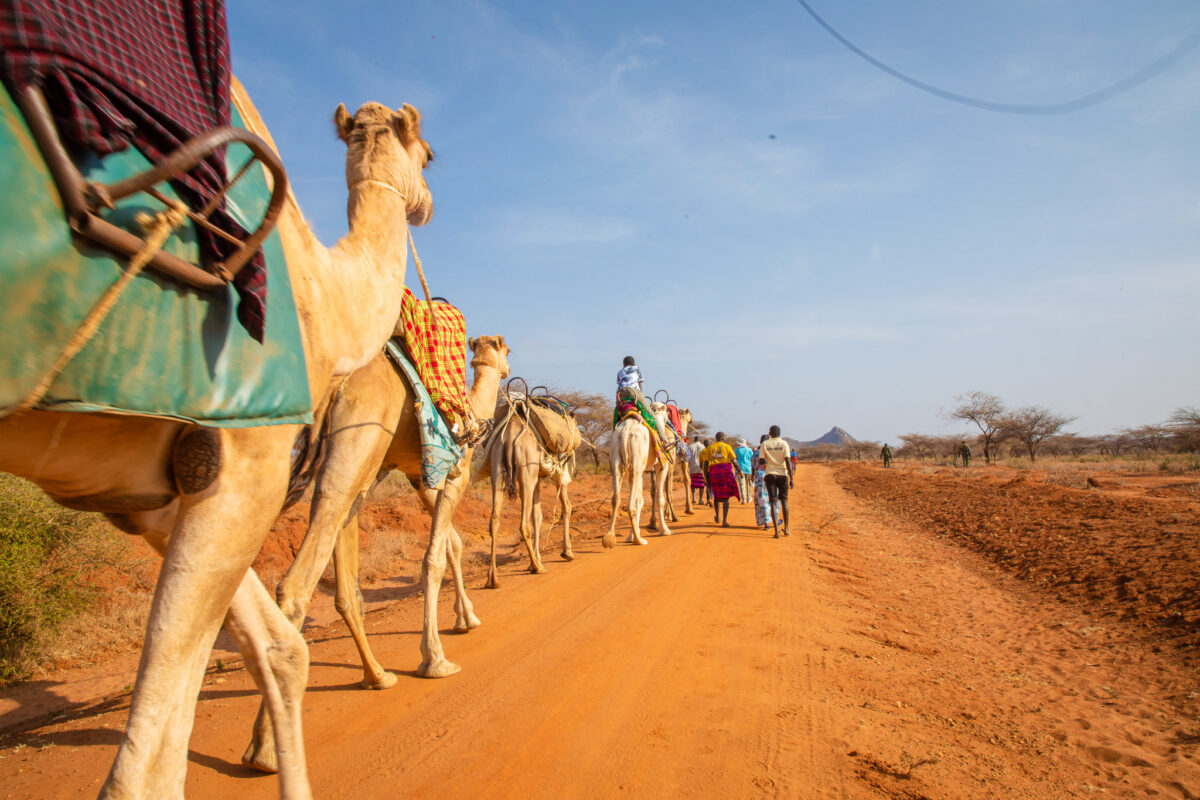
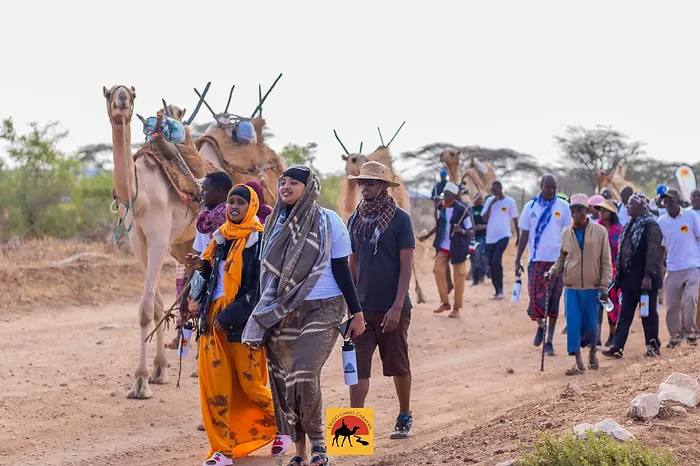
In the wee hours of the 4th of August 2023, a group of community members, planning organizations, the media and allies started a 6-day walk from Gafarsa in Isiolo County to Archer’s post in Samburu county, a 155kilometers distance as we collectively advocated for the Restoration and Conservation of the Ewaso Ng’iro River.

Ewaso Ng’iro Basin is the second largest basin in kenya after tana, it cuts across ten counties and more than 10million people depend on it. It is inextricably intertwined with the culture and heritage of the communities and thus unifies and divides them in the basin in equal measure. These communities have managed to conserve and sustainably use the resources within the basin using Indigenous traditional knowledge over the years, but in this period of increasing human population, large-scale agricultural activities, infrastructure development, and climate change, the river dries up, gets polluted, and is contested.

Climate change has led to an increase in the frequency and intensity of natural disasters, natural resource scarcity, and environmental degradation. Water users, including communities, livestock and wildlife, the public sector, and corporate entities, both upstream, midstream, and downstream, often lack a shared understanding of the threats facing the river system and fail to effectively collaborate around integrated water resources management. This has led to conflicts and an escalation of the threats facing river systems.

Before our departure, we planted trees at Gafarsa Mixed Secondary School and flagged off the 11th edition of the most prestigious annual event “THE CAMEL CARAVAN” with blessings from elders of the Borana community of Isiolo County. On the first day, we walked 20 km to Mbarambate where we camped at the shores of the Ewaso Ng’iro River engaging community members in discussions and sensitizing them on the importance of the protection of their shared natural resources. We also addressed the challenges facing the Ewaso Ng’iro River causing the drastic water flow reduction and we together forged ways of restoring the ecosystem; the communities from all the corners camped cooked and ate together as a symbol of peace and unity. These activities were carried out at every stopping point during the walk.

On the 2nd day, we walked a distance of 34kms to Malkadaka where we set camp at Malkadaka primary school and engaged community members and later showed them a video of the previous Camel Caravans to show the decline of the river over the years.This will make communities understand the urgency of the protection ,restoration and conservation of the river that is their main source of water.


On the 3rd day we walked a distance of 23kms from Malkadaka to Gotu where we camped at Camp Simpirre – a culture and indigenous knowledge documentation and publishing center. Dr Hussein Isack the founder took us through the developed information knowledge banks from where current and future generations can retrieve their ancestral indigenous knowledge that will help them go back in their communities’ historical timeline and recreate their diminished languages and cultural practices documented and archived in print and electronic formats. We later held community engagements and watched documentaries.


On the 4th day we left Gotu for camp funan a distance of 5okms which we had to be carried by vehicles through Shaba Game Reserve to avoid any conflict with wildlife. We camped in the wild to enjoy the serenity and experienced the fulfillment in interaction with nature to remind us the importance of conserving our resources.

On the 5th day we walked 20kms to KWS Complex in Archers post where we had cultural music and dance from indigenous local communities’ musicians ahead of the World indigenous people’s day to be held the following day. The dances and music were to remind us of our diversity which should be a source of our pride and strength as indigenous people. Messages of peace and conservation were shared as a reminder of how we have always lived in harmony with nature and one another.

On 9th August 2023 which was the 6th day of the Camel Caravan walk, we marked the World Indigenous People’s Day. All communities who benefit from the Ewaso Ng’iro River gathered at Archers Post to discuss ways in which they can collectively work together to save the already dying river, which will also help in solving the ongoing conflicts over natural resources. The presence of government officials and or state agencies in the celebration provided an interactive session whereby they were challenged to be our eyes at top-level meetings and conferences and advocate for equal sharing of shared resources like the Ewaso Ng’iro River and also push for policies that help the indigenous communities.

World Water Day 2023: Inclusive conservation accelerating change in the Ewaso Ng’iro River Basin

Water is our most important resource and all life on Earth depends on it. Despite its importance, water is becoming far more scarce, as regional sources disappear or are depleted. At the moment, forty percent of the world’s people are being affected by water scarcity and, if not addressed, some 700 million could be displaced by 2030 in search of water.

As a subproject of the Inclusive Conservation Initiative (ICI), a Global Environment Facility (GEF)-funded initiative co-implemented by Conservation International and IUCN, at IMPACT we recognize that to build resilience against climate change and to serve a growing population, an integrated and inclusive approach must be taken to managing this finite resource. This World Water Day, celebrated under the theme” Accelerating change to solve the water and sanitation crisis”, we reflect on water scarcity here in Kenya and on the importance of the Ewaso Ng’iro River in tackling this issue and in supporting our livelihoods.

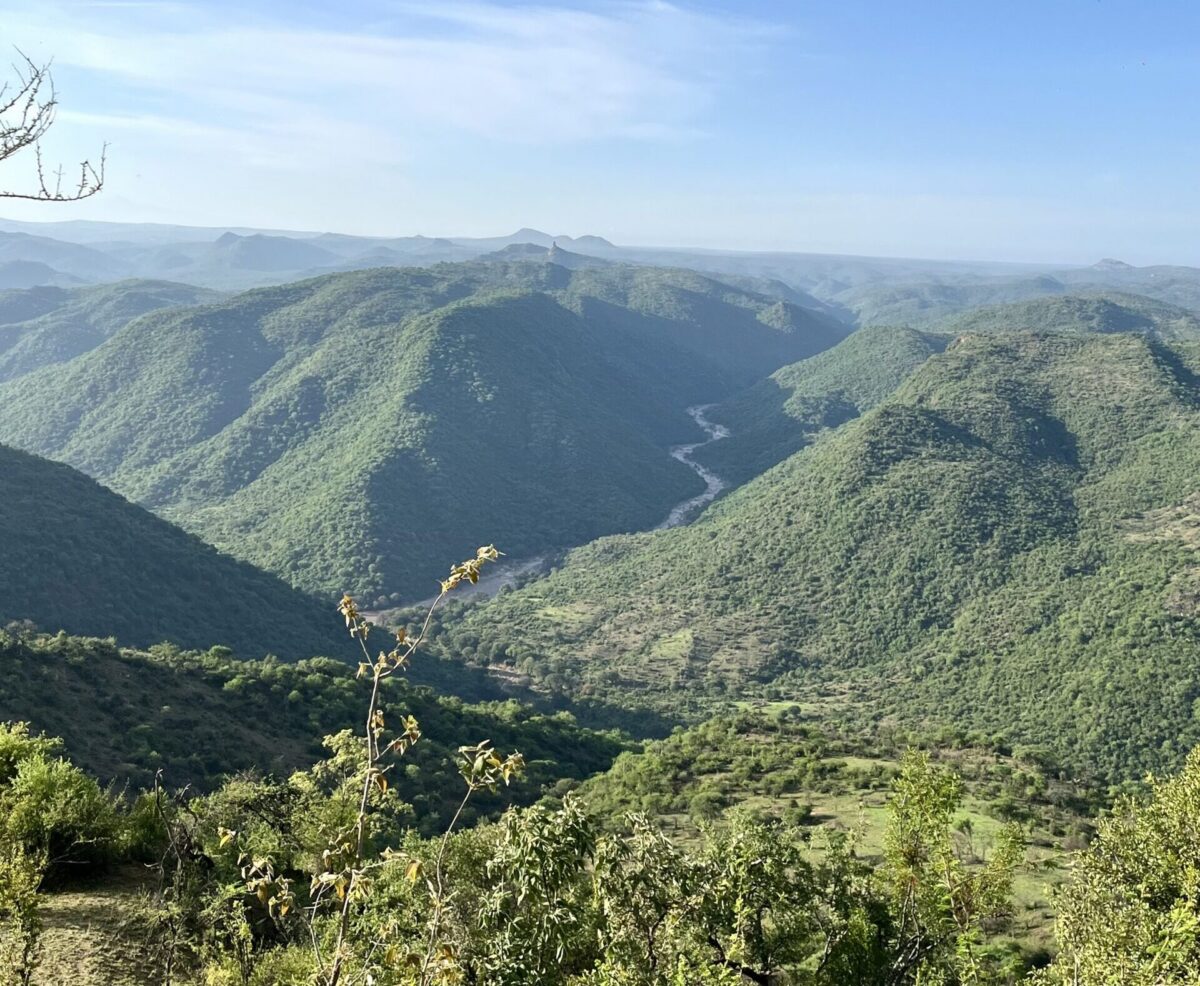
The Ewaso Ng’iro River …Photo credits: IMPACT

Water is a finite resource and should be used sustainably by the present for the future generation. We Indigenous pastoralists understand this and have been great stewards of water sources, the most important one being the Ewaso Ng’iro River, which supports our way of life.

The Ewaso Ng’iro River stretches from the North-Western slopes of Mount Kenya and the Aberdares ranges, through the Laikipia plateaus to the arid and semi-arid lands of Northern Kenya, covering about 10 counties, and flowing for about 445 miles (716 km) before emptying into the Lorian Swamp, rejuvenating River Juba and draining into the Indian Ocean.

The river basin supports more than 3.6 million people in our territory, 70% of which are Indigenous pastoralists, and is a source of revenue for our agro-pastoral and pastoral communities.

Tackling water scarcity in Kenya….Photo credits: IMPACT

For our communities, the river basin and its tower are a critical resource in addressing water scarcity issues and supporting the economic growth of the Northern drylands. They supply us with fresh water, conserve biodiversity and ecosystems, regulate local climate, and support our livelihoods.

The river also has sentimental value to us in Northern Kenya. In our Indigenous worldview, the river is intertwined with our culture and heritage. Historically, we have managed and protected the river using our Indigenous traditional knowledge through various cultural practices, communal sharing, and sustainable use of the resources within the basin.

We refer to water as ‘Enkare o lowuaru’ (wild animal water), to signify that water is found in the wild and belongs to all, including plants and wildlife, and thus we believe that nobody should own it and that instead everyone should share whatever is available for the benefit of all.

The river as a source of water to support livelihoods….Photo credits: IMPACT

The Ewaso Ng’iro River is used by farming communities upstream, agro-pastoralists midstream, and pastoralists downstream, and by wild animals and plants alike. It is of paramount importance for our pastoralist way of life, from providing domestic and livestock drinking to supporting our cultural practices, such as the Maa rites of passage. When we perform these rites, we draw water from the river, mix it with milk, and splash it onto those involved to drive away evil eyes, cleanse, or as a unifying factor for our community.

The Ewaso Ng’iro River ecosystem is also home to significant sacred sites and ceremonial plants that have important meanings for our pastoralist communities living along it. Among them is the Reteti (Ficus wakefieldii), a sacred plant which grows at the banks of the Ewaso Ng’iro river and its tributaries. Our Maa community makes sacrifices under this plant and we consider it to be so sacred that even the plants that surround it can’t be cut because in our culture harming a tree is believed to bring curse on oneself. Another sacred plant for us is the Loperia/lpeeri (Cyperus papyrus), which is used by women during their traditional convergence meeting and ritualprayers that we call olamal loo nkituak in Maa language (in Samburu it is known as Ntorosi). The plant is carried and attached to special gourds, and the women in our community use it to splash milk into the Ewaso Ng’iro River as they pray. Water is sacred and is used in several rituals and ceremonies for blessings.
Preserving the Ng’iro River and its water resources…Photo credits: IMPACT

Over the years, our communities have used Indigenous traditional and ecological knowledge, which includes traditional seasonal calendars, well-managed settlement plans, and grazing systems with distinct wet and dry season areas, to manage the Ewaso Ngiro Ecosystem as a shared resource.

During periods of acute droughts, our communities had to utilize tree leaves for fodder. Since in our Indigenous cultur we believe that trees are alive, we are not allowed to cut live trees, so our communities gathered the fodder by pruning and cutting the tree’s branches, and they ensured that a branch was left on every tree to breathe and continue living.

Thanks to these traditional practices, we have ensured the protection of the basin and managed to support the livelihood of our communities. The dying of the Ewaso Ng’iro river, however, is threatening the existence of the sacred tree species growing around the basin, the co-existence between communities and wildlife, and our livelihoods and cultural practices.

To tackle these challenges, we will be working through the Inclusive Conservation Initiative (ICI) to promote the revitalization of the basin’s ecosystem by encouraging our communities to fully embrace and bring back our traditional best practices and by strengthening the existing traditional systems and structures that govern them

By Silole Malih, Ramson Karmushu, and William Naimado (IMPACT Kenya)
The Joy of Nashipa Ramat Women

On the eve of 5th November 2022, 25 members of Nashipa Ramat gathered in a joyous mood at the much anticipated Village Savings and Loaning Association share out at their usual group meeting point. The women have been contributing on a weekly basis despite the ravaging

drought situation witnessed in Laikipia North Sub-County. Their contributions have been generated from selling of indigenous chicken, beads, charcoal and manure.


IMPACT takes satisfaction in having taught Nashipa Ramat women group on the VSLA concept and how to create bi-laws for their groups, group dynamics and governance, record keeping and share out calculations. From the training the women agreed to have a weekly contribution of ksh.100 per person, social fund of ksh.50 per person which was meant to cater for any unforeseen emergencies that may arise such as child birth and rites of passage amongst others.


The women shared out ksh. 140,625 which they had saved for a period of a year, the member with highest shares took home ksh. 15,200 whereas the member with the lowest shares took home ksh.1, 240.


Due to the ongoing drought situation at the moment, the members decided to use the social fund contributed to purchase for food items, since most of the members had raised the concern of lack of food at their homes due to low livestock prices at the market and high cost of living .Each group member took home 3kgs of maize flour, 2 kgs of Rice and 1 liter of cooking oil.

The women were encouraged by this share out to continue saving , since this new culture of saving has really touched and transformed their lives to the point of earning respect from their husbands an the community at large.

The East Africa Indigenous People Land Summit 2022 (21st–25th November)

Last year IMPACT in collaboration with other development partners convened the first ever Community Land Summit which brought together the voices of communities from 24 counties with undissolved communal lands as identified by the Ministry of Lands and Physical Planning, it brought together government actors and other stakeholders to discuss on the community land registration processes five years after the enactment of the CLA 2016.


The 24 Counties with communal lands reviewed the CLA 2016 through evidence and experiences,this went along way ensuring that amendments are informed by experiences of the piloted communities and the bottle necks on the implementation of the CLA2016. The summit created a platform that strengthened the existing CLA2016 champions and sustained the land reforms agenda. Communities presented their petitions to the duty bearers on the glaring gaps in the Community Land Act, 2016 .After the summit different stakeholders took up their responsibilities and we have since seen a rise in the number of community lands with title deeds.


It was out of this summit that CLOAK (Community Land Owners Alliance of Kenya) was born; an umbrella that advocates for recognition, respect, and protection of community land rights and promotes sound and sustainable community land management and conservation practices that respect cultural values and beliefs while guaranteeing equitable sharing of benefits among its community members.


Through CLOAK community land management committees, women champions, and vocal community leaders come together to address the common overarching challenges affecting the pastoralist communities in Kenya. It also influences policy decisions at the national level, advocates for pastoralist-friendly policies at the county level, engages and negotiates with private ranches for grazing during drought seasons, advocates for registration of community lands, monitors compulsory land acquisition processes, and operations of the extractive industries.

It was during the first Community Land Summit that it was decided it will be a premiere global annual land event that brings together all stakeholders to advocate and champion for communities to amplify their voices, and bring together all stakeholders to share experiences, and take practical actions that ensure the rights of communities and indigenous people are protected.


The 2nd edition of the Community Land Summit is coming up in a week and this time its cutting across Africa. Co-convened by IMPACT Kenya and PARAN Alliance in collaboration with other partners ,the event dubbed “The East African Indigenous Peoples’ Land Summit 2022” will be held under the theme: Amplifying Collective Voices of Indigenous Peoples through Inclusive Dialogues and Learning to Enhance Land Rights for Livelihoods and Conservation in East Africa. The Summit will build on the success of the first Community Land Summit in Kenya held in December 2021 in Nanyuki Town, Kenya.


The event is set to bring together Indigenous People; pastoralist and hunter-gatherer communities from Eastern Africa (Tanzania, Kenya, Uganda, Ethiopia, DRC, Rwanda, and Burundi) to share and learn from each other on current issues affecting them, directly engage policy makers from governments, regional and sub-regional governmental organizations including AU and RECs, CSOs, the private sector other actors; and together forge the way forward towards addressing those challenges. Over 200 IPs community delegates from East Africa, high-level representatives from the Africa Union, Regional economic communities, National and county Governments, Development actors, Civil Society Organizations (CSOs), the Private sector, researchers and academia are scheduled to attend. The summit will adopt inclusive and consultative dialogues, cultural exchanges, discussions, plenary and other innovative approaches to ensure the effective engagement of all participants.

Indigenous Peoples’ and Local Communities’ Kigali Pre-congress

IMPACT together with the ICCA Consortium co-organized a pre-congress for Indigenous Peoples and local communities from 16th -17th July, ahead of the IUCN Africa Protected Areas Congress in Kigali,Rwanda. More than 150 people participated in this important preparatory workshop which aimed to: shine a spotlight on how Indigenous Peoples and local communities are conserving a significant proportion of the world’s biodiversity and nature through their self-determined cultures, ways of life and governance systems; to discuss experiences, challenges, opportunities, and recommendations for appropriate recognition and support for the communities’ self-determined priorities for their collective lands, waters, and territories; to discuss strategies for advancing the movements for conservation justice and collective land, territorial, and tenure and resource rights in the context of nature conservation including the proposed 30×30 target; and to support Indigenous and community representatives to prepare for participation in the main IUCN Congress.

The IPLCs came up with a declaration (see attached below) which was presented at the main African Protected Areas Congress.


The Caravan Camping Affair

The Camel Caravan walk came to an end on Thursday the 23rd of June with so many experiences and lessons, the 5-day walk included camping in communities at night which was fun. As an outdoor accommodation, socializing was part of it with entertainment and

sharing of experiences by people from different areas, engaging them fully about the issue of the common shared resources. Those from upstream and downstream got a chance to share valuable insights while socializing, this would eventually help stimulate responsible management of resources in a sustainable way.

There were adequate hired tents, however, some challenges were faced during camping concerning the status of the tents. The tents were not in very good condition with several old ones that are torn or broken, some were however good. That resulted in some very cold nights and flooded tents when it rained, people eventually ended up sleeping in classrooms at Olmaisor primary school whose administration was kind enough to come to our aid upon request.


It was an honor to be hosted by the school and given a place to sleep, despite being on a weekday with pupils expected early in the morning, it was a good sign of a great hospitable community and recognition of the noble work the Camel Caravan walk is doing, together with the teachers and pupils we took the initiative of planting trees at the school before we left the following morning.


Part 1…..