Search
Close this search box.

The Carbon Question from the Grassroot Level

The Carbon Question from the Grassroot Level

Could carbon be the new “elephant in the room”, a global pursuit where everyone seeks a stake in, yet few are willing to confront the uncomfortable questions it leaves behind?

Carbon markets are rapidly gaining momentum, presenting economic, environmental, and social opportunities. But as this wave accelerates, a critical question remains: are the stewards of the land rightfully, meaningfully and equitably included? Are communities stakeholders, or merely beneficiaries on their own land and from their own sources of revenue?

A sentiment from the ground captures this tension vividly:

“Carbon ni ya wenye nguvu, ni ya wenye wanajua kupigana na wanaweza leta vurugu ndio wanyamazishwe na pesa, sisi wengine wote tunapewa mia mia kwa mikutano ya Free, Prior and Informed Consent (FPIC)”

Which translates to: “Carbon is for the powerful, for those who know how to fight and can cause chaos so they can be silenced with money. The rest of us are just given small token amounts during the Free, Prior and Informed Consent (FPIC) meetings.”

This reality raises deeper questions: Is the approach truly bottom-up, or is it still top-down in practice? And is FPIC a meaningful participatory process or sometimes reduced to a box-ticking exercise meant to arrive at a quick “yes” or “no”?

Ideally, Free, Prior and Informed Consent is not a procedural formality. It is a lived and ongoing process, one where communities receive information early, understand it fully, internalize it, and are able to give informed feedback without pressure, rush, or manipulation.

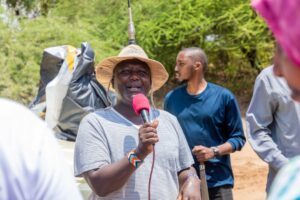
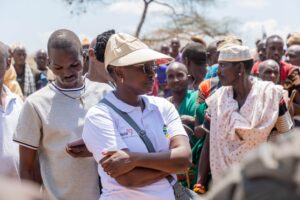
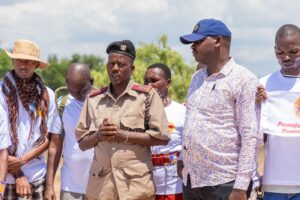
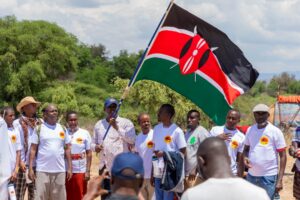
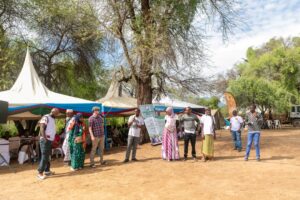
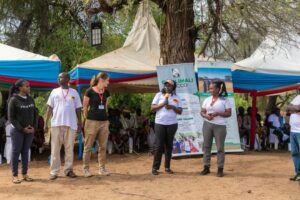
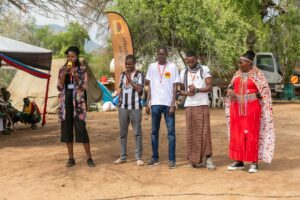
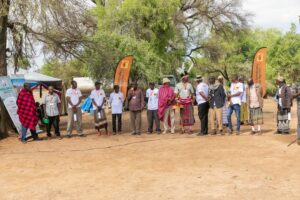
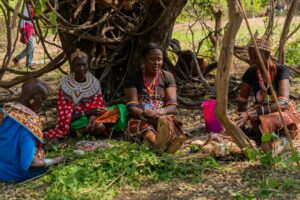
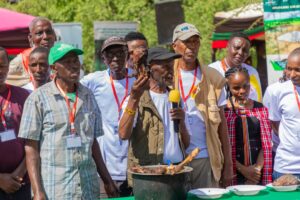
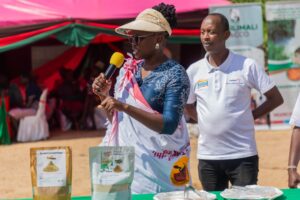
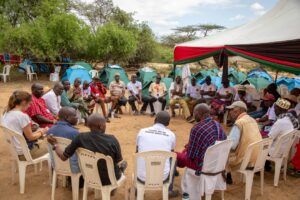
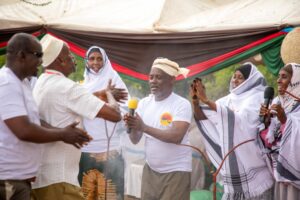
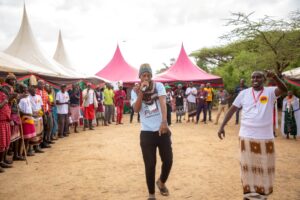
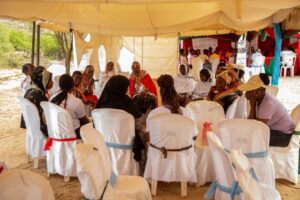
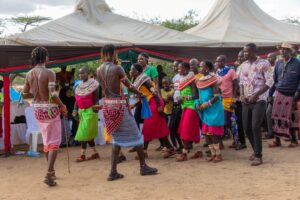
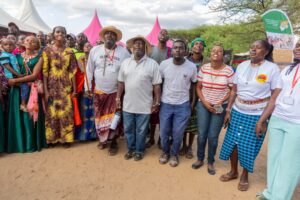
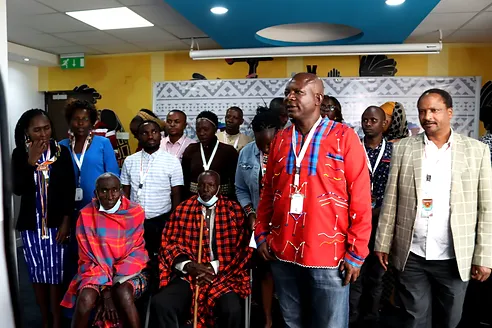
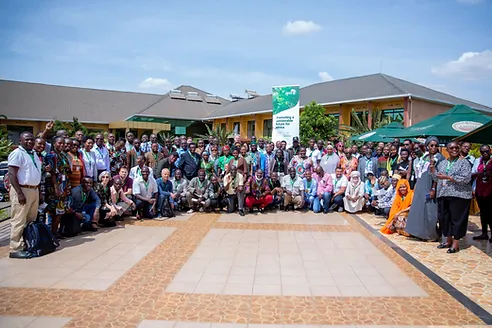
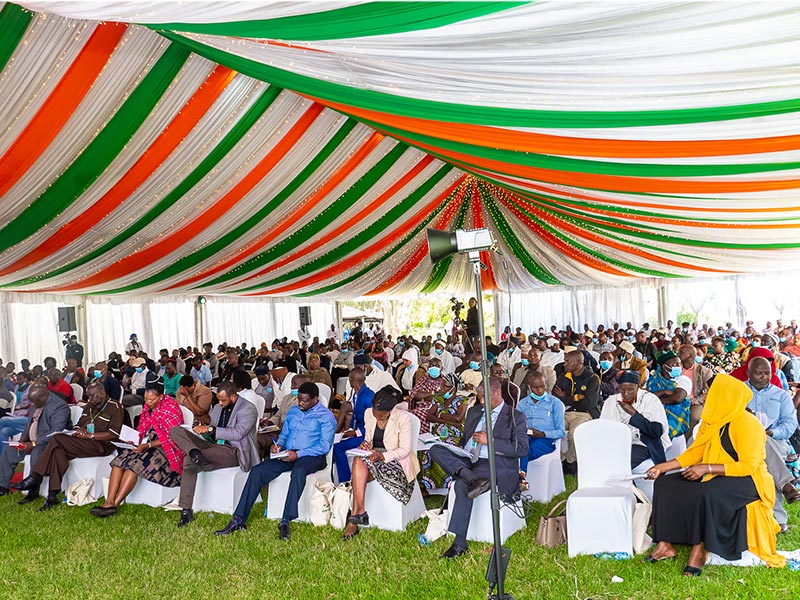
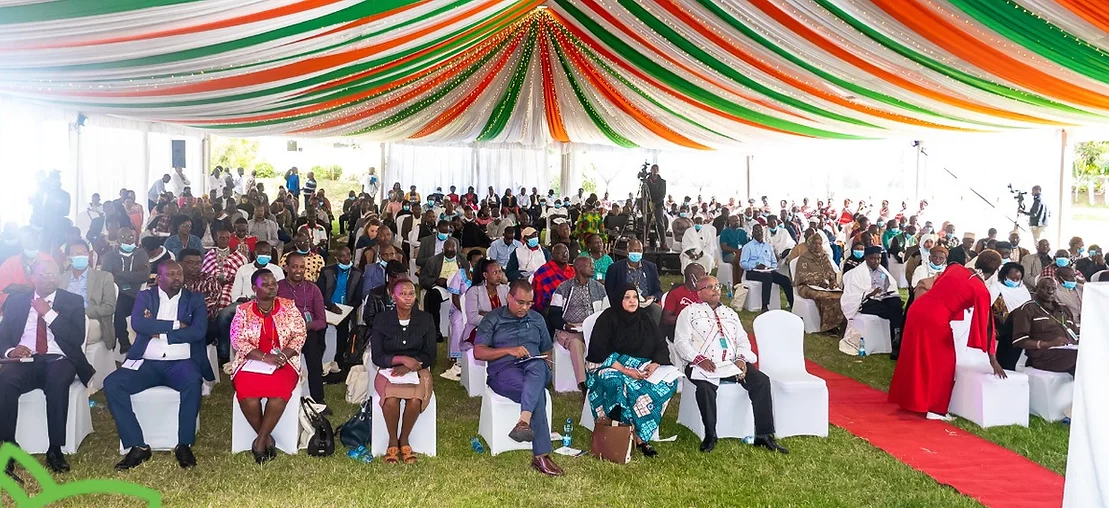
Amid the vast landscapes of Laikipia, these questions took centre stage. Community voices from Il Ngwesi, Lekurruki, Leparua, Nkutuk e Ngiron, and Naibunga Community Lands, including Murpusi, Il Polei, Munishoi, Nkiloriti, Musul, Kijabe, Tiamamut, Koija, and Il Motiok, gathered alongside diverse actors working at the intersection of land tenure rights, climate justice, conservation, and the equitable distribution of resources accruing from carbon credits for a grounded and timely dialogue.

Because to truly understand the promises and pitfalls of carbon initiatives, we must move beyond boardrooms and policy spaces into community landscapes, listening directly to those who live with, depend on, and protect these ecosystems. Much like in Maa tradition, where conversations held under a tree signify seriousness, openness, and collective reflection, this was no mere meeting but a pivotal convergence rooted in lived realities.

As carbon credits continue to gain traction globally, Kenya is emerging as a significant player, leveraging its rich ecosystems and expanding portfolio of climate initiatives. From landscape restoration to clean energy solutions, the opportunities are vast and promising.

However, as momentum builds, underlying concerns cannot be overlooked. Persistent questions around land ownership, fairness in benefit-sharing, access to information, and gaps in regulatory frameworks continue to shape how communities engage with these processes.

In the midst of this progress, a critical reflection remains: are these systems truly inclusive, and do they deliver meaningful value to the people on the ground?

A light moment emerged when a question was raised, what exactly is carbon? What is this “thing” that has attracted so much attention, investment, and global ambition?

It was at this point that a community member noted that it is difficult to meaningfully engage with something one does not fully understand. And in many ways, this brings us back to a fundamental concern: are communities truly aware of what carbon credits and carbon markets are, and what they mean for their land, livelihoods, and future?

A community member posed a question that strikes at the very heart of community sovereignty:

'If I rear a cow, nurturing it from birth until it reaches its prime, and then decide to sell it, who determines the price? The owner or the buyer?'

This is more than a matter of commerce; it is a trial of agency. If we permit the buyer to dictate the value of what we have bled to build, do we truly own the fruit of our labour? Or have we unknowingly become unpaid caretakers for a world that values our convenience more than our sacrifice?

We must confront the ultimate tension: who defines the worth of a life’s work—the soul who knows its history, or the stranger who only sees its end? This struggle for economic self-determination is not merely about the physical animal, but about the right of the producer to stand as a sovereign partner in the global market.

Perhaps it is this exact question that must guide the future of carbon markets. In this emerging economy, will communities be the ones setting the terms based on their ancestral stewardship, or will they merely be adapting to terms set by other actors? For sovereignty to be real, the “owner” of the land and its benefits must be the one who defines its value.

Community Acoountability Forum 2025

A Gathering of Wisdom and Unity:
IMPACT Kenya’s Indigenous Accountability Forum
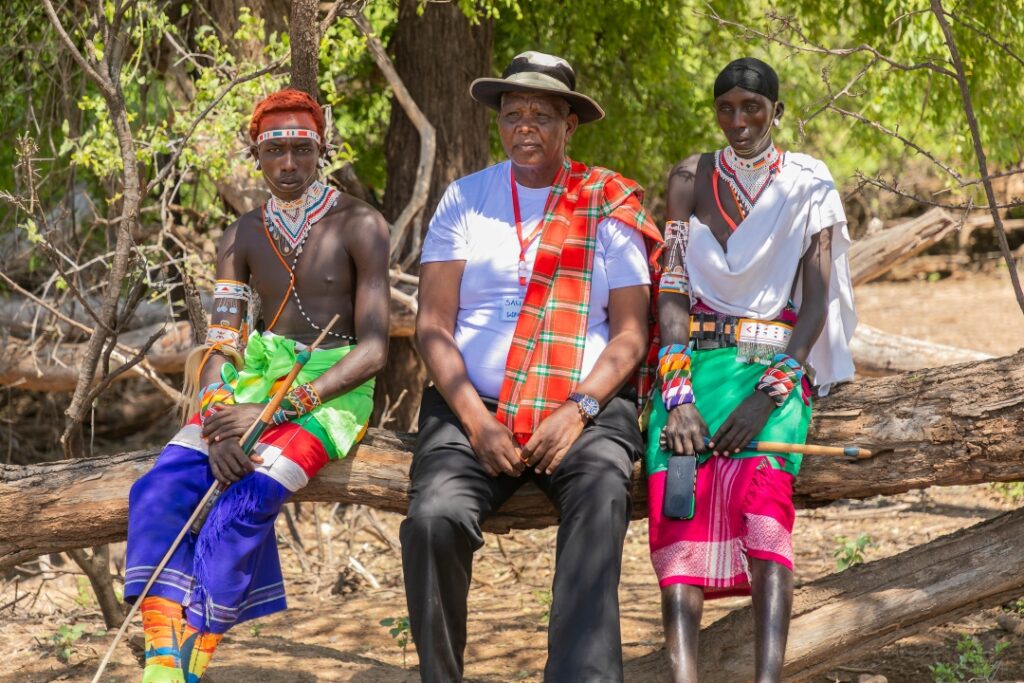
For generations, we have carried the knowledge of our ancestors—how to live in harmony with the earth, resolve conflicts through dialogue, and protect what is sacred. Now, as the world changes, we must ensure our voices guide the decisions that shape our futures.

IMPACT Kenya invites you to join the Indigenous Social Accountability Forum, a gathering rooted in respect, transparency, and collective action. From 25th to 28th February 2025, we will come together—elders, youth, leaders, and partners—to strengthen our communities and hold each other accountable.

The Program: A Time for Listening and Learning

Day 1 (25th Feb): Arrival and Welcome

  • Afternoon: Participants arrive at IMPACT Kenya Head Office.

Day 2 (26th Feb): Sharing Truths

  • Morning: Traditional prayers and songs to open the day.
  • Presentations: IMPACT staff will explain their work across counties—land rights, climate resilience, and peacebuilding.
  • Community Dialogue: Open session for questions and feedback. Share your thoughts directly with IMPACT leaders and Government leaders.
  • Afternoon: Responses from IMPACT and Government.

Day 3 (27th Feb): Planning Together

  • Morning: Discussion of IMPACT’s 2025 plans for each county. Your recommendations will shape these projects.
  • Midday: Closing ceremony with commitments from leaders and partners.
  • Afternoon: Shared lunch and farewells.

Day 4 (28th Feb): Departure

  • Morning: Final reflections and agreements. Participants depart with renewed connections and shared goals.

Who Will Be There?

  • Community Representatives from Laikipia, Samburu, Isiolo, and Marsabit.
  • Government Leaders from various departments.
  • Trusted Partners who walk alongside us in this work.

Why This Matters

  • Accountability: Ensure resources reach those who need them most.
  • Unity: Strengthen bonds between communities, leaders, and allies.
  • Legacy: Pass on a framework for fairness to future generations.

Join Us

This forum is not ours alone—it belongs to every person who believes in justice and respect for Indigenous peoples. Whether you attend or share the message, your role matters.

Venue: IMPACT Kenya Head Office
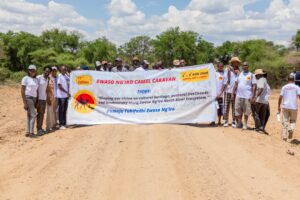
Camel Caravan 2024

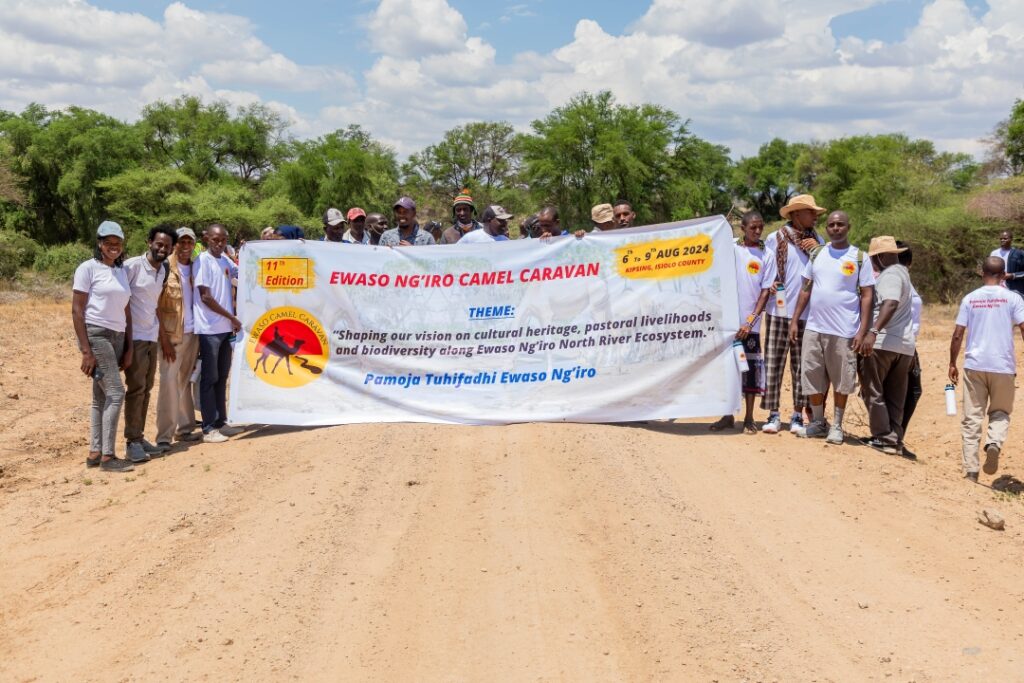
Ewaso Ngiro Camel Caravan 2024

"Shaping our vision on cultural heritage, pastoral livelihoods and biodiversity along Ewaso Ngiro North River Ecosystem.”

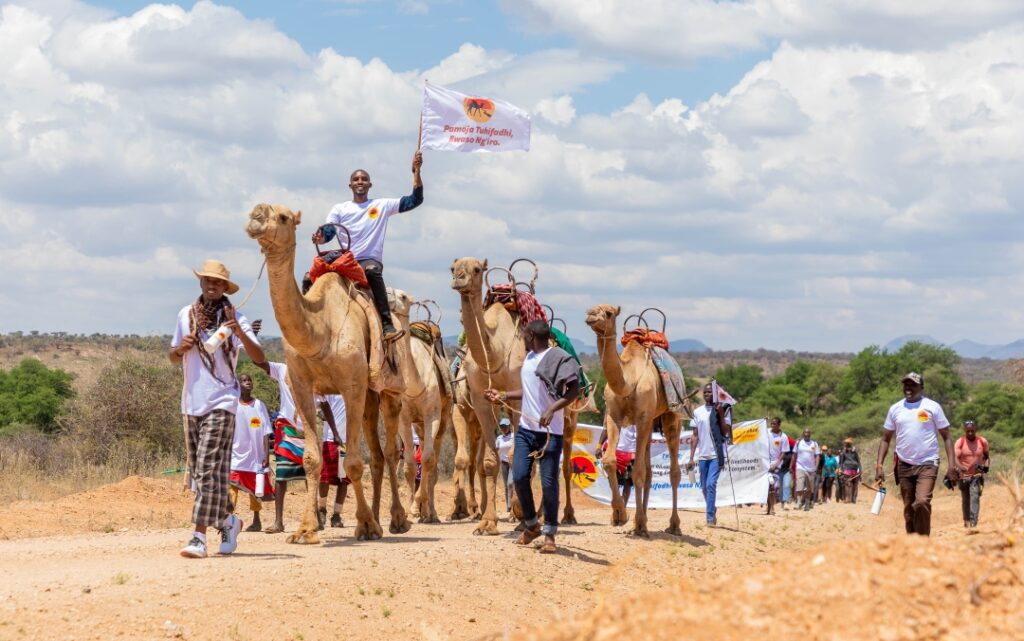
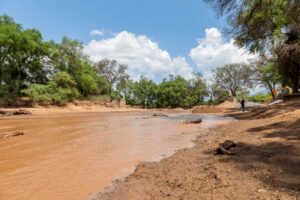
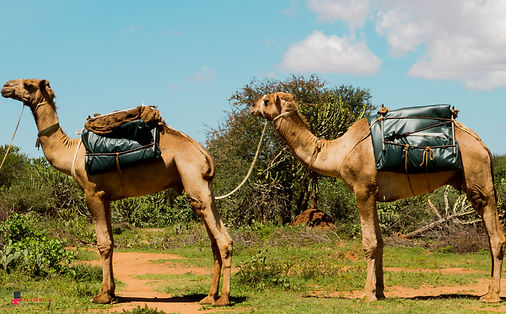
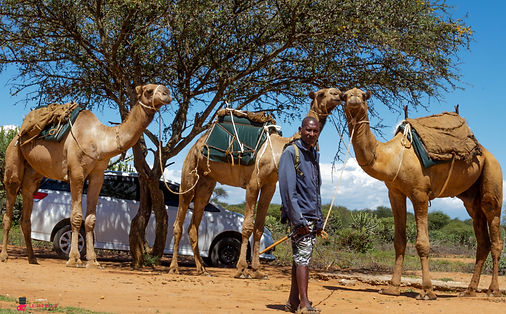
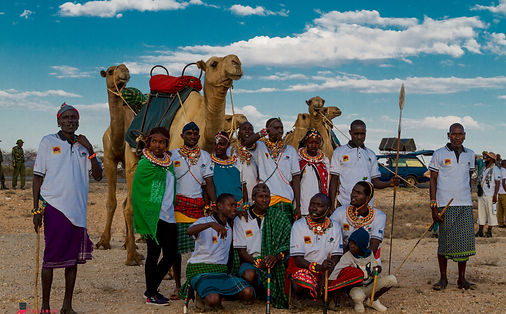
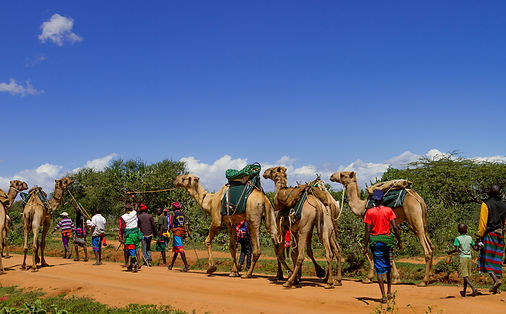
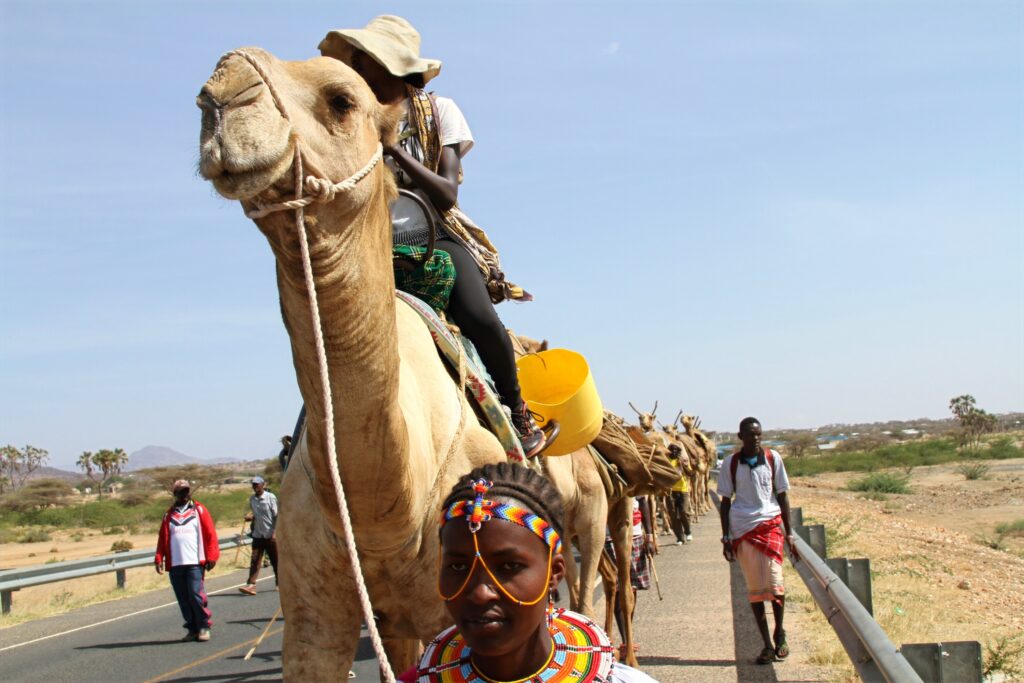
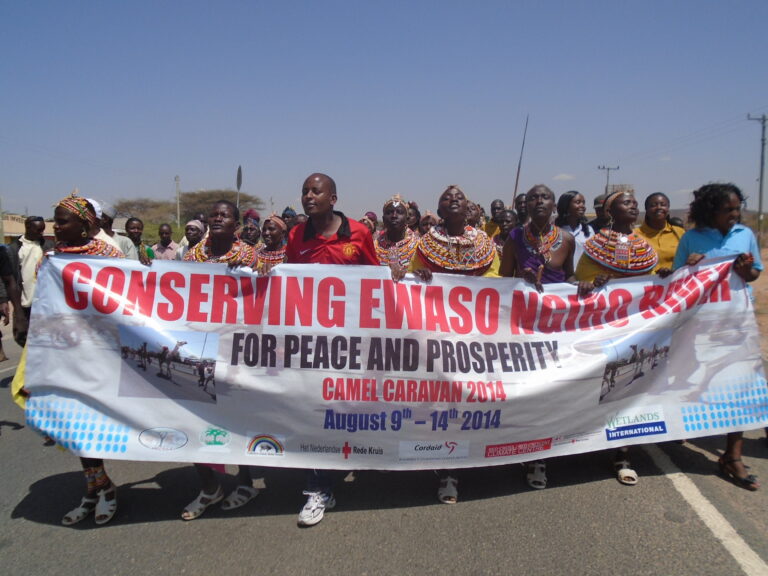
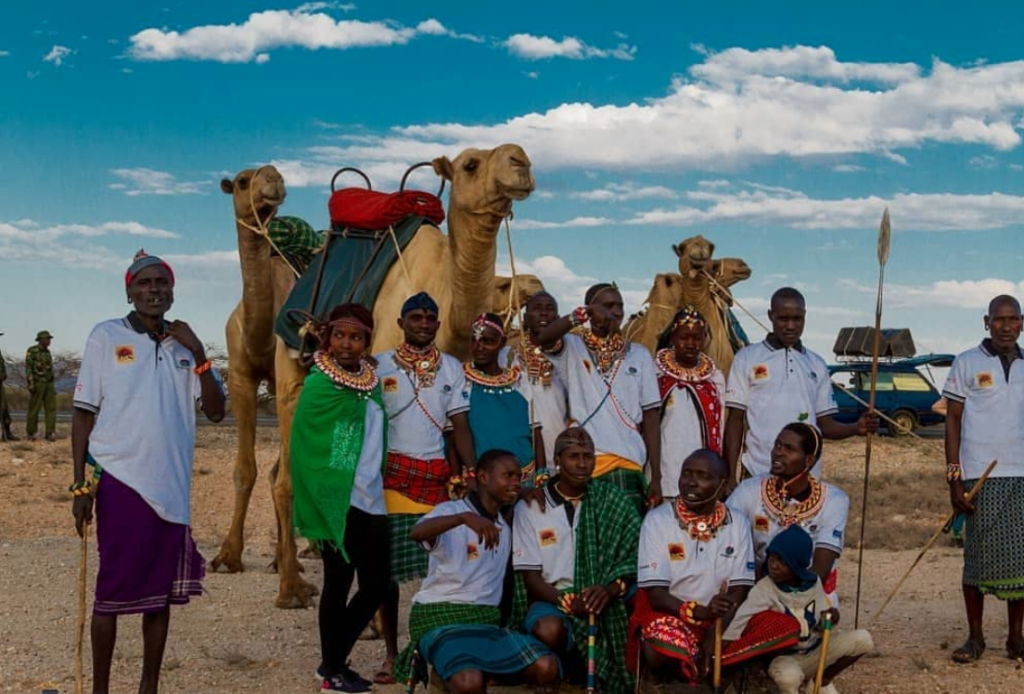
Have you ever walked 21 kilometers under a blazing Norther Kenyan sun, side by side with camels who look like they’ve been planning this journey for years? I hadn’t either—until I  participated in the Camel Caravan in Isiolo County from August 6th to 9th 2024 the year of our lord. What followed was a whirlwind of laughter, learning, and leg cramps (don’t worry, I survived). Here’s the scoop on this unforgettable adventure!

 Day 1: Into the Heart of the Ewaso Nyiro Basin

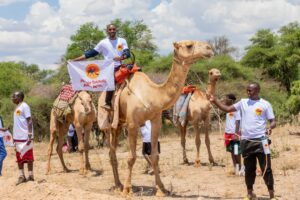
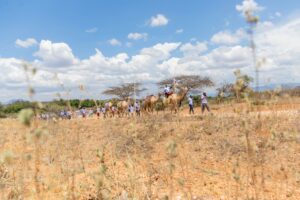
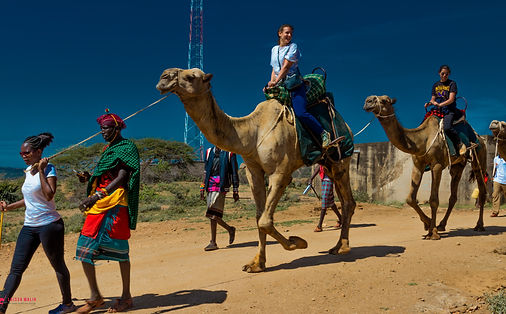
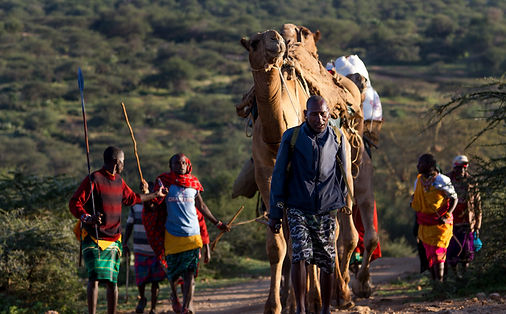
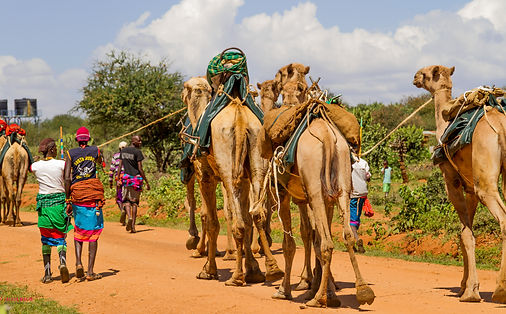
The journey began at Ngare ndare River, where 246 of us gathered—elders, women, youth, and some very nonchalant camels. Decked out in colorful shukas, we set off toward Kipsing town, 21 kilometers away.

The trek wasn’t just a stroll; it was a living testament to resilience. The sun was relentless, but so were we. Along the way, elders shared stories about the river’s history, youth cracked jokes about who would reach the finish line first, and the camels? They maintained their cool, chewing cud as if to say, “What’s the big deal?”

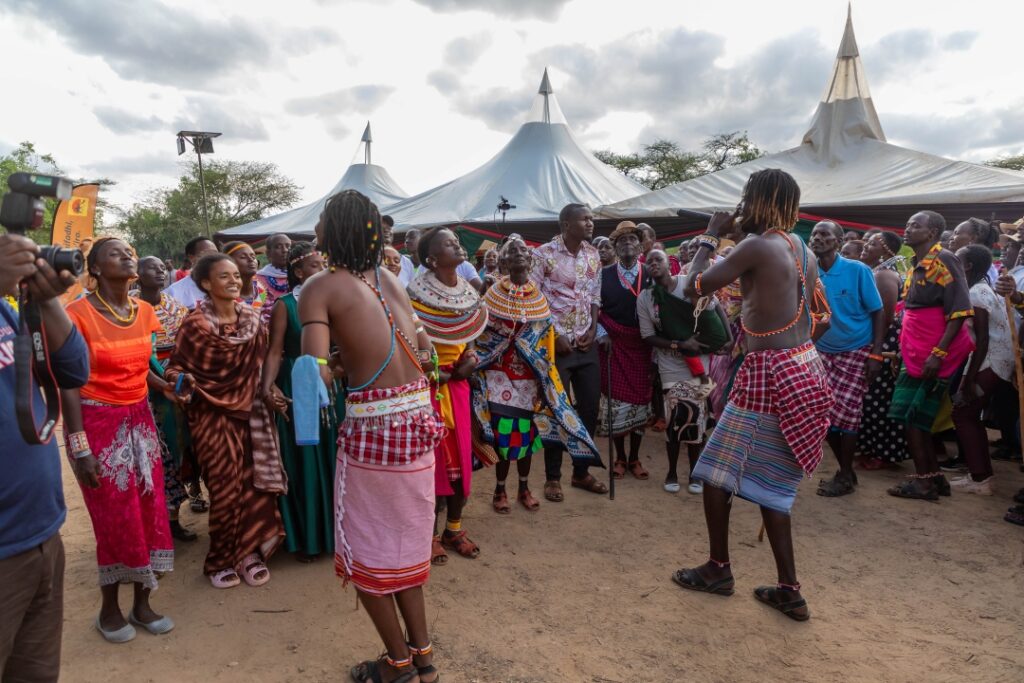
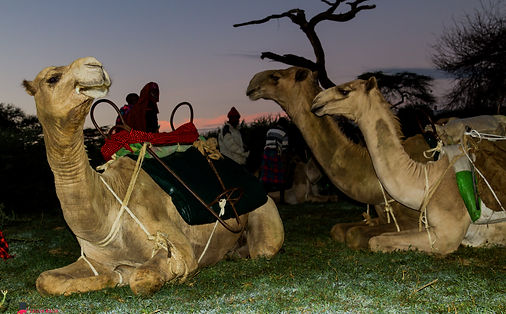
When we finally arrived at Kipsing, the celebrations erupted. Traditional dances, reenergizing music, and the aroma of freshly cooked meals made the air electric. Exhaustion melted away as we feasted and danced under the stars.

Day 2: A Feast for the Ages

The second day was all about food—glorious, mouthwatering, traditional food. Each community brought their A-game, showcasing dishes prepared with love and expertise passed down through generations. Goats were the stars of the show, and their preparation was an art form.

Elders received the most tender cuts as a sign of respect, while women and youth worked magic in the cooking pots. There was nyirinyiri, a dried meat delicacy; mnono, a slow-cooked masterpiece; and even lessons on indigenous herbs. Sharing these dishes wasn’t just about eating—it was about connecting, celebrating, and honoring the land that provides for us.

Day 3: Brainstorming Under Acacia Trees

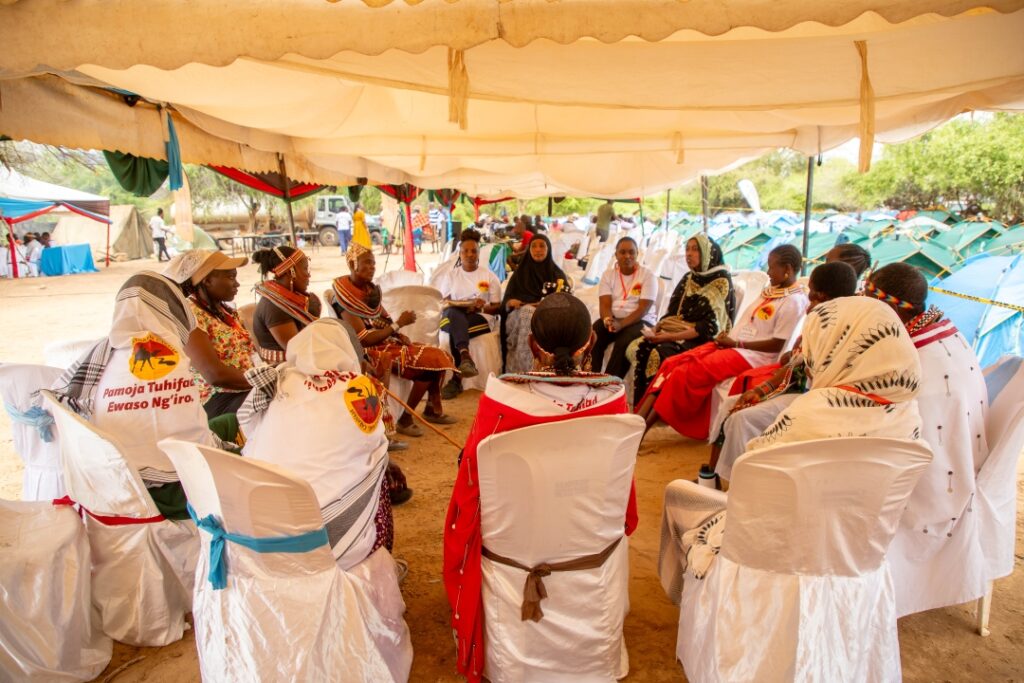
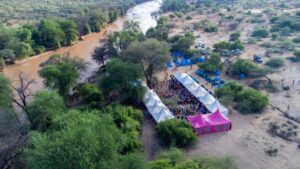
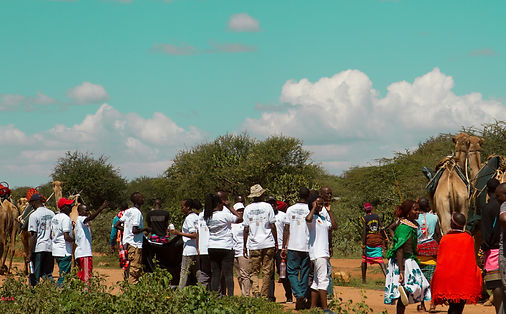
The third day took on a more thoughtful tone, but that didn’t mean it was short on energy or passion. Under the generous shade of acacia trees, we divided into groups—elders, youth, women, and Water Resource Users Associations (WRUAs)—ready to take on the big questions surrounding peace, conservation, and the future of our beloved Ewaso Nyiro River.

Each group brought their unique perspective to the table. Elders, with their decades of wisdom, shared insights on inter-community harmony and resource stewardship. The youth, buzzing with creativity, proposed ideas that blended tradition and modernity, while women championed the integration of Indigenous knowledge into conservation strategies. WRUAs, our guardians of water, presented practical approaches to protect the river and its catchment areas.

Together, we explored challenges and celebrated successes, crafting recommendations that were not only actionable but brimming with hope. By the end of the day, solutions and smiles were flowing as freely as the river we all came to protect.

Day 4: Farewells and Fresh Dreams

The final day was a mix of bittersweet goodbyes and hopeful beginnings. Traditional songs echoed across the riverbank, camels trotted gracefully, and participants promised to carry the caravan’s spirit back to their communities.

As I packed my dusty shoes and waved goodbye to my new friends (both human and camel), I felt a deep sense of gratitude. This wasn’t just an event; it was a movement—a celebration of culture, a call for conservation, and a testament to the power of unity.

Why It Matters

The Camel Caravan 2024 wasn’t about camels (okay, maybe a little) or just walking; it was about people. It was about preserving traditions, protecting the environment, and building bridges—between communities, generations, and even species.

So here’s to the Ewaso Nyiro River and the resilient spirits it nurtures. May the caravan keep moving, and may its impact ripple far and wide. And next year? I might just challenge a camel to a race. Wish me luck—I’ll need it!

Ewaso Nyiro Camel Caravan 2024: Shaping Our Future Together.

Dates: August 6th – 9th, 2024
Location: Kipsing, Isiolo County
Theme: “Shaping our vision on cultural heritage, pastoral livelihoods, and biodiversity along the Ewaso Nyiro North River Ecosystem.”

As the sun rises over the vast landscapes of Northern Kenya, a transformative journey is set to unfold. The Ewaso Nyiro Camel Caravan, a unique and iconic event, returns this year with a powerful mission: to unite communities, celebrate our rich cultural heritage, and forge a path toward sustainable management of the Ewaso Nyiro North River Ecosystem.

Since its inception in 2013, the Camel Caravan has been more than just a symbolic trek. It’s a movement that brings together diverse communities, government agencies, conservationists, and stakeholders to address the pressing challenges facing this vital ecosystem. From water scarcity to biodiversity loss, the Ewaso Nyiro Basin, a lifeline for millions, is under threat. But through collective action, we believe we can safeguard its future.

Why This Year’s Caravan Matters

This year’s event is particularly special as we move away from the traditional daily caravan walk to a more symbolic walk on the first day only. This gives more time for reflections on what went well over the past years and gives more time for expressions on what a healthy Ewaso Ngiro ecosystem looks like, and further charter a clear roadmap/call to action of the best ways to tackle the challenges facing the ecosystem. Over the course of four days, participants from at least ten ethnic communities across the basin will come together in Kipsing, Isiolo County, to engage in meaningful dialogue, celebrate cultural diversity, and craft a shared vision for the future of the Ewaso Nyiro ecosystem.

Each day of the Caravan is packed with activities designed to inspire and empower:

  • Day 1: The journey begins as participants travel to the event location, where the caravan’s symbolic camel walk highlights resilience and unity among communities.
  • Day 2: A vibrant Food Festival, Art, and Culture Day will showcase indigenous food systems, traditional arts, and the rich cultural heritage of the region, fostering mutual appreciation and knowledge sharing.
  • Day 3: Community Dialogue Sessions will bring together different social groups—morans, elders, women, and men—to discuss shared experiences, challenges, and aspirations, all aimed at shaping a collective vision for the ecosystem.
  • Day 4: The grand finale will mark the celebration of the International Day of Indigenous Peoples. A Call to Action will be presented to key stakeholders, including communities, the government, the private sector, and conservation organizations, urging them to commit to sustainable practices and equitable resource sharing.

Join Us in Shaping the Future

The Ewaso Nyiro Camel Caravan is more than an event; it’s a call to action. By aligning with international frameworks like the Sustainable Development Goals (SDGs), the UN Decade on Ecosystem Restoration, and Kenya Vision 2030, we are committed to fostering a resilient and inclusive future for the communities and ecosystems that depend on the Ewaso Nyiro River.

As we count down the days to this year’s Caravan, we invite you to be part of this transformative journey. Whether you’re a community member, a conservationist, or a supporter of sustainable development, your participation and support are crucial.

Together, we can ensure that the Ewaso Nyiro North River continues to be a source of life, culture, and resilience for generations to come.

Stay Connected

Follow our updates on social media, and don’t miss the latest news and stories from the Caravan. Together, we’re stronger—together, we can make a difference.

#CamelCaravan2024 #EwasoNyiro #IndigenousPeoplesDay #SustainableFuture #CollectiveAction


Alliance for Indigenous Peoples and Local Communities (IP&LCs) for Conservation in Africa (AICA) Congress 2023

Alliance for Indigenous Peoples and Local Communities (IP&LCs) for Conservation in Africa (AICA) Congress 2023

25th to 27th October 2023

The first ever Alliance for Indigenous Peoples and Local Communities (IP&LCs) for Conservation in Africa (AICA) Congress  aims to prioritize the engagement of Africa’s Indigenous People and Local Communities (IPLCs) in policy arenas relevant to their land, territories and conservation. It focuses on four interlocking priority areas, which include establishing and operationalizing a Pan-African IPLC body, advocating for IPLCs’ rights and representation, putting people at the center of conservation efforts, and promoting inclusive governance and the economic value of conserved areas for IPLCs.


The congress thematic areas are aligned with the Alliance’s four interlocking priority areas: Establishment and operationalization of a Pan-African IPLC body, Advocacy, Campaigns and Strategic Engagement, putting people at the center of conservation, and promoting inclusive governance and mobilizing the economic value of conserved areas for IPLCs.

The congress aims to convene around 300 participants drawn from grassroots communities, Indigenous Peoples Organization leaders, Development Partners, Conservation NGOs/ CSOs, African Governments and other important actors in conservation in Africa.

The event will help define a roadmap for the emerging Alliance for Indigenous Peoples and Local Communities for Conservation in Africa for the next five years.


The Indigenous Peoples’ and Local Communities’ Conservation Congress in Namibia is co-hosted by RRI and the Alliance for Indigenous Peoples and Local Communities for Conservation in Africa (AICA), in collaboration with Southern Africa’s Community Leaders Network (CLN); the Indigenous Movement for Peace Advancement and Conflict Transformation (IMPACT); and the Namibian Association of Community Based Natural Resource Management Support Organizations (NACSO).The event seeks to articulate a rights-based, people-centered conservation strategy for the continent and promote inclusive, equitable, and rights-based governance and conservation in Africa.Indigenous and local community leaders, conservation organizations, government officials, and donors from over 41 countries will share their lived experiences, lessons and challenges around community-led conservation approaches.

See the daily proceedings at:

https://communitylandsummit.org/

Together, we make an impact.

Stand in solidarity with Indigenous peoples for land rights, sustainable livelihoods, and cultural preservation.

Camel Caravan

Camel Caravan

Background

In the past few years, the socio-economic circumstances of pastoralists in the North of Kenya have seen a steady decline. The decreasing water levels in the wider Ewaso Ng’iro Catchment have continued to be a source of conflict, displacement, and loss of livelihoods. Water volume has recorded a steady decline and has also, at times, dried up completely. Competition for access to this water has resulted in bloody conflicts amongst herders. The unregulated extraction of water by the farming community upstream has contributed largely to the drying up of the river.

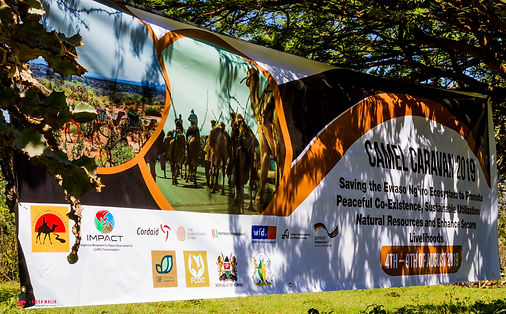
IMPACT has, since 2013, been conducting the Camel Caravan to try and assist the communities in the area and create awareness for their plight. The Camel caravan has been successful in encouraging the government and other stakeholders to come together with the aim of addressing the pressing water challenges and conflict connected with it.

The Ewaso Nyiro Camel Caravan is held every year and includes a five-day trek along the Ewaso Nyiro Ecosystem. Participants interact with local communities promoting coexistence and equitable sharing of scarce resources. The theme of the Camel Caravan 2019 was ‘Saving Ewaso Ngiro-Promoting Cohesion and Securing Livelihoods of Communities in the Ewaso Ecosystem’. 

Objectives

The purpose of this yearly activity is to:

  • Create awareness on the importance of conserving water catchment areas.

  • Create a platform for indigenous communities to interact and embrace cultural diversity.

  • Bring together different stakeholders and other government policymakers.

  • Identify peace strategies that will help in the mitigation of conflicts among the pastoralist communities.

  • For more info Download Camel Caravan PDF

Together, we make an impact.

Stand in solidarity with Indigenous peoples for land rights, sustainable livelihoods, and cultural preservation.

Camel Caravan

Last year IMPACT in collaboration with other development partners convened the first ever Community Land Summit which brought together the voices of communities from 24 counties with undissolved communal lands as identified by the Ministry of Lands and Physical Planning.The CLS also brought together government actors and other stakeholders to discuss on the community land registration processes five years after the enactment of the CLA 2016.

This is where it was decided that the Community Land Summit will be a premiere global land event that brings together all stakeholders to advocate and champion for communities to amplify their voices,share experiences, and take practical actions that ensure the rights of communities and indigenous peoples are protected

The 2nd edition of the Community Land Summit was held last week this time cutting across Africa.The event dubbed “The East African Indigenous Peoples’ Land Summit 2022” was co-convened by IMPACT Kenya and PARAN Alliance in collaboration with other partners. The Summit was held under the theme: Amplifying Collective Voices of Indigenous Peoples through Inclusive Dialogues and Learning to Enhance Land Rights for Livelihoods and Conservation in East Africa. The Summit built on the success of the first Community Land Summit held in December 2021 in Nanyuki Town, Kenya.

This year’s the Summit brought together Indigenous Peoples; pastoralist and hunter-gatherer communities from Eastern Africa (Tanzania, Kenya, Uganda, Ethiopia, DRC, Rwanda and Burundi) to share and learn from each other on current issues affecting them, directly engage policy makers from governments, regional and sub-regional governmental organizations including AU, RECs, CSOs, the private sector and other actors; and together forge the way forward towards addressing those challenges. Over 300 IP community delegates from East Africa, high level representatives from the Africa Union, Regional economic communities, National and County Governments, Development actors, Civil Society Organizations (CSOs), Private sector, researchers and the academia attended. The summit adopted inclusive and consultative dialogues, cultural exchanges, discussions, plenary and other innovative approaches that ensured effective engagement of all participants.

As a result of this Summit, a communique and report summarizing the discussions, propositions, and recommendations for action to enhance land rights for livelihoods and conservation in East Africa were developed.Click the link below to download the copies.

For more info:

https://communitylandsummit.org/

Together, we make an impact.

Stand in solidarity with Indigenous Peoples for land rights, sustainable livelihoods, and cultural preservation.

African Protected Areas Congress (APAC) 2022

African Protected Areas Congress (APAC) 2022

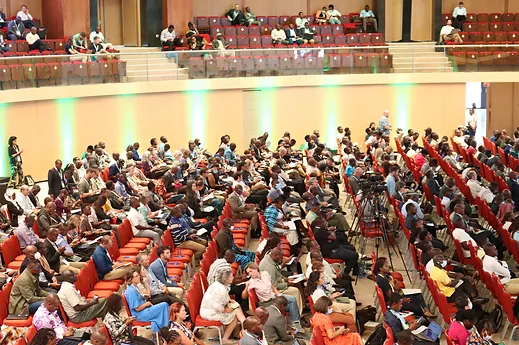
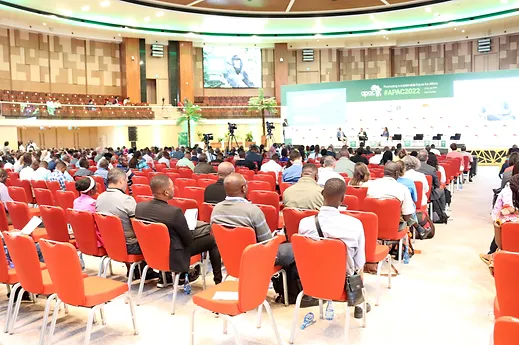
The African Protected Areas Congress (APAC) that took place from 17-23rd July 2022 in Kigali, Rwanda, being deliberated by the IUCN was the first one ever organized targeting the whole of Africa.

The APAC congress placed the African protected and conserved areas within the broader goals of economic development and community well-being and increasing the understanding of the crucial roles of the African protected areas in the conservation of biodiversity and delivering ecosystem services that underpin human welfare and livelihoods.

The Congress advanced an ambitious agenda that inspired sustainable solutions for today’s most pressing conservation and livelihood challenges in Africa. It brought together African leaders including heads of states, ministers and government agencies, citizens, political and community leaders, protected area practitioners, professionals from diverse fields, scholars, researchers, the youth, partners and stakeholders from public and private sectors and interested parties from across the continent – they discussed how to protect Africa’s resources, and to develop a strong and united voice in the management of protected areas, biodiversity conservation, sustainable development while conserving Africans cultural heritage and traditions.

​The African conservation agenda was expected to review Africa’s overall progress towards implementing global commitments related to conservation as well as discuss challenges related to biodiversity and showcase inspiring African examples of sustainable solutions that harmonize conservation and human development goals.

Over 2000 delegates from every African country forged partnerships and commitments to help secure a sustainable future for Africa’s protected areas, people and biodiversity. Participants identified key issues and challenges, and showcased inspiring African examples of practical, innovative, sustainable and replicable solutions that harmonize conservation and human development goals. They also developed priorities and strategies on issues of common interest and provided a consolidated African input into the development of the Post-2020 Global Biodiversity Framework. The forum reported on the progress made in implementing relevant regional and global commitments and identified new steps and alliances to address Africa’s unique challenges.

Our CEO Mr. Mali Ole Kaunga was one of the main panelists, he presented a theme on “Strengthening Inclusive & just conservation of land & other natural resources in Northern Kenya by facilitating solutions tailored to the context, conceived & run by Indigenous People”. This seeks to strengthen & sustain values that embody inclusive conservation through networking for mutually beneficial learning, sharing & empowerment. Inclusive conservation initiatives depend on the strength of the communities themselves.

IMPACT Kenya and ICCA will also hosted side events during the APAC to discuss issues such as:

  • Pathway to inclusive and Just conservation
  • Securing Indigenous Peoples’ tenure rights towards sustainable biodiversity
  • Resource mobilization and Indigenous peoples’ role in accountability and mechanisms of the resources

APAC Nairobi Preparatory

The indigenous peoples’ and local communities’ experiences with conservation are of mixed responses with a considerable number indicating that conservation is a means of losing customary tenure rights and natural resources rights, displacement and disconnecting from ancestral territories and a trail of human rights abuses among other concerns. Indigenous Peoples’ organizations founded and led by well-known leaders are joining efforts to ensure that indigenous peoples concern, voices and issues are at the APAC.

The organizations include the Indigenous Movement for Peace Advancement and Conflict Transformation (IMPACT- Kenya), Pastoralists Alliance for Resilience and Adaptation in North Rangelands (PARAN- Kenya), Pastoralists Indigenous Non-Government Organizations’ Forum (PINGOs Forum -Tanzania), Ujamaa Community Resource Team (UCRT -Tanzania), Pastoralists Women’s Council, Indigenous Information Network, Pastoralists Forum of Ethiopia (PTE), Indigenous Peoples of Africa Coordinating Committee (IPACC), OPDP (Ogiek Peoples Development Program), Association of Indigenous Women and Peoples of Chad (AFPAT), Friends of Lake Turkana(Fault), the Network of Indigenous Peoples and Local Communities for the Sustainable Management of Forest Ecosystems (REPALEF – DRC), Strong Roots – Congo, the African Indigenous women Organization (AIWO) and others.

IMPACT-Kenya is coordinating organizations from East Africa under a platform for common interest called ARISE-C (Alliance for Rights, Inclusivity and Social Equity in Conservation) which is at a formative stage initiated by IMPACT under its Inclusive and Just conservation initiative conceptualized in 2021 to attend the APAC.

A consultative workshop with like-minded organizations (APAC preparatory meeting) is planned on 15th and 16th June 2022 in Nairobi, it will define its approach, principles, and mode of work including governance structures that seeks to ensure the indigenous peoples’ livelihoods and territories are recognized and respected, as well as their cultural, knowledge and heritage contribution in solving climate change risks, conservation and biodiversity restoration.

The Nairobi IPLCs pre-paratory meeting was a success with the participants coming up with a declaration to be presented at the pre-congress in Kigali,Rwanda ahead of the APAC.

IPLCs Kigali Pre-Congress

Another IPLCs workshop was organized by IMPACT together with the ICCA Consortium (Kigali pre-congress) on the16th and17th of July in Kigali, ahead of the IUCN Africa Protected Areas Congress in Kigali,Rwanda;

to shine a spotlight on how Indigenous Peoples and local communities are conserving a significant proportion of the world’s biodiversity and nature through their self-determined cultures, ways of life and governance systems; to discuss experiences, challenges, opportunities, and recommendations for appropriate recognition and support for the communities’ self-determined priorities for their collective lands, waters, and territories; to discuss strategies for advancing the movements for conservation justice and collective land, territorial, and tenure and resource rights in the context of nature conservation including the proposed 30×30 target; and to support Indigenous and community representatives to prepare for participation in the main IUCN Congress.

The larger group of IPLCs came up with one declaration (see attached below) to be presented at the main African Protected Areas Congress.

Partners

Collaborators

IMPACT—Indigenous Movement for Peace Advancement and Conflict Transformation

Together, we make an impact.

Stand in solidarity with Indigenous peoples for land rights, sustainable livelihoods, and cultural preservation.

Community Land Summit 2023

Community Land Summit 2023

It is estimated that the ASALs support about 25% of the nation’s human population and slightly over 50% of the entire livestock population. Livestock accounts for 95 % of the family income and provides employment to 95% of the Kenyan population. However, pastoralists have continued being poor and food insecure mainly due to the effects of climate change which have resulted in low livestock productivity, women and children are the most vulnerable group, and the youth who migrate to far conflict zones in such of pasture and water for livestock. It is therefore prudent to explore alternative opportunities for pastoralist communities especially the vulnerable social groups to participate in income-generating activities, this will significantly ensure women and youth identify and recognize their untapped/ undiscovered potential in land management.

Indigenous knowledge is socio-economically viable and effective, and involves minimum risk to local communities, ideally what is required is upscaling, and value addition i.e., women groups, and youth groups are involved in nature-based solutions, which is an important asset for their livelihood as well as conserving the natural resources found in the community lands. In the pastoralist setup, structural inequalities and access to land and its natural resources persist, direct access to land through ownership cuts across the different ethnic pastoralist communities, a dynamic that deepened existing inequalities in the community. Differences in access among pastoralists have been linked to existing customary practices, gendered norms, and patriarchal traditions, which lead to the exclusion of some members in the process, especially women and youths. Realizing women’s rights to access, control, and manage natural resources remains a challenge mainly because some specific roles and relationships are regulated by socio-cultural norms which could take some time to be unlocked. The Constitution of Kenya and the Community Land Act No.27 of 2016 is an important window of opportunity in this respect since it has progressive provisions for the inclusion of women in land management issues, and it requires women to be included in the land committees and community registers, however, despite clear articulation in the law it continues to experience challenges of implementation in pastoralist landscape.

Land is a major resource for the pastoralists in providing pasture and water for the livestock, additionally, it is correct to say that indigenous peoples’ relation with their land and traditional means of subsistence is basic to and primordial to culture, social organization, and language. As far as human rights are concerned, the rights to self-determination, land, and customary land tenure and use are the most important rights for Indigenous Peoples and they should be enjoyed unconditionally by all. A common trait, the vast majority of lands that are being leased out in the thirty or so African states hosting large-scale land acquisitions do not derive from the titled private land sector but the community lands majorly owned by the indigenous peoples for mega projects, conservation, climate financing, etc. and this happens without meaningful involvement of the IPLCs.

Large land investments in the Kenyan context often have far-reaching social, economic, cultural, and political consequences since they may disrupt economic and social activities, interfere with cultural practices, reduce access to resources, displace large numbers of people, and expose the vulnerabilities of certain groups such as women. Access to community lands by investors is on the rise, several communities have existing contracts with investors others are negotiating for investments, this highlights the need for continuous legal education with the pastoralist communities; the Community Land Act of 2016 is specific as to the requirements of investments, including that each request is subject to consultation and agreement with the community, and with payment of compensation and royalties, should an agreement be reached and in addition, a community may establish requirements for the investor to conserve and rehabilitate lands. It is fundamentally important to note, most of these interventions are foreign or associated with elites within communities that routinely take disproportionate advantage of profit-seeking opportunities when externally-driven commercial opportunities arise, two-thirds of the community assembly reserves the absolute power to dispose any parcel of community land.

This influenced the decision to hold the Community Land Summit 2023 co-convened by IMPACT Kenya, the County Government of Samburu and PARAN Alliance; in collaboration with other partners under a theme that focuses on Sustainable Development Goal 5: Gender equality and participation of women and youths in land ownership, natural resource management and enhancement of sustainable local economies.The 2023 Summit builds on the success of the two subsequent Community Land Summits in Kenya held in December 2021 and November 2022 in Nanyuki Town, Kenya. It will bring together indigenous peoples, pastoralist communities, hunter-gatherers, civil society organizations, county and national government, private sector, researchers and academia, and other development partners to deliberate and dialogue on current issues in indigenous peoples’ territories ranging from Land tenure rights – the status of registration of community lands in Kenya, role of women and youth in governance; Gender equality in land ownership, use and access to investments- women and youths investment opportunities in ASALs; Women and youth involvement in conservation, eco-tourism and livestock economy; Climate financing and community resilience [carbon trading] in respect to effective benefit sharing modalities; and Free Prior and Informed Consent [FPIC] in regard to investments in community lands.The conference is planned for November 14th to 17th 2023 in Maralal TVET School, Samburu County. Plenary discussions will be organized to deliberate on the above-mentioned topics with over 200 indigenous people’s community delegates actively participating in the dialogues.

For more info:

https://communitylandsummit.org

Together, we make an impact.

Stand in solidarity with Indigenous peoples for land rights, sustainable livelihoods, and cultural preservation.

East Africa Indigenous Peoples’ Land Summit 2022

East Africa Indigenous People's Land Summit 2022

Last year IMPACT in collaboration with other development partners convened the first ever Community Land Summit which brought together the voices of communities from 24 counties with undissolved communal lands as identified by the Ministry of Lands and Physical Planning.The CLS also brought together government actors and other stakeholders to discuss on the community land registration processes five years after the enactment of the CLA 2016.

This is where it was decided that the Community Land Summit will be a premiere global land event that brings together all stakeholders to advocate and champion for communities to amplify their voices,share experiences, and take practical actions that ensure the rights of communities and indigenous peoples are protected

The 2nd edition of the Community Land Summit was held last week this time cutting across Africa.The event dubbed “The East African Indigenous Peoples’ Land Summit 2022” was co-convened by IMPACT Kenya and PARAN Alliance in collaboration with other partners. The Summit was held under the theme: Amplifying Collective Voices of Indigenous Peoples through Inclusive Dialogues and Learning to Enhance Land Rights for Livelihoods and Conservation in East Africa. The Summit built on the success of the first Community Land Summit held in December 2021 in Nanyuki Town, Kenya.

This year’s the Summit brought together Indigenous Peoples; pastoralist and hunter-gatherer communities from Eastern Africa (Tanzania, Kenya, Uganda, Ethiopia, DRC, Rwanda and Burundi) to share and learn from each other on current issues affecting them, directly engage policy makers from governments, regional and sub-regional governmental organizations including AU, RECs, CSOs, the private sector and other actors; and together forge the way forward towards addressing those challenges. Over 300 IP community delegates from East Africa, high level representatives from the Africa Union, Regional economic communities, National and County Governments, Development actors, Civil Society Organizations (CSOs), Private sector, researchers and the academia attended. The summit adopted inclusive and consultative dialogues, cultural exchanges, discussions, plenary and other innovative approaches that ensured effective engagement of all participants.

As a result of this Summit, a communique and report summarizing the discussions, propositions, and recommendations for action to enhance land rights for livelihoods and conservation in East Africa were developed.Click the link below to download the copies.

For more info:

https://communitylandsummit.org/

Together, we make an impact.

Stand in solidarity with Indigenous peoples for land rights, sustainable livelihoods, and cultural preservation.

Community Land Summit 2021

Community Land Summit 2021

IMPACT Kenya, entered into a working relationship with the National Land Commission (NLC) for the purpose of monitoring land rights, development of the Free Prior and Informed Consent (FPIC) guidelines and holding of the Community Land Summit on the Community Land Act of 2016.

The Community Land Summit was convened by IMPACT, NLC, PARAN Alliance Members, Natural Justice, Kenya Land Alliance, CLAN and other key actors in the implementation of the Community Land Act, 2016 ,it brought together the voices of communities from 24 counties with undissolved communal lands as identified by the Ministry of Lands and Physical Planning. The CLS also brought together government actors and other stakeholders to discuss on the community land registration processes five years after the enactment of the CLA 2016.

The Community Land Summit will be a premiere global land event that brings together all stakeholders to advocate and champion for communities to amplify their voices, it seeks to bring together all stakeholders to share experiences, and take practical actions that ensure the rights of communities and indigenous people are protected.

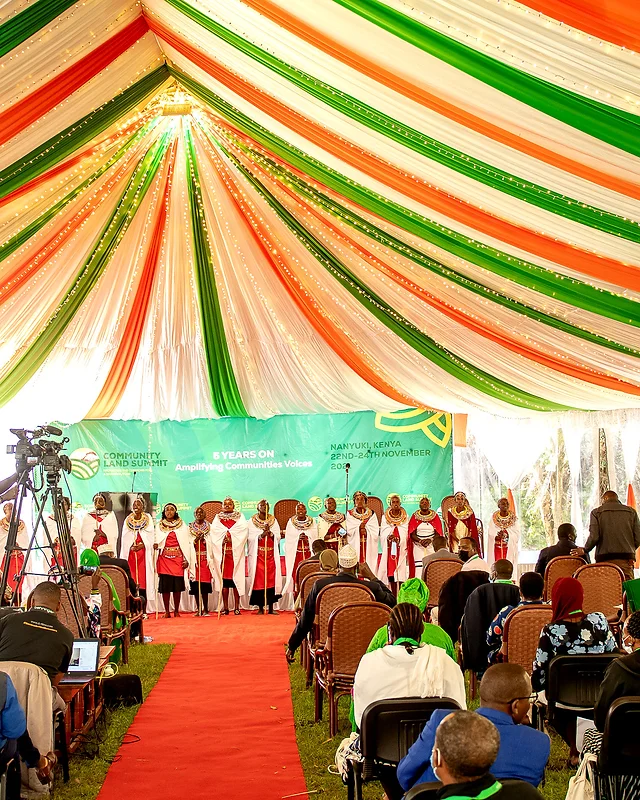
This year’s Community Land Summit was held at the Sports Arms Hotel in Nanyuki, Laikipia County from the 22nd to 24th of November 2021 and below are the outcomes.

For more info:

https://communitylandsummit.org/

Together, we make an impact.

Stand in solidarity with Indigenous peoples for land rights, sustainable livelihoods, and cultural preservation.